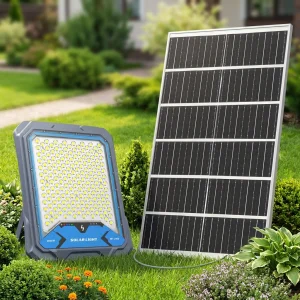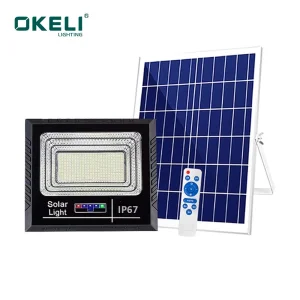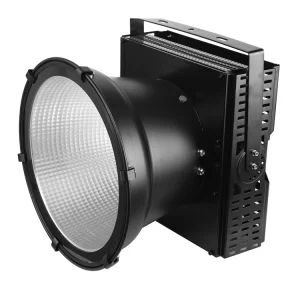
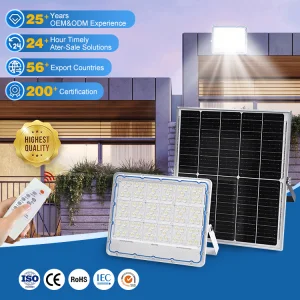
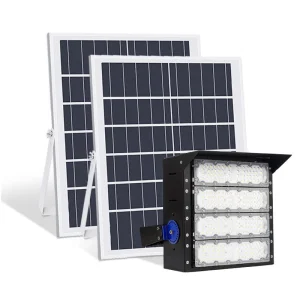
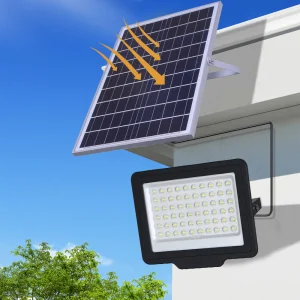
The twin-island nation of Trinidad and Tobago has historically relied on its vast natural gas and oil reserves for power generation. However, in alignment with CARICOM's regional renewable energy targets and the Paris Agreement commitments, the nation is undergoing a strategic transition toward green infrastructure. Outdoor municipal lighting, sports stadiums, cargo ports, and petrochemical refinery yards are primary targets for energy reduction. As the government aims to reduce carbon emissions and optimize local power grid distribution, the demand for off-grid Solar Stadium Flood Lights has surged dramatically.
Trinidad and Tobago possesses an abundance of solar resource potential, yet the ambient environment features extreme conditions: intense solar radiation, high humidity (averaging 80%), and constant exposure to corrosive, salt-laden marine air. Traditional HID and metal halide lighting fixtures require high current loads and suffer from rapid corrosion, resulting in steep maintenance overheads. Advanced high-lumen solar floodlights present a zero-energy operational profile that bypasses complex grid trenching, offering a resilient solution for local municipal planners, EPC contractors, and private developers.
"Transitioning sports facilities and industrial yards to solar illumination is not merely an ecological choice; it is an economic safeguard. In hurricane-prone areas, solar stadium lights ensure continuous operations even when the central utility grid fails."
Designing high mast lighting for Trinidad and Tobago requires solving three specific environmental challenges:
The Caribbean basin is subject to extreme weather systems. Standard solar stadium systems, which mount massive solar arrays on top of high mast poles, can experience immense aerodynamic drag. High wind loading is the principal failure mode for large solar installations in the region. To address this:
Due to the coastal orientation of major municipal sports facilities in Trinidad (e.g., Port of Spain, Chaguaramas) and Tobago (Scarborough), the saline atmosphere rapidly degrades standard materials. Standard outdoor lights quickly rust, causing electrical faults. Industrial solar lights for this region must feature C5-M marine-grade anti-corrosion protection, die-cast aluminum alloys (ADC12), and SUS316 stainless steel external hardware.
Tropical climates mean ambient daytime temperatures routinely exceed 32°C, which can cause internal heat build-up. Excess heat degrades typical Lithium batteries (NMC) and decreases LED luminous efficacy. To combat this, modern systems utilize Lithium Iron Phosphate (LiFePO4) chemistry paired with passive ventilation grooves and independent aluminum heat sinks, ensuring operational integrity up to 65°C.
Understanding the financial ROI of solar retrofitting is crucial for procurement teams at the Ministry of Works and Transport, local corporations, and engineering contractors. The comparison matrix below illustrates the total cost of ownership (TCO) over a 5-year operational window.
For engineering procurement, several critical parameters must be specified to ensure reliability:
Established in 2013 and situated in Foshan, Guangdong Province, China, Foshan Joliras Light Co., Ltd. is a leading OEM and ODM manufacturer of industrial solar lighting.
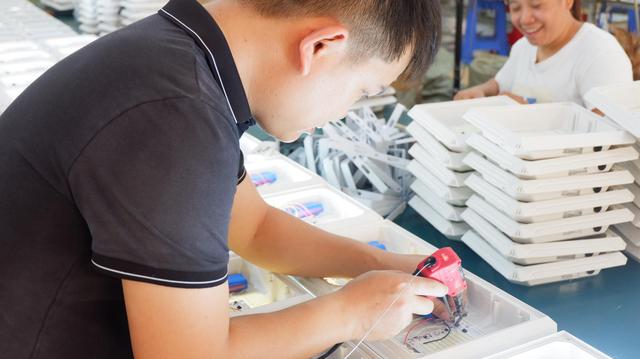
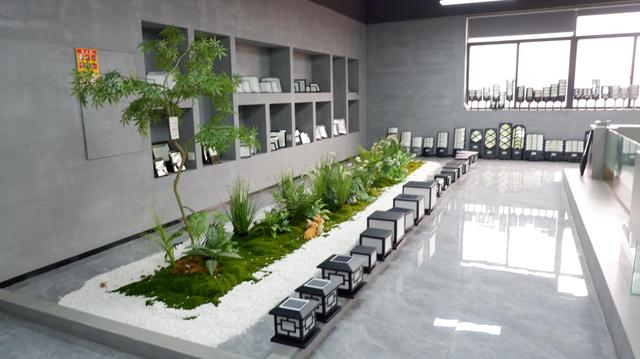
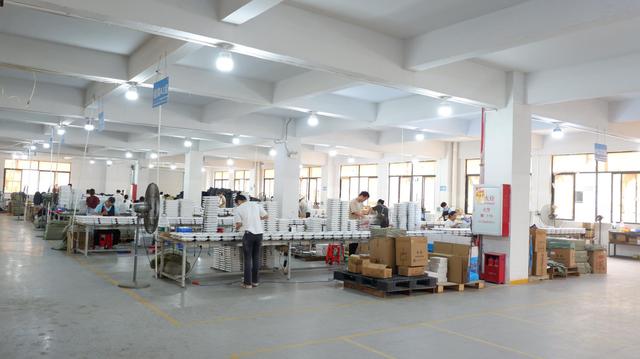
Operating from an 11,000-square-meter facility with over 160 professionals, Joliras designs and manufactures premium solar floodlights, street lights, and integrated high mast lighting systems for demanding projects worldwide.
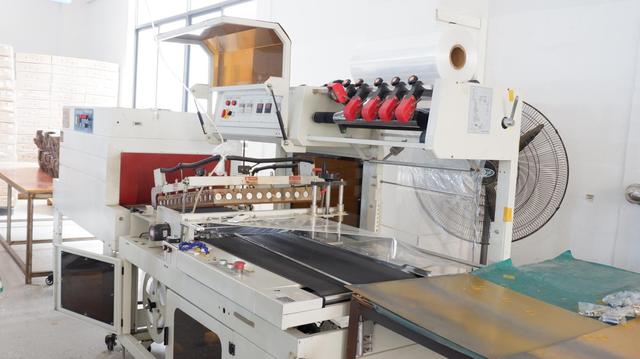
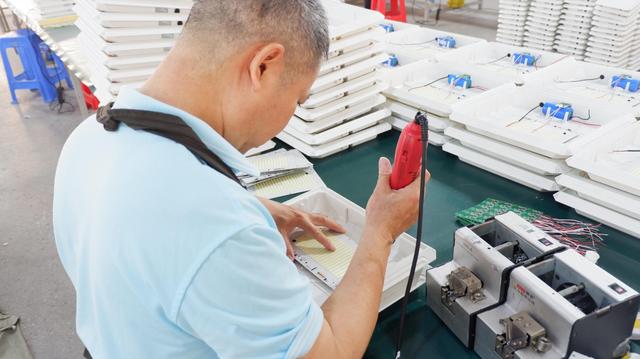
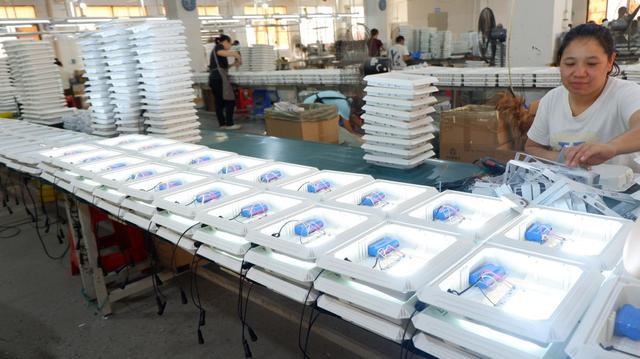
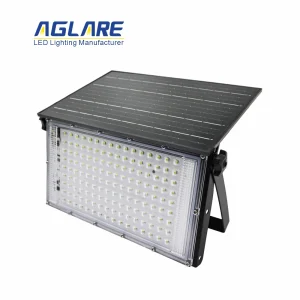
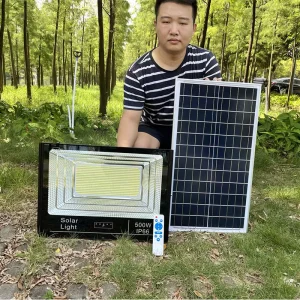
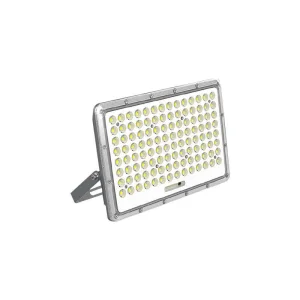
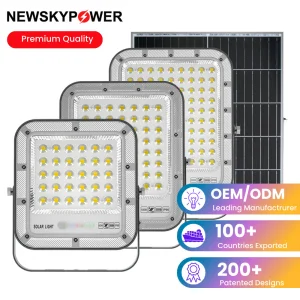
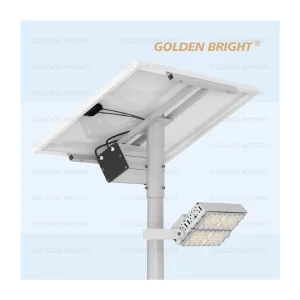
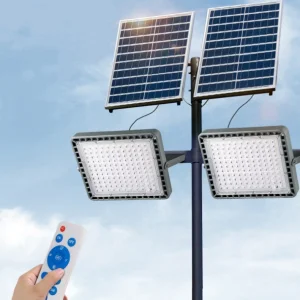
At Foshan Joliras Light Co., Ltd., we recognize that a standard, one-size-fits-all lighting fixture is insufficient for major commercial sites. We provide custom engineering services (OEM/ODM) to meet specific local design criteria, including:
Shipping heavy industrial lithium-battery solar lights requires specialized compliance documentation. Lithium batteries are classified as Class 9 Dangerous Goods under IMDG codes. Joliras manages all technical documentation and shipping requirements:
We provide UN38.3 test reports, MSDS (Material Safety Data Sheets), and Sea Transport Appraisal certificates to simplify export clearance from Guangdong ports (Shenzhen/Nansha) to the Port of Port of Spain or Point Lisas Industrial Port. We support standard shipping terms—FOB, CIF, and DDU—tailored to your project timelines.
Project Delivery Assurance: All shipments feature secure export packaging, including heavy-duty wooden crates for long-distance sea freight, ensuring all components arrive intact and ready for deployment.
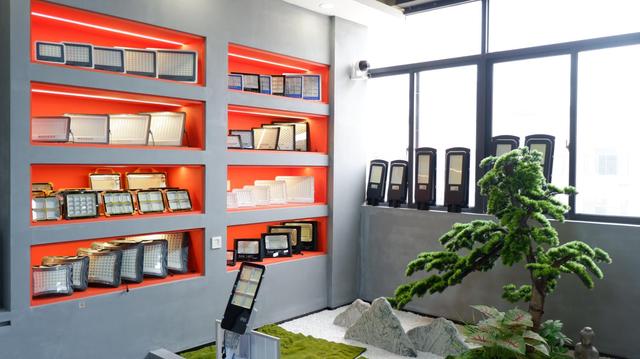
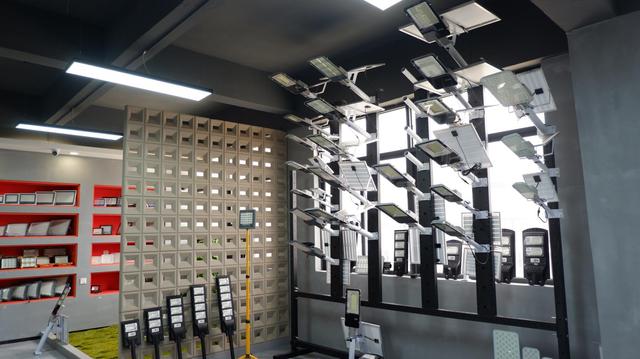
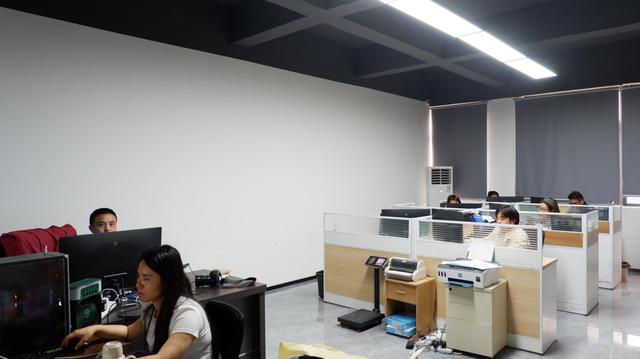
Take a look inside the Foshan Joliras manufacturing facility, featuring advanced automated assembly lines, aging test chambers, and precision optical inspection equipment.
Consult with our engineering team for customized DIALux lighting designs, technical documentation, and bulk export pricing to Trinidad and Tobago.
Send Inquiry Now Joliras Light