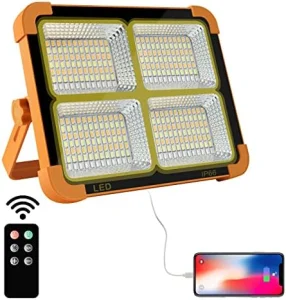
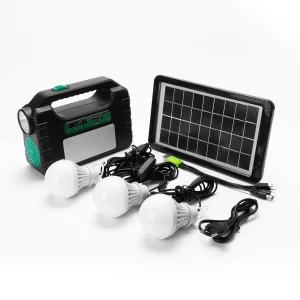
Highly durable portable and security solar systems specifically designed to handle high humidity and offshore marine operations in Bioko Island and Rio Muni provinces.
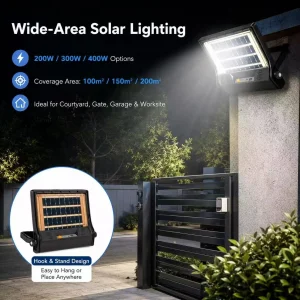
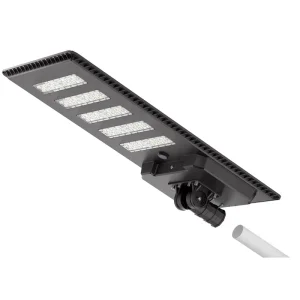
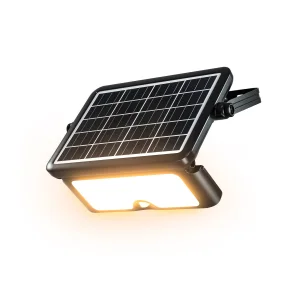
Equatorial Guinea, comprising the Rio Muni mainland and the offshore Bioko Island, presents a highly demanding landscape for electrical and municipal infrastructure. The nation's significant oil and gas production hubs around Malabo, coupled with massive logistics expansion at Luba Freeport and the major seaport of Bata, have stimulated intense industrial activity. However, reliable utility-grid electrification remains a continuous challenge in rural, coastal, and offshore operational zones.
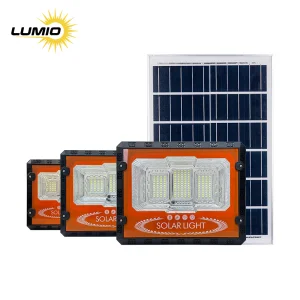
In response to these grid limitations, multinational contractors, oil-and-gas services consortiums, and local civil works agencies are shifting away from high-maintenance diesel generators toward high-output solar portable flood lights. These units require zero external cabling, completely eliminating trenching costs and diesel logistics while offering immediate deployability at temporary marine loading docks, oilfield staging areas, and road rehabilitation projects along the mainland corridors.
"The extreme tropical climate of Equatorial Guinea—characterized by near-constant humidity exceeding 85%, torrential equatorial rains, and heavy salt-spray corrosion along coastal zones—renders standard grade lighting completely ineffective. Industrial resilience is not optional; it is the fundamental baseline."
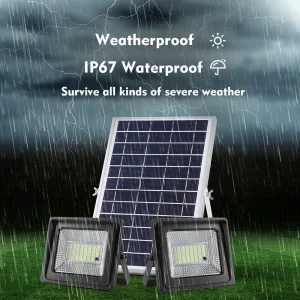
Marine environments require salt-mist and corrosion resistance. When loading logistics ships at night in the Port of Bata or Malabo, crews require portable floodlights with robust physical housings, marine-grade powder coatings, and IP66 to IP67 ingress protection. Rechargeable, solar-integrated systems allow dockworkers to quickly adjust arrays without stringing hazardous high-voltage extension lines across wet decks.
For operations extending into the dense inland forests of Rio Muni, power lines do not exist. Survey teams, geological crews, and pipeline contractors rely heavily on lightweight, foldable solar floodlights. These units must be highly mobile, fit within small utility vehicles, and charge efficiently under filtered daylight conditions typical of the equatorial canopy.
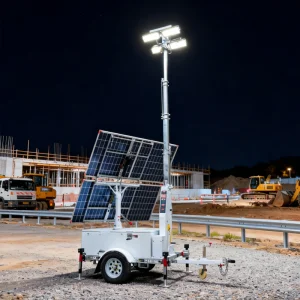
Government initiatives to improve rural access routes require fast-paced construction timelines, often demanding nighttime shift operations. Having portable solar trailer-mounted light towers or rugged multi-directional floodlight brackets allows safe working zones with zero emissions and zero sound footprint, improving worker concentration and local community comfort.
Modern global procurement departments targeting Central African deployments look closely at life-cycle costs. Traditional lead-acid batteries are obsolete due to their low cycle life and poor performance under high ambient operating temperatures. Joliras utilizes advanced Lithium Iron Phosphate (LiFePO4) cell chemistry inside all high-capacity portable solar flood lights. LiFePO4 chemistry safely tolerates ambient operating temperatures up to 60°C without risk of thermal runaway, delivering over 2,500 charging cycles at 80% Depth of Discharge (DoD), which translates to more than 7 years of daily operational service.
How Foshan Joliras Light Co., Ltd. guarantees consistent quality, strict performance validation, and reliable logistics for the Central African market.
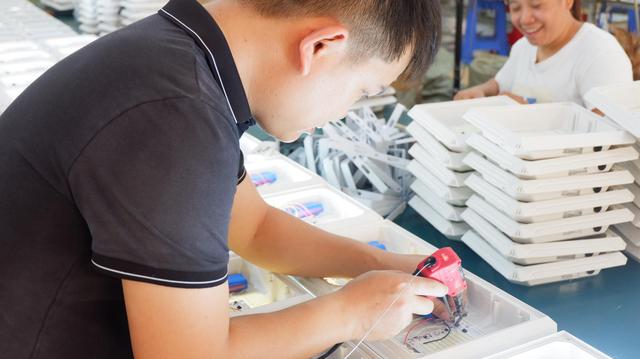
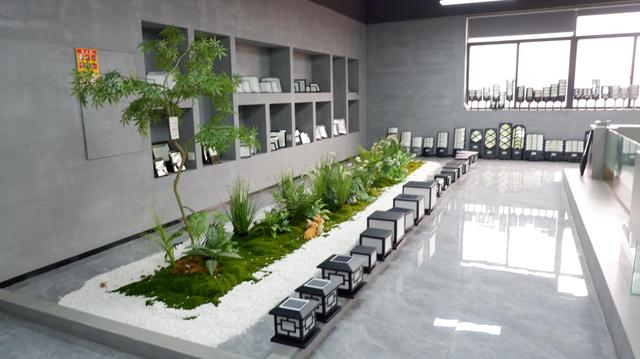
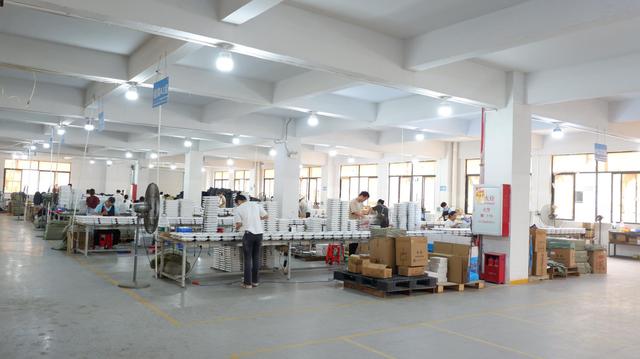
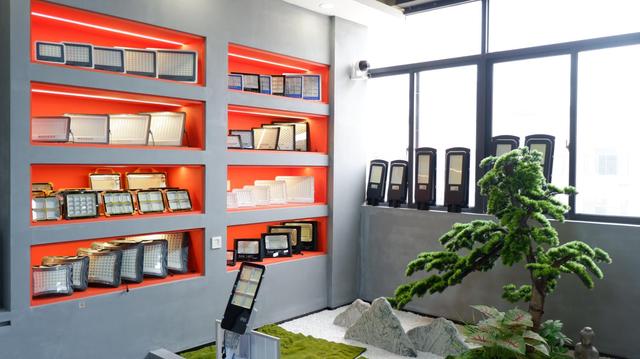
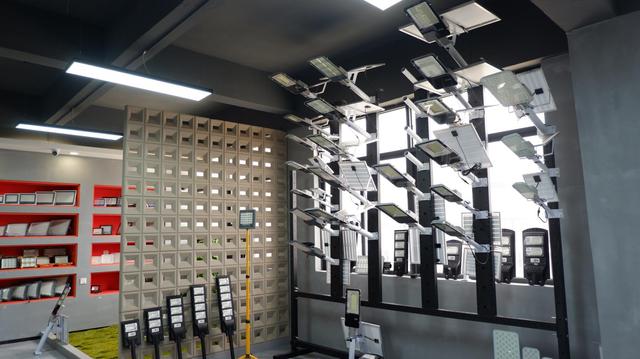
Located in the heart of Foshan, China's premiere lighting manufacturing industrial cluster, Foshan Joliras Light Co., Ltd. operates a modern 11,000 square meter production facility. Empowered by automated SMT surface-mounting lines, high-precision injection molding, automated assembly systems, and comprehensive quality-control testing complexes, Joliras ensures that every batch of solar portable flood lights complies with strict international benchmarks.
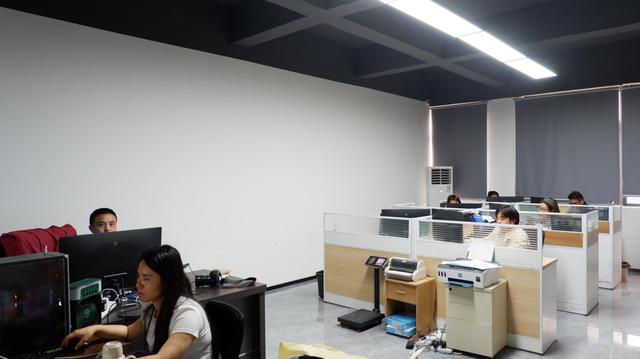
Our engineering division oversees every step of development. Through advanced integration testing—including integrating sphere spectrophotometer analysis, IP waterproof testing chambers, and extreme-temperature simulation chambers—we ensure that the photovoltaic conversion, MPPT controller software, and battery thermal management operate flawlessly before packing. This resilient manufacturing model gives our global distribution partners, contractors, and national procurement projects the ultimate peace of mind when ordering container-load quantities.
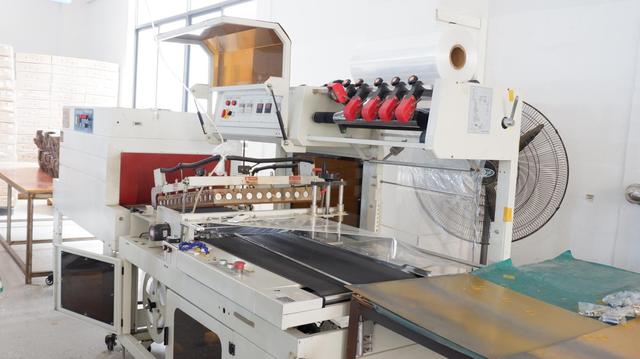
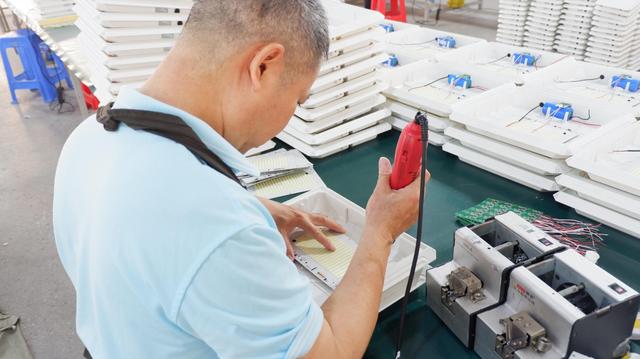
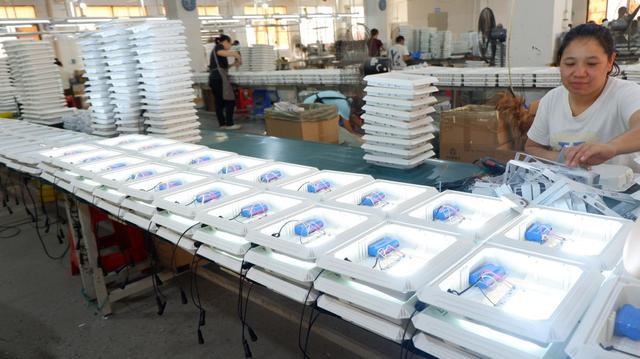
Why Joliras' solar solutions consistently outclass standard lighting units in industrial reliability and field life cycles.
Optimized Maximum Power Point Tracking (MPPT) logic allows up to 30% higher charging efficiency compared to traditional PWM controllers, converting minimal cloud-filtered sunlight during the rainy season in Malabo into stored battery energy.
Aluminum housings receive dynamic conversion coatings and structural polyester thermosetting powders, preventing white rust, paint peeling, and galvanic corrosion from maritime wind spray along Atlantic ports.
From adjusting optical beam angles (60° to 120°), customizing battery capacities, or incorporating automated photocell and PIR motion programs, we adapt systems to match precise operational project parameters.
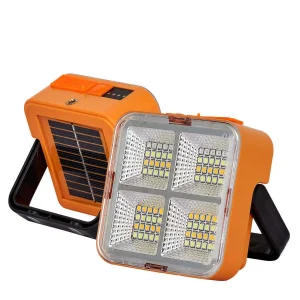
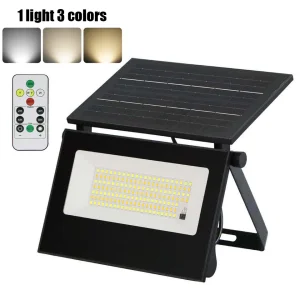
Explore our technical portfolio of industrial-grade portable floodlights, high-capacity camping work lamps, and heavy mobile trailer systems.
Critical procurement questions answered by Joliras' chief PV integration engineers.
Our solar floodlights are constructed using high-pressure die-cast aluminum alloys treated with chromate conversion undercoats, followed by high-adhesion polyester powder coatings. The gaskets are made of marine-grade silicone, sealing all wire entries to achieve IP65 to IP67 protection ratings. This prevents coastal salt-mist corrosion and internal moisture condensation.
Equatorial Guinea experiences consistently high ambient temperatures. Standard lithium batteries (like ternary NMC) can degrade rapidly or pose thermal hazards under high heat. Lithium Iron Phosphate (LiFePO4) features an exceptionally stable chemical structure that operates safely up to 60°C, delivering up to 3,000 charge-discharge cycles without severe capacity loss, ensuring years of maintenance-free operation.
Yes. We utilize premium monocrystalline silicon solar panels with a conversion efficiency rate exceeding 21%, coupled with intelligent MPPT (Maximum Power Point Tracking) controllers. This combination optimizes current absorption from diffuse skylight and cloud cover, allowing the system to charge even during overcast conditions.
As a direct manufacturer, Foshan Joliras offers full custom design services. We can adjust LED color temperatures, scale battery packs for extended run-times (up to 36 hours of continuous light), customize bracket profiles for marine or vehicle installation, adjust PIR motion sensor ranges, and offer customized logo engraving and industrial packaging.
Standard factory production leads range from 20 to 30 days depending on custom specifications. We offer FOB, CIF, or CFR shipping terms directly from Shenzhen or Guangzhou ports. We handle all export packaging, UN38.3 certification for lithium battery shipping compliance, and deliver directly to the Port of Bata or Luba Freeport/Malabo Port.
Many of our portable work light models feature dual charging capabilities. In addition to their integrated solar panels, they include USB or DC input ports that allow fast charging from standard AC grids or mobile generator networks before deployment to off-grid field sites.
Are you a contractor, distributor, or procurement officer sourcing heavy-duty, off-grid lighting for operations in Equatorial Guinea or Central Africa? Get in touch with Foshan Joliras today for technical datasheets, factory-direct pricing, and customization options.
Send Inquiry Now Joliras Light