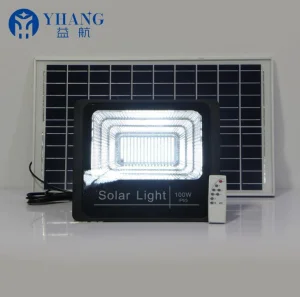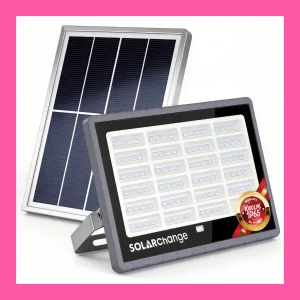
The global outdoor lighting sector is undergoing a paradigm shift. Traditional grid-tied security systems are rapidly giving way to autonomous, intelligent, and highly durable solar-powered spotlight arrays. Driven by aggressive municipal decarbonization mandates, the rising cost of grid infrastructure expansion, and a crucial need for zero-failure surveillance support, commercial properties and industrial operators now evaluate security luminaires through a strict engineering lens.
Modern solar security spotlights are no longer mere "motion lights." They represent a sophisticated convergence of photovoltaic energy conversion, high-density energy storage, and AI-enabled edge-computing controls. These advancements allow luminaires to adapt dynamically to varying climatic conditions, preserve battery cycles, and maintain reliable illumination outputs even during extended monsoon seasons or high-latitude winters.
Transitioning from simple Pulse Width Modulation (PWM) to Maximum Power Point Tracking (MPPT) allows systems to extract up to 30% more energy from solar panels under overcast conditions, ensuring uninterrupted performance.
Advanced motion detection integrated with 1080P/4K optical sensors enables real-time edge analytics. Spotlights selectively increase lumen output upon human detection while ignoring wind-borne debris.
Adopting Lithium Iron Phosphate (LiFePO4) chemistries over standard ternary lithium extends battery service life up to 3,000+ deep cycles, operating safely within thermal envelopes from -20°C to 65°C.
B2B procurement professionals, EPC contractors, and international solar lighting distributors look far beyond price lists. For large-scale infrastructure deployments, industrial yards, and municipal installations, the critical metric is the Levelized Cost of Light (LCOL) and long-term operating durability. Global sourcing teams focus on a rigid matrix of technical verification parameters:
| Evaluation Parameter | Technical Benchmark Range | Operational Purpose |
|---|---|---|
| PV Conversion Efficiency | ≥ 21.5% (Monocrystalline Silicon) | Maximizes charge collection in minimal footprints, crucial for high-intensity commercial lights. |
| Battery Cycle Life (DoD) | > 2500 cycles at 80% Depth of Discharge | Guarantees over 5 to 8 years of operational lifetime without costly cell replacement cycles. |
| Ingress & Impact Ratings | IP65, IP66 to IP67 / IK08 to IK10 | Protects internal circuitry from high-pressure water jets, monsoons, duststorms, and physical vandalism. |
| System Luminous Efficacy | 160 lm/W to 210 lm/W | Ensures high-brightness performance with reduced energy drain, allowing smaller battery packages. |
| BMS Protection Protocols | Over-charge, over-discharge, thermal-runaway | Prevents catastrophic cell damage, extending system reliability across fluctuating climates. |
Enterprise buyers require robust compliance. Every shipment destined for North American or European Union ports must conform to CE, FCC, RoHS, and CB certifications. For industrial zones and highways, structural wind-load certifications (up to 160 km/h) and anti-corrosion marine-grade finishes are mandatory, ensuring components survive continuous exposure to harsh elements.
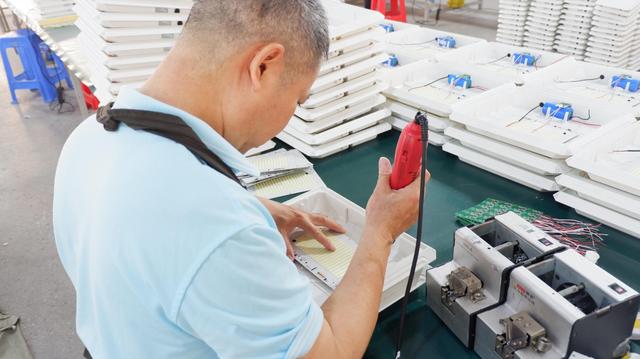
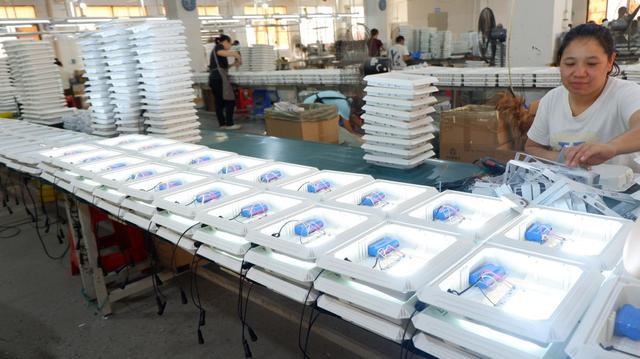
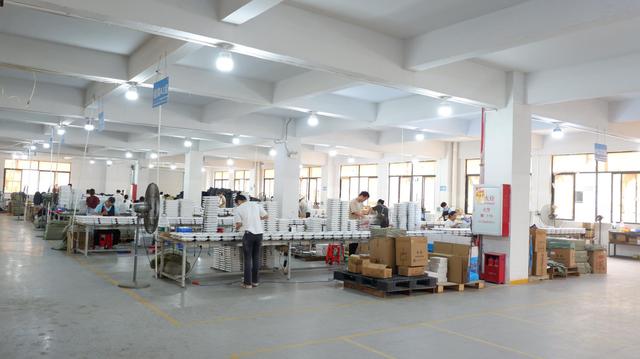
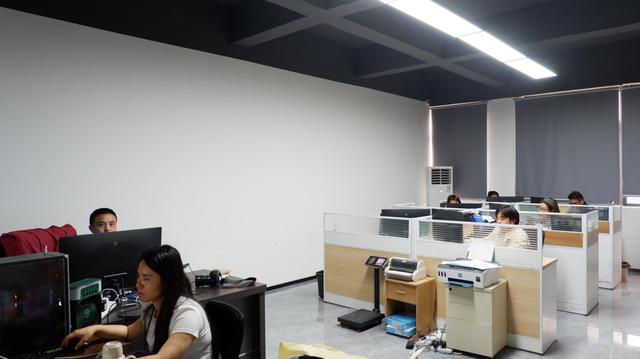
Located in Foshan, China, the heart of the global lighting manufacturing ecosystem, Foshan Joliras Light Co., Ltd. has established itself as an industry-leading OEM and ODM force. Operating a state-of-the-art 11,000 square meter modern production hub, Joliras employs more than 160 highly skilled technical staff members—including structural designers, electronic engineers, quality inspectors, and logistics specialists.
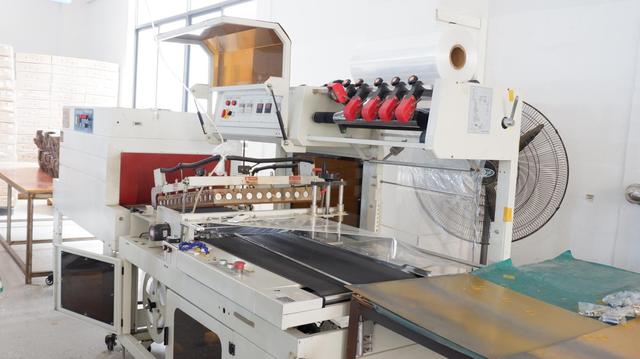
Joliras leverages Factory 4.0 automation paradigms, integrating high-speed SMT placement machinery, automated battery cell sorting systems, and robotic waterproof sealing stations. These advanced capabilities enable a highly reliable production output while drastically mitigating unit-to-unit variance.
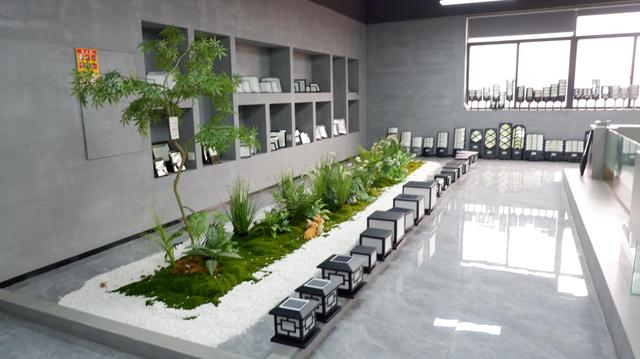
Recognizing that geographic solar insolation varies, Joliras provides bespoke customization services for global distributors. Our engineering team calculates exact PV-to-Battery ratios based on target latitude coordinates. Clients can customize structural designs, optimize luminaire optics, increase battery capacities (Ah), and specify high-performance LED chips to match unique regional bids.

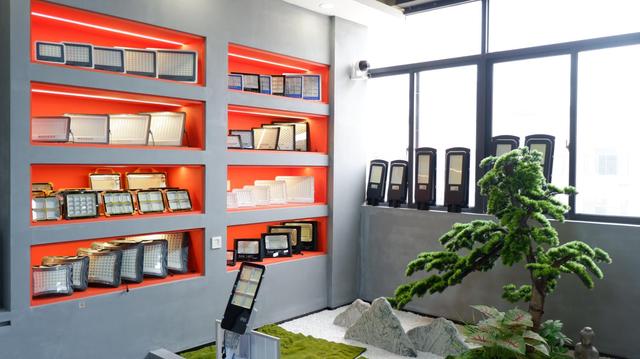
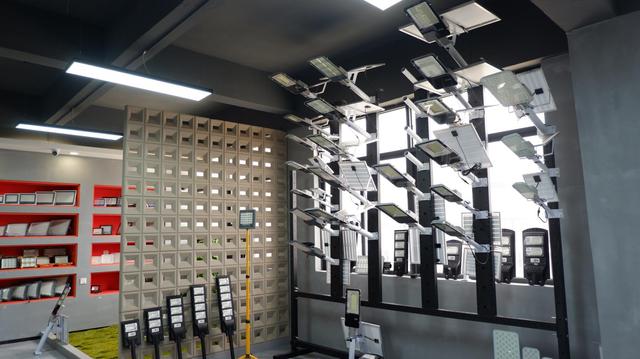
The deployment of high-mast solar floodlights and sensor-driven spot arrays spans across multiple demanding sectors. By adjusting mounting vectors, luminaire optics, and motion sensitivity, Joliras solutions excel in diverse environments:
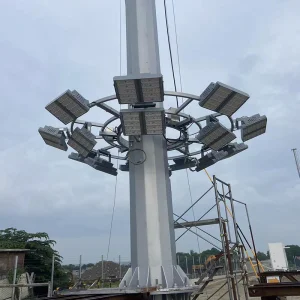
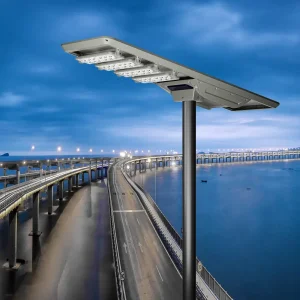
High-mast solar LED floodlights provide critical night visibility along complex interchanges, harbor storage areas, and loading docks without requiring expensive, disruptive grid trenching.
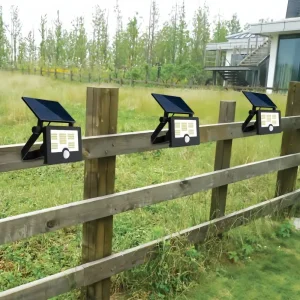
IP66/IP67 rated solar street and spot systems line security boundaries, ensuring continuous monitoring even during power grid failures or targeted sabotage attempts.
High-power solar floodlights, such as the Breaker Warrior series, deliver high lux values over sports fields and community parks, reducing operational costs to zero.
Standard off-the-shelf consumer solar lights often fail within months when subjected to real-world industrial environments. Joliras engineer-designed solutions address localized challenges:
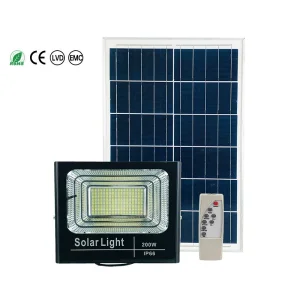
 Joliras Light