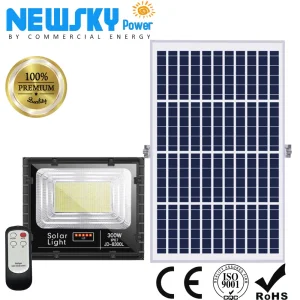
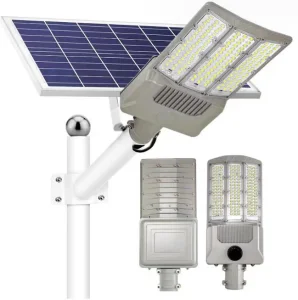
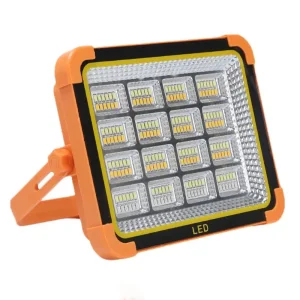
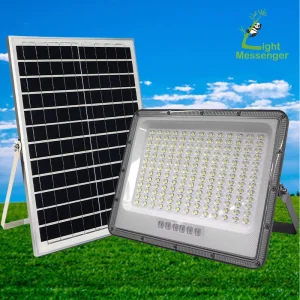
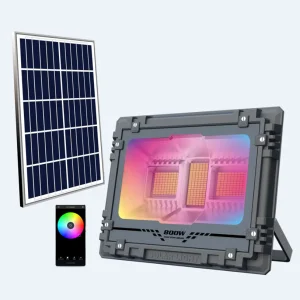
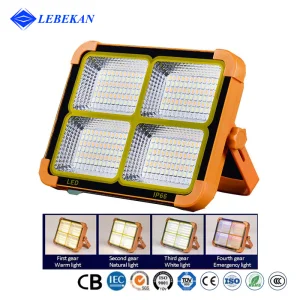
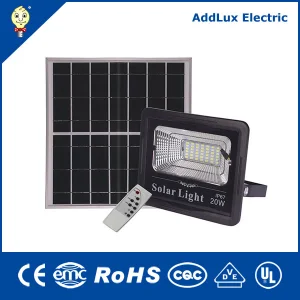
Explore our industrial-grade, energy-saving outdoor lighting systems trusted by global enterprise procurement managers.
The global push for decarbonization and ESG compliance has fundamentally redefined the role of industrial temporary lighting. Off-grid zones, municipal building projects, deep-level exploration sites, and disaster management protocols no longer treat solar illumination as a mere backup solution. Modern high-power configurations have established solar systems as primary infrastructure assets. High-lumen density, intelligent battery reserve optimization, and robust ingress protection are critical operational requirements.
As regulatory authorities implement strict carbon taxation and reduce reliance on diesel generator rentals, EPC (Engineering, Procurement, and Construction) firms are integrating solar floodlights and mobile light towers directly into their standard operating designs. This transition significantly lowers operating expenditures (OPEX) by cutting fuel, maintenance, and cabling costs. It also ensures reliable performance in extreme weather conditions.
Industrial-grade portable and flood lighting systems now use monocrystalline silicon PV arrays that achieve modern efficiency conversion metrics exceeding 22%. Integrating LiFePO4 (Lithium Iron Phosphate) cells offers over 3,000 deep-discharge cycles, giving installations a structural lifespan of 8 to 10 years.
By adopting smart PWM and MPPT charge controller topologies, lighting fixtures now feature automated power-rationing profiles. These adjust output levels based on seasonal battery depth-of-discharge data, ensuring continuous operation even during multiple consecutive overcast days.
Analyzing key advancements in energy capture, storage, and optical performance that shape modern off-grid solar equipment.
Integrating wireless mesh, Bluetooth Mesh, and NB-IoT allows operations managers to program, monitor, and configure light levels remotely. This reduces onsite inspections and maximizes energy conservation.
Advanced multi-angle, anti-glare optical lenses focus light precisely on target zones. This minimizes light pollution while increasing peripheral lux levels across large job sites.
Using premium cast aluminum alloys (A380/ADC12) along with Dacromet coatings ensures structures remain corrosion-free. High wind resistance and IK08 impact ratings guarantee reliable operation in challenging industrial settings.
Selecting appropriate technical configurations is critical when deploying commercial lighting solutions. Off-grid systems must match the environmental, spatial, and duration requirements of their specific field use. The table below outlines standard configurations for major commercial sectors:
| Sector Target | Standard Lux / Lumen Range | IP / IK Standard Required | Primary System Battery Backup Requirement |
|---|---|---|---|
| Infrastructure Construction Yards | 20,000 lm - 60,000 lm | IP66 Waterproof / IK08 Impact | 3 Full Nights (12hr Shift / Dynamic Dimming) |
| Mining & Deep Excavation Areas | 40,000 lm - 90,000 lm | IP67 Sealed / IK09 Heavy Duty | 4 Nights Backup (LiFePO4, Low Temperature Cut-off) |
| Disaster Relief & Tactical Response | 8,000 lm - 25,000 lm | IP65 Mobile / Compact | Rapid-charge Battery (AC Utility + PV Dual Input) |
| Municipal Parking & Outer Perimeters | 12,000 lm - 30,000 lm | IP66 Standard | Dusk-to-Dawn Automated Operation (MPPT Controlled) |
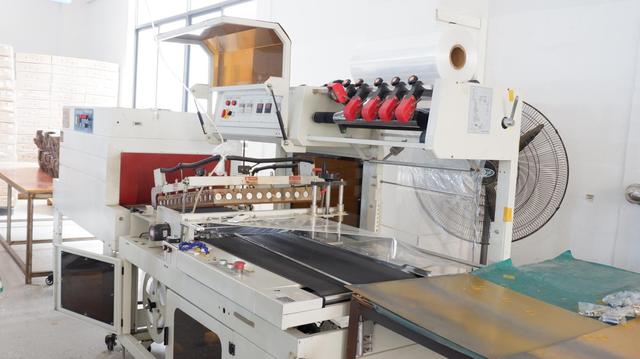
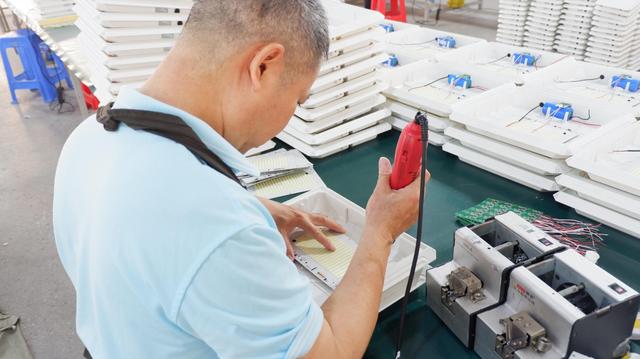
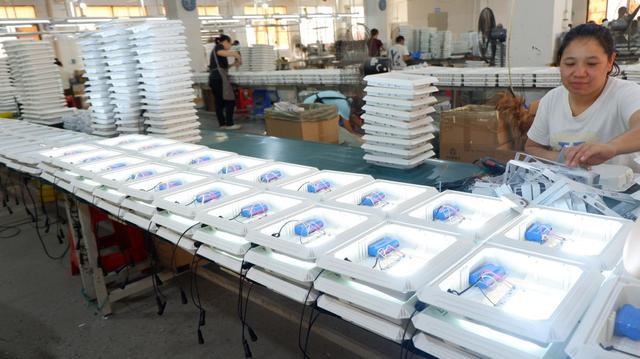
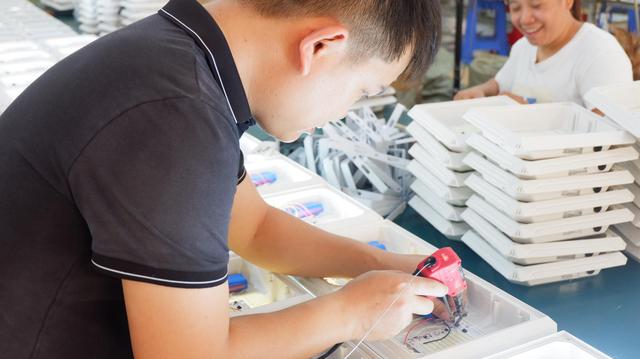
Established in 2013 and based in the manufacturing hub of Foshan, China, Foshan Joliras Light Co., Ltd. has grown into a leading developer of premium solar floodlights and outdoor security lighting systems. Operating a modern 11,000-square-meter facility with over 160 skilled personnel—including engineers, quality control specialists, and product designers—Joliras delivers robust, reliable products designed for global projects.
Our core catalog includes high-efficiency solar floodlights, motion-activated security fixtures, and commercial street lighting solutions. As an experienced OEM and ODM partner, Joliras supports international distributors, municipal contractors, and brands. We provide tailormade engineering options, including custom panel ratings, optimized optical arrays, specified battery capacities, and bespoke product designs.
To maintain high levels of reliability, Joliras integrates strict quality control testing throughout the production cycle. Every manufacturing batch undergoes thorough checks, including high-accuracy battery testing, spectrophotometer validation, and environmental testing (thermal shock, high humidity exposure, and IP rating verification).
By working with certified supply partners, we ensure that our LED components, solar modules, and battery arrays meet strict international standards (CE, RoHS, IP66/IP67, UN38.3). This gives global procurement agents confidence in our products' long-term durability and operational safety.
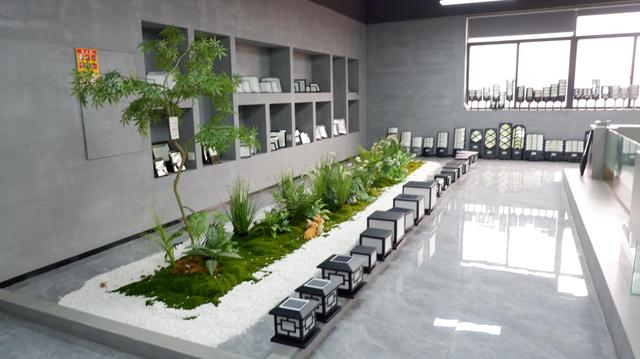
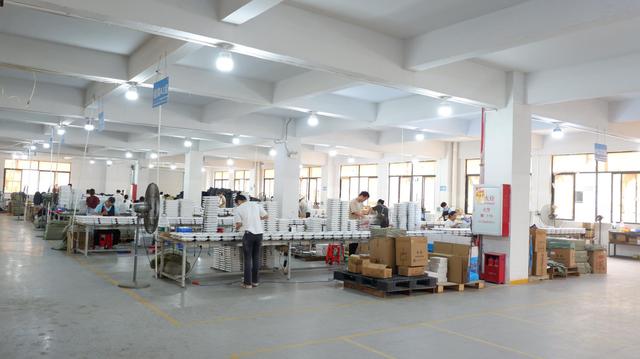
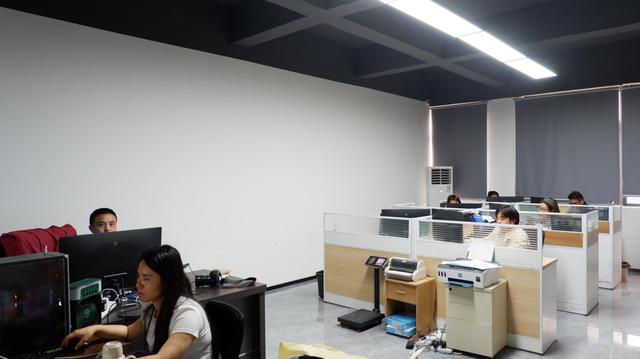
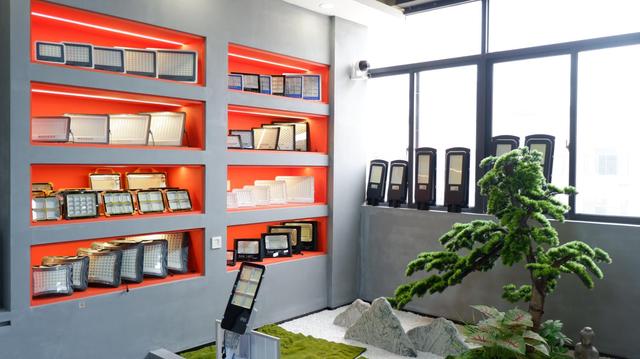
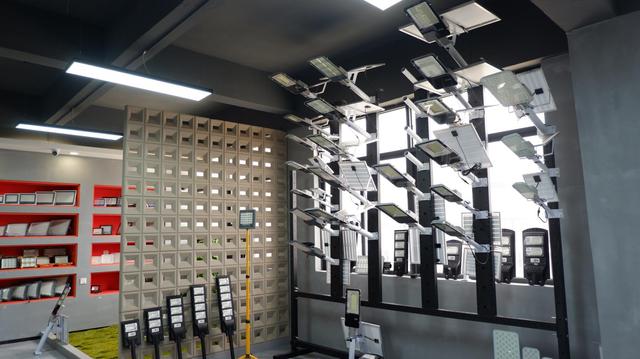
Our commitment to continuous innovation guides the technical development of our product ecosystem.
Moving toward solid-state and semi-solid-state lithium arrays to increase energy density by up to 40% and support stable operation in extreme temperatures (-30°C to 75°C).
Integrating hybrid perovskite-silicon tandem cells to target conversion efficiencies above 26%, ensuring rapid charging even in low-light conditions.
Developing onboard machine learning models that monitor local weather conditions and adapt power consumption profiles to extend battery life during prolonged overcast periods.
Clear, direct answers to common engineering, procurement, and deployment questions.
LiFePO4 (Lithium Iron Phosphate) chemistry is chosen for industrial environments due to its chemical stability, long cycle life (typically over 3,000 cycles at 80% Depth of Discharge), and superior thermal safety. Unlike ternary lithium (NMC/NCA), LiFePO4 minimizes the risk of thermal runaway, making it highly reliable in high-temperature settings.
Maximum Power Point Tracking (MPPT) controllers continuously track and adjust voltage and current levels to maximize power transfer from the solar panel. This provides up to 30% higher efficiency compared to Pulse Width Modulation (PWM) systems, which is especially beneficial in fluctuating weather conditions.
Our fixtures feature precision CNC-machined die-cast housings, robust silicone seals, and double-insulated, waterproof cable entries. This design prevents water ingress and dust entry, protecting internal electronics during short submersion and harsh storms.
Our services cover mechanical casing changes, custom PCB design, customized battery capacities, and specific optical distribution curves. We also offer options for private labeling and modified packaging to match your brand requirements.
Precision-molded PMMA lenses shape and direct light to cover specific areas, reducing light spill. This allows the system to deliver higher lux levels in target zones without using extra energy.
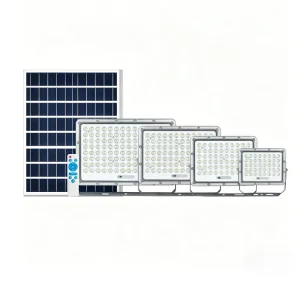
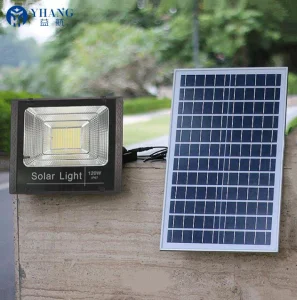
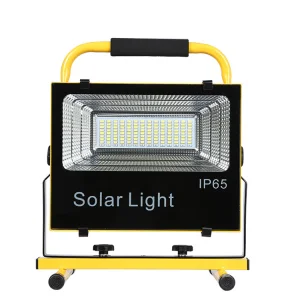
High-performance outdoor fixtures featuring rugged designs, high lumen outputs, and reliable battery backups.
 Joliras Light