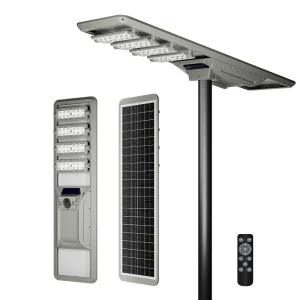
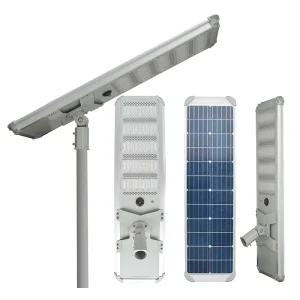
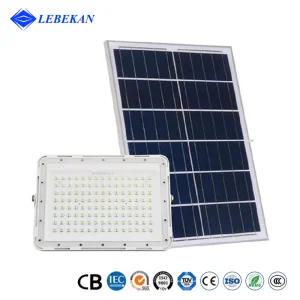
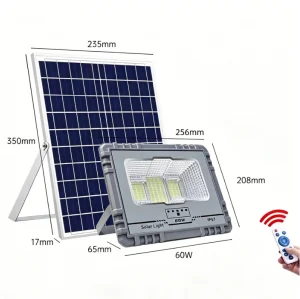
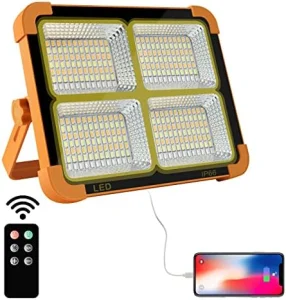
Explore engineering-grade, high-lumen solar lighting units designed for commercial roadways, security perimeters, and architectural hardscapes.
Understanding the macroeconomic drivers, regulatory decarbonization mandates, and technological convergences reshaping industrial, municipal, and commercial landscape lighting worldwide.
The global market for solar outdoor lighting—encompassing solar inground well lights, architectural accent luminaires, high-mast floodlights, and integrated streetlights—is undergoing an unprecedented shift toward decentralized green infrastructure. Driven by net-zero targets, rising utility costs, and stringent municipal ESG directives, enterprise buyers and civil contractors are increasingly replacing legacy grid-tied metal halide and high-pressure sodium fixtures with standalone photovoltaic systems.
Solar inground lights, in particular, present unique engineering challenges. Operating at ground level subjects luminaires to mechanical loads, moisture ingress, thermal cycling, and soil salinity. Modern B2B procurement demands verified factory compliance, precise photometric control, advanced lithium iron phosphate ($\text{LiFePO}_4$) chemistry, and robust IK10/IP68 structural ratings.
While traditional grid-powered subterranean cabling requires expensive trenching, conduit laying, and high labor overhead, modern solar-powered inground fixtures decouple illumination from power distribution networks. Analysis shows that civil engineering projects leveraging zero-grid solar inground and floodlight technologies achieve complete capital outlay recovery within 14 to 22 months through total elimination of electricity tariffs and minimized maintenance overhead.
Leading manufacturers now integrate Maximum Power Point Tracking (MPPT) microcontrollers and high-yield N-type monocrystalline solar cells, maximizing solar energy conversion even under low-irradiance overcast conditions.
A deep technical evaluation of mechanical enclosure design, optoelectronics, power electronics management, and thermal dissipation systems.
Industrial solar inground lights utilize high-transmittance tempered optical glass coupled with precision total internal reflection (TIR) lenses. This optical architecture provides clean, anti-glare beam angles ranging from narrow 15° architectural wall-grazing beams to 120° wide flood distributions. High-efficacy SMD5050 or Bridgelux LED chips deliver system luminous efficacies up to 180 lm/W, maintaining Color Rendering Index (CRI) standards of Ra > 80.
Legacy Ni-Cd or Lead-Acid batteries have been completely supplanted by Automotive-Grade Lithium Iron Phosphate ($\text{LiFePO}_4$) cells. Operating at nominal 3.2V / 12.8V configurations, these batteries offer superior thermal stability, maintaining integrity under extreme ambient temperatures (-20°C to +65°C). Integrated Smart BMS microcontrollers protect against overcharge, deep discharge, short circuits, and thermal runaway.
Inground luminaires are continuously exposed to surface runoff, soil condensation, and heavy vehicular dynamic loads. Trusted factories utilize high-density die-cast aluminum (ADC12) or 316 Marine-Grade Stainless Steel bezels treated with electrophoretic anti-corrosion coatings. Custom double-ring fluororubber gaskets guarantee true IP68 water immersion seal integrity under static hydrostatic pressure.
Engineering Benchmark: High-grade commercial inground solar luminaires must withstand static drive-over load forces exceeding 2,000 kg (20 kN). Sub-surface housing structures require engineered drainage channels paired with breathing pressure equalization valves (Gore-Tex vents) to mitigate internal condensation caused by micro-temperature shifts.
| Specification Parameter | Standard Commercial Grade | High-Spec Industrial/Factory Grade | Engineering Benefit |
|---|---|---|---|
| Solar Cell Technology | Polycrystalline (16-18% Efficiency) | N-Type Monocrystalline (22-24% Efficiency) | 35% higher power harvesting in limited surface footprint |
| Battery Chemistry | Ternary Lithium (NCM) / Lead Acid | Grade-A LiFePO4 (Lithium Iron Phosphate) | Extended lifespan (2,000 to 6,000 cycles) & extreme heat tolerance |
| Enclosure Material | ABS Plastic / Low-Grade Aluminum | Die-Cast ADC12 Aluminum + SUS316 Bezel | IK10 impact resistance & zero corrosion in coastal/saline soil |
| Ingress Protection | IP65 (Splash Protection) | IP68 (Hermetic Continuous Submersion) | Complete prevention of internal fogging and subterranean water ingress |
| Control Algorithm | PWM (Pulse Width Modulation) | Adaptive Smart MPPT with PIR/Radar Motion Detection | 30% faster charging rates and dynamic 5-7 night autonomy control |
A look into high-precision production infrastructure, ISO-certified quality control workflows, and global supply capability.
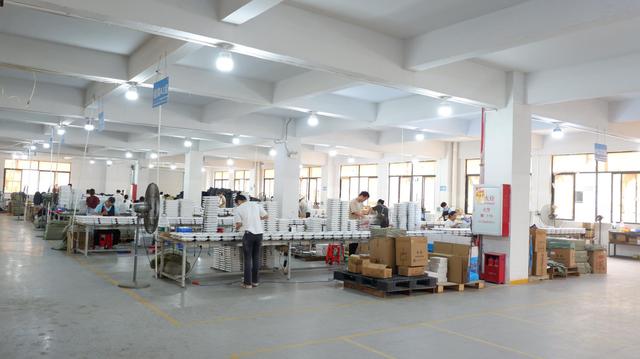
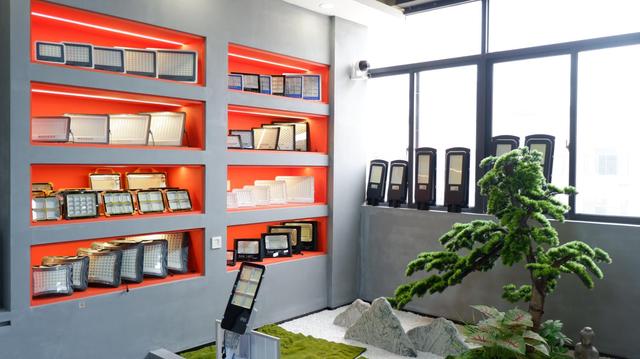
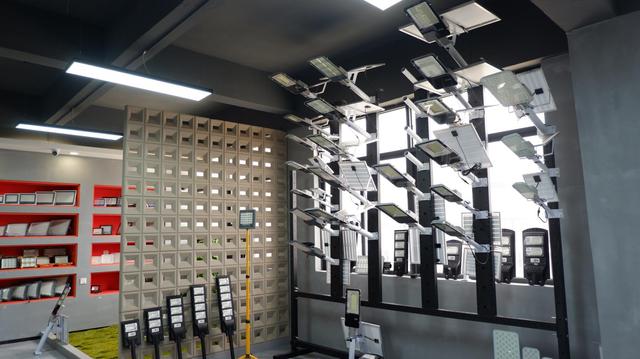
Foshan Joliras Light Co., Ltd. is a premier manufacturer specializing in solar flood lights, solar inground solutions, and high-performance outdoor security lighting systems. Established in 2013 in Foshan, China, Joliras has scaled into an industry-trusted OEM and ODM partner for major global brands, municipal contractors, distributors, and engineering procurement teams.
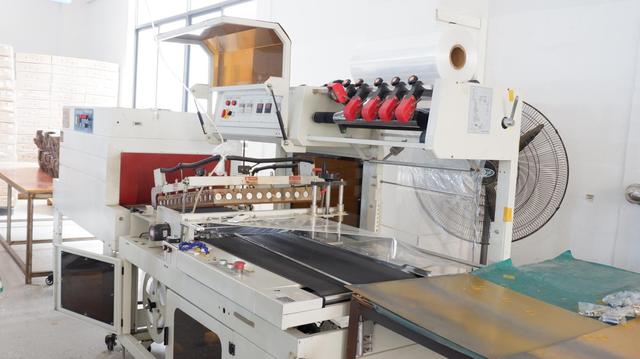
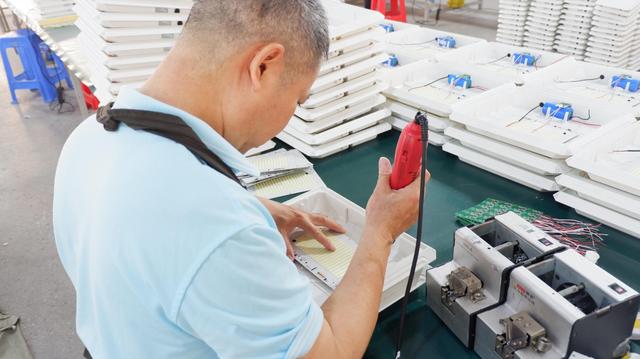
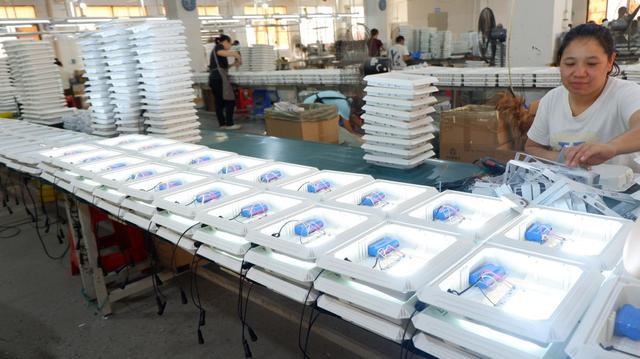
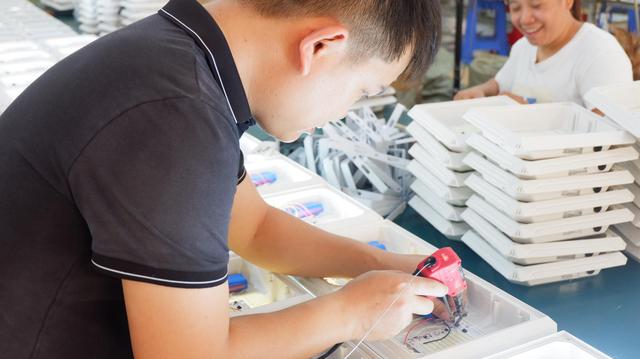
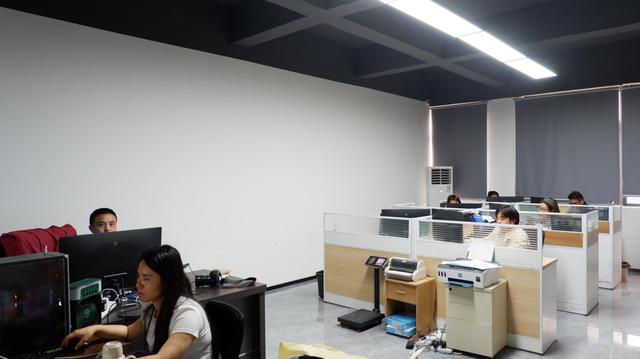
Operating out of a modern manufacturing facility spanning approximately 11,000 square meters, Joliras maintains an integrated production ecosystem. The company employs over 160 highly skilled personnel, including structural design engineers, optoelectronics specialists, SMT assembly technicians, rigorous Quality Assurance (QA) inspectors, and dedicated international trade officers.
Through systematic investments in automated surface-mount technology (SMT), automated solar cell laser scribing, optical goniophotometer darkrooms, and environmental simulation chambers, Joliras ensures every production batch satisfies international standards including CE, RoHS, IP67/IP68, and IK09/IK10 certifications.
Tailored technical setups engineered for high-durability operational demands across diverse international microclimates and urban environments.
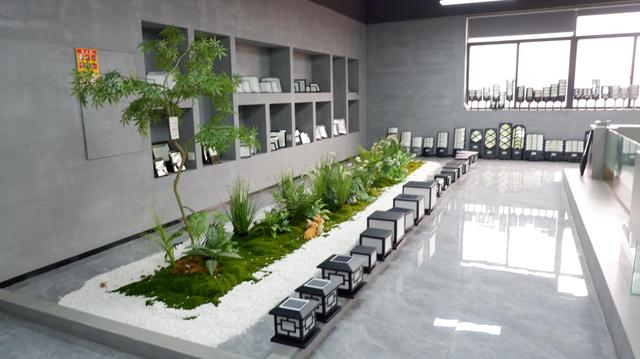
In high-foot-traffic public squares, pedestrian plazas, and commercial business districts, solar inground luminaires provide flush-mounted architectural accent lighting. Flush installation eliminates trip hazards while providing structural load support for maintenance vehicles. Integrated daylight sensors trigger automated twilight activation with zero grid reliance.
Logistics centers, port aprons, and industrial parks require perimeter and lane delineation lighting capable of supporting heavy transport machinery. Specially designed drive-over solar inground lights feature thick pressure-resistant tempered glass and reinforced alloy sub-casings that endure multi-ton axle loads without structural deformation.
Coastal resorts, waterfront promenades, and luxury hospitality venues demand fixtures highly resistant to saline mist and humidity. Utilizing 316 stainless steel bezels, anti-UV polycarbonate optical covers, and hermetically sealed internal battery chambers, factory-grade solar luminaires prevent salt-spray degradation and maintain optical clarity for years.
Ensuring international market access through verified testing protocols, material certifications, and customized OEM supply chain risk mitigation.
Top-tier Chinese manufacturing operations implement a strict 4-stage Quality Assurance framework to guarantee zero-defect yields on international shipments:
Navigating regional customs and municipal engineering codes requires comprehensive factory certification files. Leading suppliers supply full compliance dossiers including:
Forecasting key technological breakthroughs that will define solar inground and outdoor fixture engineering over the next decade.
Integrating bifacial transparent solar panels with reflective subsurface light wells to harvest ambient scattered ground light, boosting daily energy yields by 15-22%.
Implementation of Bluetooth Mesh, Zigbee, and LoRaWAN protocols enabling centralized remote monitoring, dynamic dimming schedules, and automated battery health diagnostics via cloud dashboards.
Transitioning from liquid electrolyte lithium cells to solid-state chemistry, doubling energy density, eliminating leakage risks, and extending operating life beyond 10,000 charge cycles.
Development of micro-electromechanical optical arrays capable of altering beam distribution angles via smartphone interface, adapting lighting parameters post-installation without physical lens changes.
A standardized vendor evaluation matrix for commercial buyers, distributors, and engineering procurement professionals.
Verify if the factory owns dynamic testing assets, including integrating spheres for lumen verification, IPX8 water submersion test tanks, salt spray corrosion chambers, and automated SMT placement machinery. Facilities like Foshan Joliras Light Co., Ltd. operating 11,000+ sqm plants provide scalable stability over smaller assembly workshops.
Inquire whether the factory utilizes brand-new Grade-A $\text{LiFePO}_4$ battery cells or recycled/second-life packs. Grade-A cells carry batch numbers traceable back to primary tier-1 manufacturers, guaranteeing rated capacity and cycle safety.
Inspect housing design drawings for heat sink fin surface area and pressure equalization valves. Poorly dissipated heat quickly degrades LED lumen output and accelerates battery capacity fading.
Ensure the supplier provides comprehensive structural, electronic, and packaging customization. Full-service OEM/ODM manufacturers offer specialized optic beam shaping, customized CCT correlated color temperature (2700K to 6500K), and tailored branded packaging solutions.
Expert solutions to common engineering, procurement, installation, and maintenance questions surrounding solar inground and floodlight systems.
Discover our extended line of high-lumen, high-durability solar lighting equipment built for severe weather, remote site installation, and commercial perimeters.
 Joliras Light