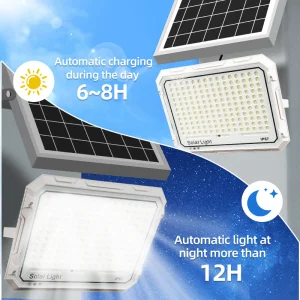
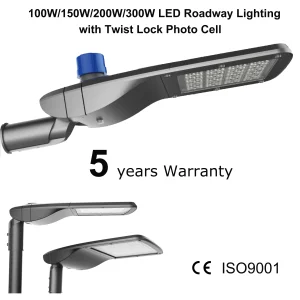
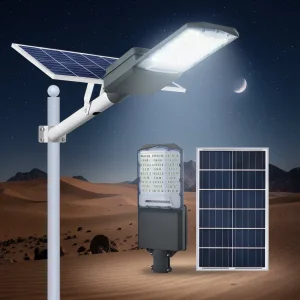
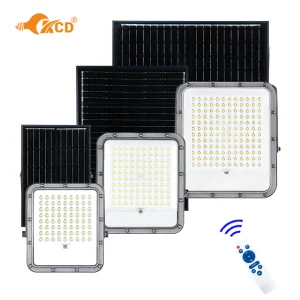
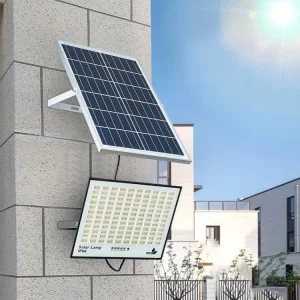
Engineered for architectural reliability, municipal standards, and severe outdoor weather environments. Explore our leading standard solar configurations.
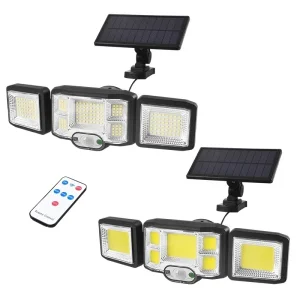
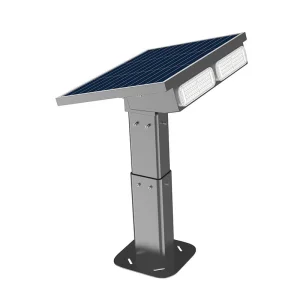
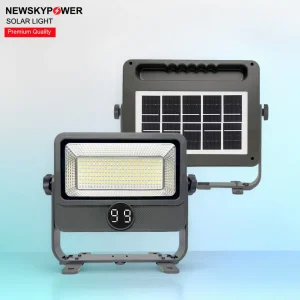
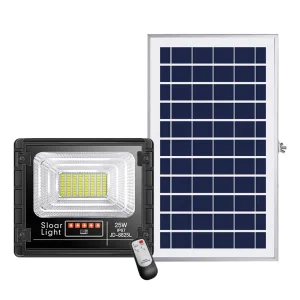
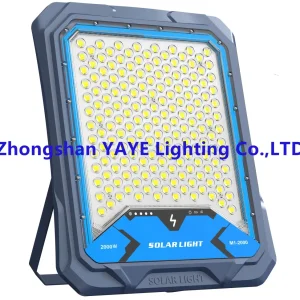
Understanding the engineering demands, mechanical standards, and supply chain variables that dictate successful project deployment.
B2B procurement professionals must distinguish between chip nominal power and actual luminous efficacy. Modern commercial architectures rely on premium SMD2835 or SMD5050 LED chips, converting electric energy to visible light at ratios exceeding 160 lm/W. Standardizing on actual lumen outputs ensures project compliance while preventing excessive load requirements on battery storage cells.
Severe outdoor climates demand rugged battery chemistry. Traditional ternary lithium-ion chemistries struggle with thermal stability. Top tier manufacturers utilize Grade-A LiFePO4 cells, offering over 3,000 charging cycles at 80% Depth of Discharge (DoD). This cell configuration ensures operational resilience in extreme temperatures ranging from -20°C to 65°C, preventing system decay.
Solar floodlight performance depends heavily on the PV module composition. Monocrystalline silicon cells, yielding conversion efficiencies between 21% and 23.5%, outperform cheaper polycrystalline panels. Furthermore, integration of smart MPPT (Maximum Power Point Tracking) controllers maximizes power harvesting under overcast skies, boosting charging efficiency by up to 30% compared to traditional PWM systems.
Dedicated OEM & ODM Manufacturer of Advanced Outdoor Solar Lighting
Foshan Joliras Light Co., Ltd. has established itself as an authoritative leader in OEM/ODM manufacturing of solar flood lights and security lighting systems since 2013. Situated in the globally recognized manufacturing hub of Foshan, China, the company provides full-scale industrial customization to meet the strict technical standards of B2B distributors, municipal contractors, and commercial engineering corporations.
Our operations leverage advanced automated SMT assembly lines, precise automated cell testing apparatus, and high-performance environmental simulation chambers. Through integration of robust supply chain pathways and scientific QA workflows, Joliras guarantees stable performance, minimal RMA rates, and extended operational lifespans across diverse geographical deployment zones.
Custom arrays from 500 lm to 20,000+ lm outputs
3.2V / 6.4V / 12.8V Grade-A LiFePO4 cells up to 150Ah
Monocrystalline panels (18V-24V) with high-density mounting
Integrated 4G/Wi-Fi cameras, PIR motion sensors, and IoT modules
Providing stable, sustainable, and maintenance-free lighting networks across complex infrastructure environments worldwide.
High-lumen solar floodlights with dual PIR sensors secure cargo bays, loading zones, and terminal perimeters. Off-grid structures eliminate costly trenching and cabling phases, cutting initial civil engineering expenditures by up to 60% while maintaining reliable illumination during grid disruptions.
Combining split solar streetlights with high-capacity mono solar panels offers cost-effective public roadway illumination. Advanced, programmable dimming profiles optimize battery consumption overnight, providing safe, consistent lumen output that meets national highway safety guidelines.
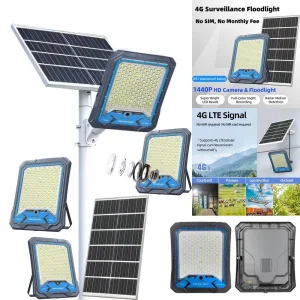
Designed with integrated 4G Wi-Fi IP cameras, these security floodlights record clear, 4-megapixel video around remote facilities, energy sites, and properties. Intelligent power systems ensure that surveillance and wireless transceivers stay online, even through multiple consecutive cloudy days.
Our commitment to research and development guides the next generation of outdoor solar lighting architectures.
Future iterations of our industrial lighting lines are shifting toward standard IoT module configurations. By utilizing Zigbee, LoRaWAN, and 5G cellular communication channels, site managers can remotely track panel conversion speeds, battery charge levels, and LED degradation from centralized dashboards.
Integrating artificial intelligence algorithms within local microcontrollers allows the system to analyze seasonal weather patterns and forecast solar yields. The luminaire autonomously adjusts its power usage, preventing deep discharge cycles and extending battery life to over 8 years.
To reduce glare and maximize usable lighting areas, we are developing multi-angle optical lenses. These systems direct light outward and downward in an asymmetric distribution pattern, maintaining uniform lux levels across walkways while eliminating wasteful upward light emission.
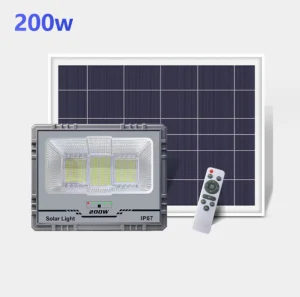
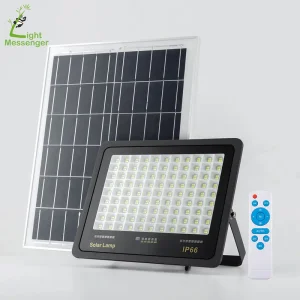
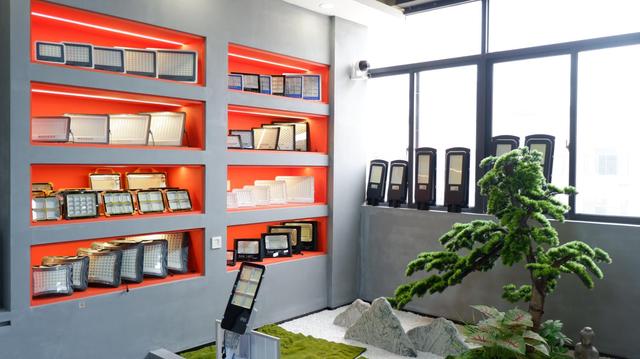
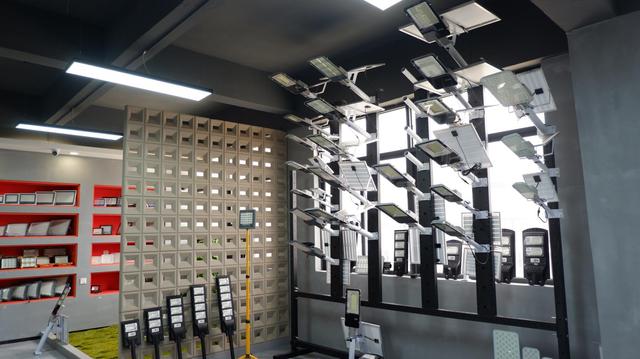
Featuring integrated cameras, smart remote controls, and high-durability aluminum housings for global projects.
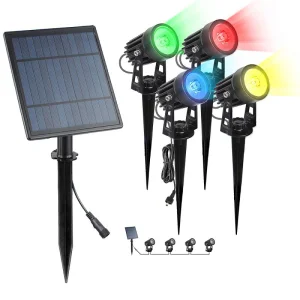
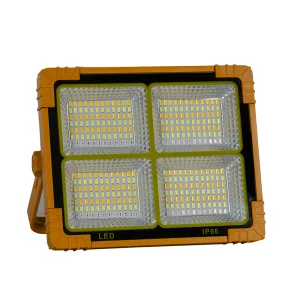
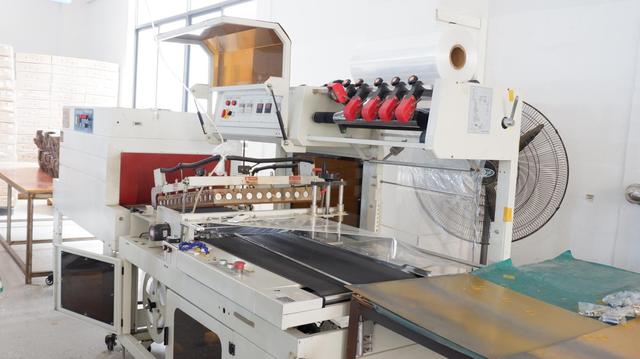
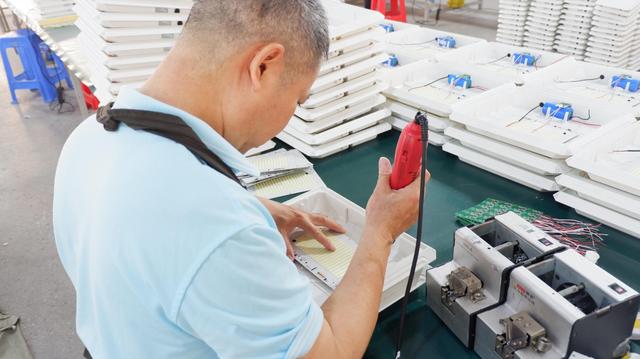
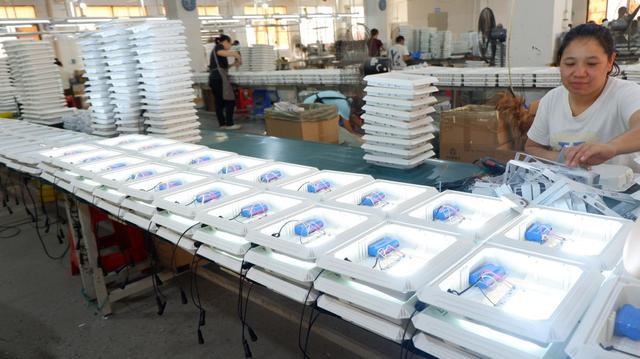
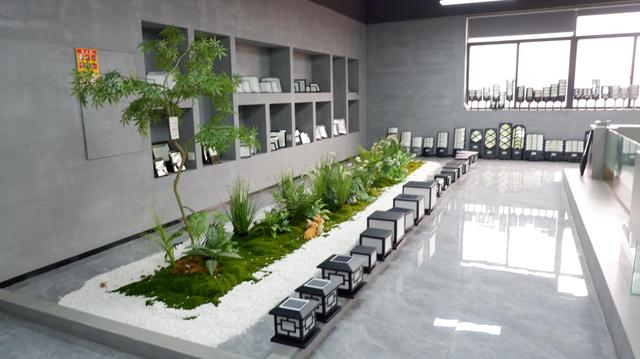
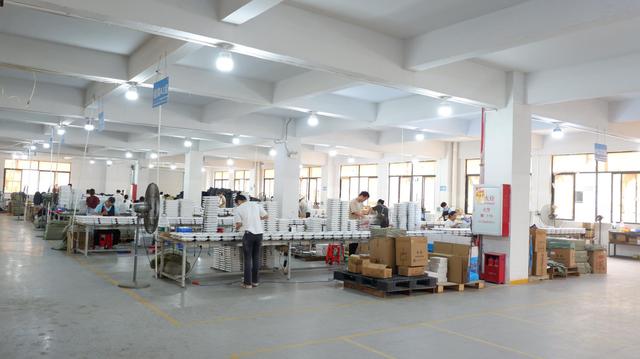
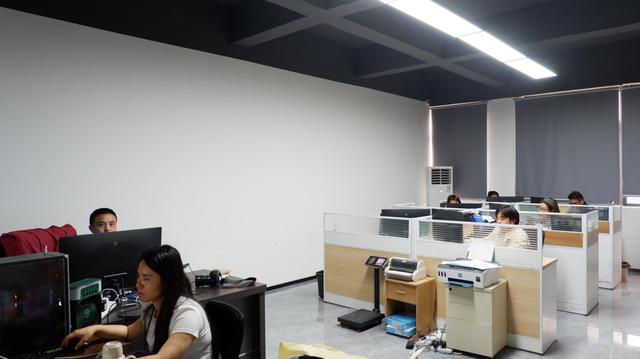
Inside the production center: clean SMT rooms, automated testing bays, and strict quality control workflows.

Get detailed technical answers about engineering options, quality certifications, logistics, and minimum order requirements.
 Joliras Light