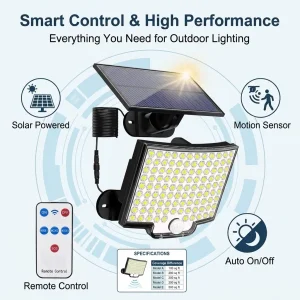
Solar Powered Motion Sensor Security Flood Light, Ultra Wide Angle
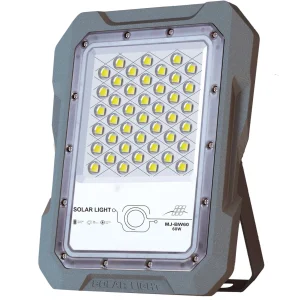
Yaye 26 Years Experience 60W High Power LED Floodlight Radar Sensor
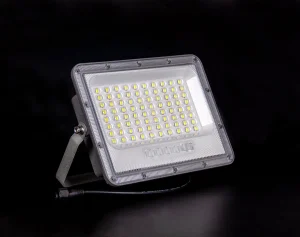
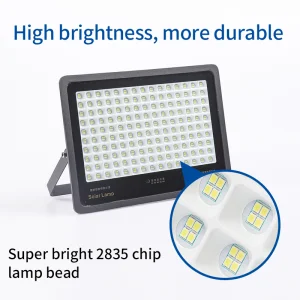
100W-300W Road Wall Waterproof Courtyard LED Solar Street Flood Light
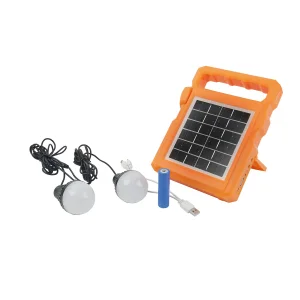
Emergency Mobile Charging Multi-Function Solar Lighting System Kit
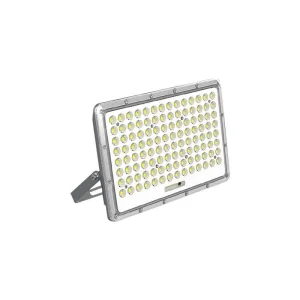
High Quality Solar LED Flood Light Remote Control Garden Stadium Lighting
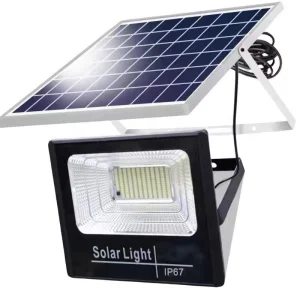
IP65 Solar Floodlight LED Aluminum Alloy 45W-1000W Landscape ROHS
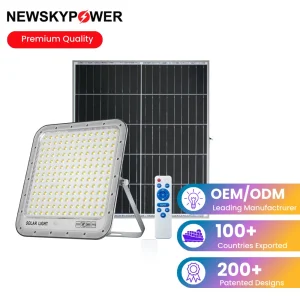
Waterproof Outdoor LED Solar Flood Light for Garden with Remote Control
Foshan Joliras Light Co., Ltd. is a professional manufacturer specializing in solar flood lights and outdoor security lighting solutions for global markets. Established in 2013 and located in Foshan, China, the company has grown into a reliable OEM and ODM factory focused on energy-efficient, high-performance solar lighting systems designed for commercial, industrial, and residential applications.
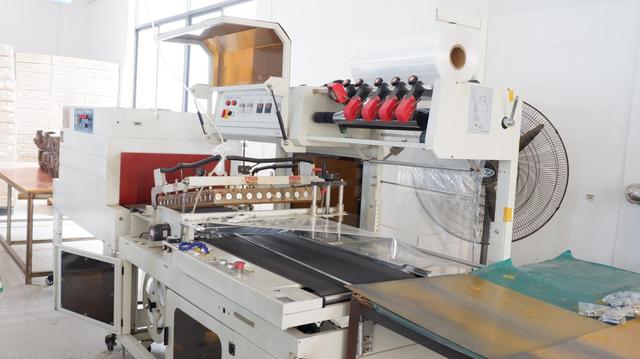
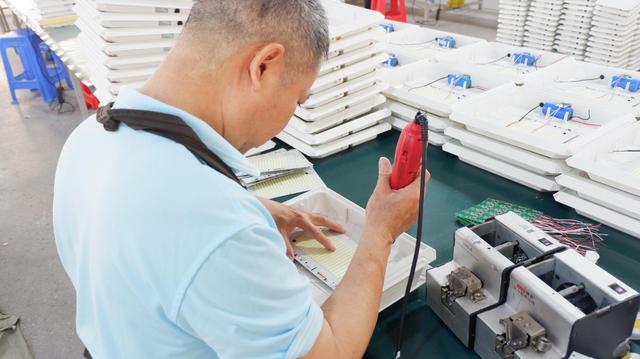
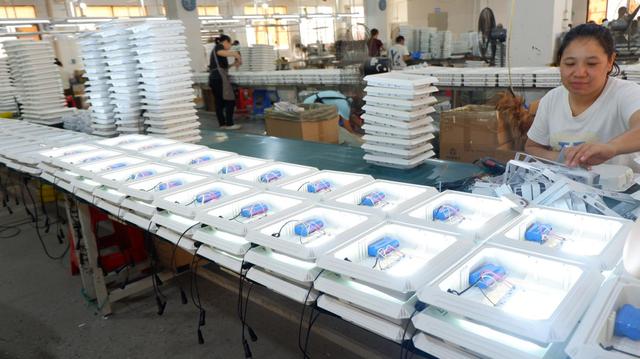
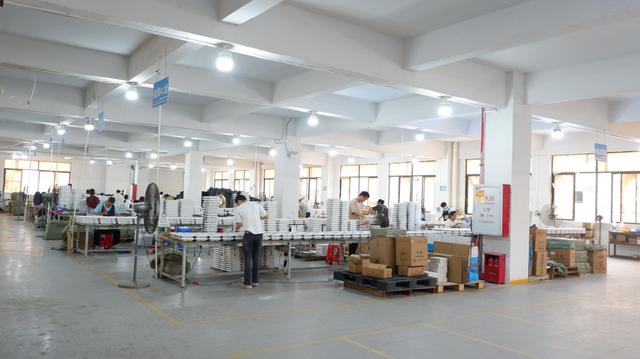
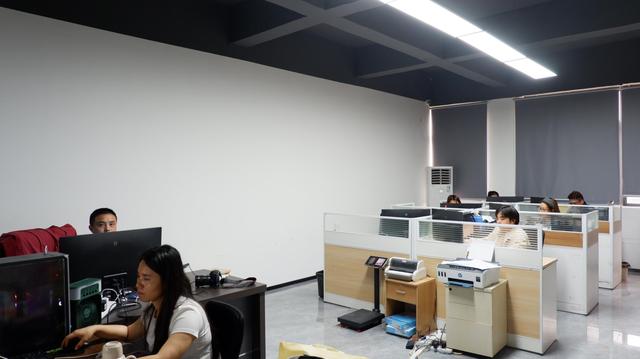
Joliras operates a modern production base covering approximately 11,000 square meters and employs more than 160 skilled staff members, including engineers, product designers, production technicians, quality control inspectors, and international sales professionals. With advanced manufacturing equipment, automated production lines, and strict quality management systems, the company ensures consistent product reliability and long service life.
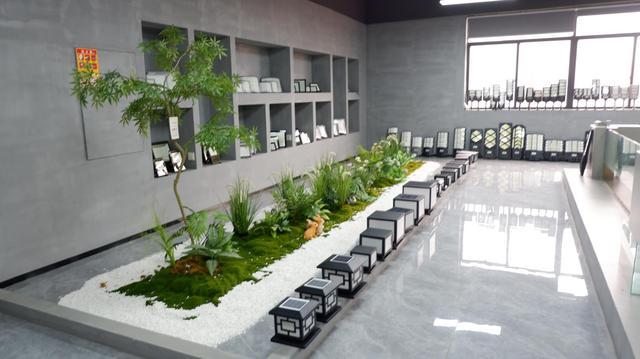
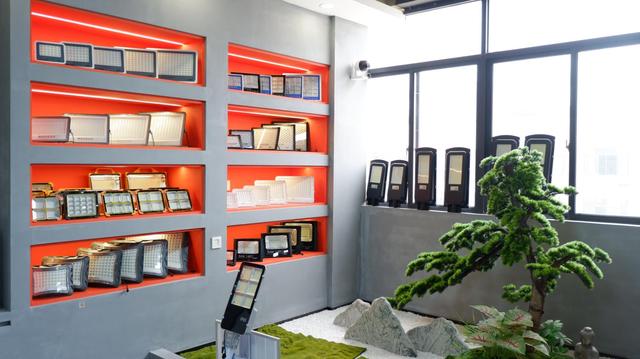
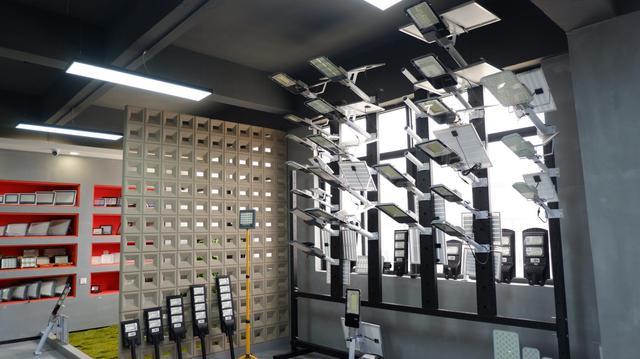
Our main product range includes solar flood lights, solar motion sensor flood lights, solar security lighting systems, solar street lighting solutions, solar wall-mounted flood lights, and high-power outdoor lighting equipment. These products are widely used in outdoor security, parking areas, warehouses, construction sites, gardens, roads, and public infrastructure projects.
As an experienced OEM and ODM factory, Foshan Joliras Light Co., Ltd. provides full customization services including product structure design, lighting performance optimization, solar panel configuration, battery capacity adjustment, logo branding, and packaging development. We support global distributors, wholesalers, contractors, and lighting brands in building competitive and market-ready products.
Transitioning from Polycrystalline to Mono-PERC and N-Type TopCon cells, increasing conversion efficiency from 17% to over 23%. This allows for smaller panels with higher output.
LiFePO4 (Lithium Iron Phosphate) batteries are now the industry standard, offering 3000+ charge cycles and superior thermal stability compared to traditional Ternary Lithium or Lead-acid batteries.
Integration of Smart MPPT controllers with AI algorithms that predict weather patterns to adjust brightness, ensuring 365 days of light even in prolonged rainy seasons.
Modern solar lighting is no longer just a "light in a box." It is a critical component of Smart City Infrastructure and ESG (Environmental, Social, and Governance) compliance.
Focusing on 100W-300W Solar Street Lights with IK08 impact resistance and IP67 waterproofing to reduce city maintenance costs by 60%.
High-lumen floodlights for warehouse perimeters and loading docks, featuring motion sensors to enhance security while conserving energy during low-traffic hours.
Portable solar kits and emergency lighting systems designed for disaster relief, rural electrification, and temporary construction sites where the grid is unavailable.
Why the world's leading brands source their solar lighting from the Foshan manufacturing cluster.
Proximity to aluminum extrusion, LED packaging, and battery assembly plants in the Pearl River Delta ensures a 30% reduction in lead times compared to other regions.
Utilization of SMT (Surface Mount Technology) for PCBA and automated aging test racks ensures that every unit meets the lumen output and thermal management standards.
From Salt Spray Testing for coastal applications to High-Temperature/Humidity chambers, the technical resilience of Foshan-made solar lights is world-class.

In our analysis of the Top 10 Solar Energy Light Manufacturers, we've identified that the key differentiator lies in Information Gain regarding "Total Cost of Ownership" (TCO). A cheaper solar light often costs 3x more over its lifespan due to battery failure or yellowing of the PC lens.
Unlike plastic housings that degrade under UV radiation, high-quality manufacturers like Foshan Joliras use Die-Cast Aluminum. This provides the necessary heat dissipation to keep LEDs cool, extending their life to the L70 standard (>50,000 hours).
The difference in efficiency is approximately 20-30%. Top-tier suppliers integrate Maximum Power Point Tracking (MPPT) which acts like a "smart brain" to harvest the maximum possible energy from the panels even in shaded or cloudy conditions.
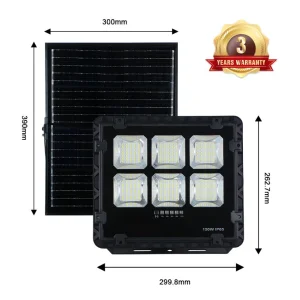
Smart Bright 100W Outdoor Garden Wall Mounted Flood LED Solar Lights
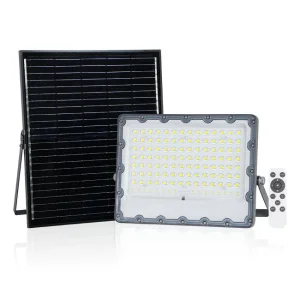
Commercial 50W Solar High Power Floodlight Warm White with Battery
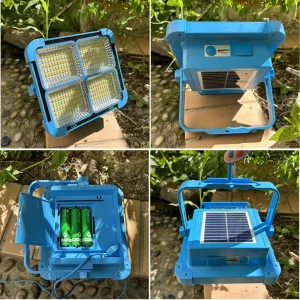
Portable Emergency Light 50W Solar Flood Lights for Outdoors
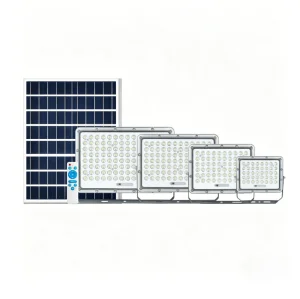
100W Solar Flood Light High Brightness for Warehouse Garage Garden
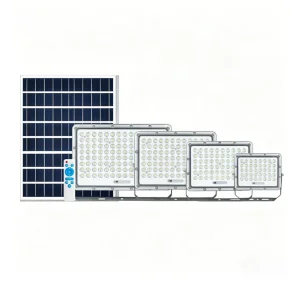
150W Solar Flood Light Energy Saving Outdoor Wall Mounted Lamp
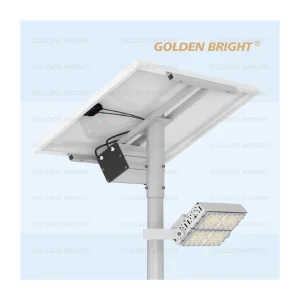
Golden Bright IP65 Waterproof GB Series 200lm/W Die-Cast Aluminum
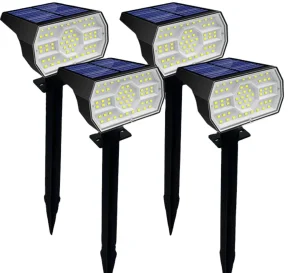
LED 3 Modes IP67 Solar Powered High Brightness Flood Wall Lights
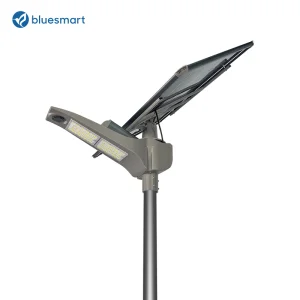
IP68 120W LED Flood Projector Outdoor Street Solar Light Quality
 Joliras Light