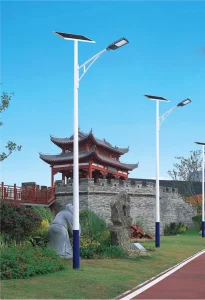
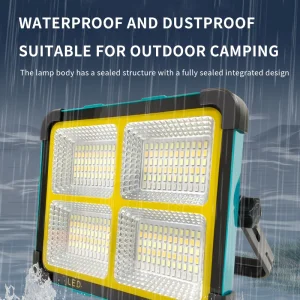
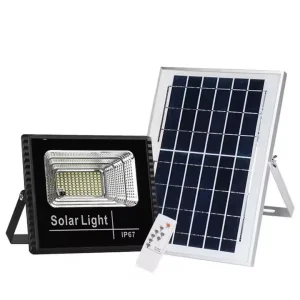
Engineered architectures for parking arrays, secure perimeters, and remote structural applications.
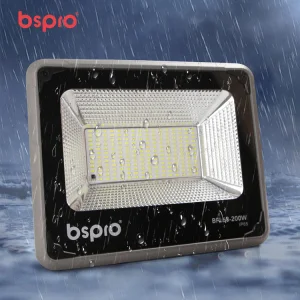
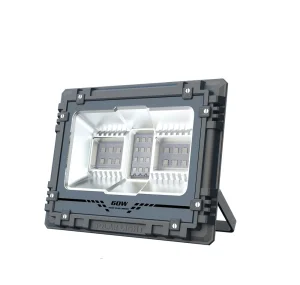
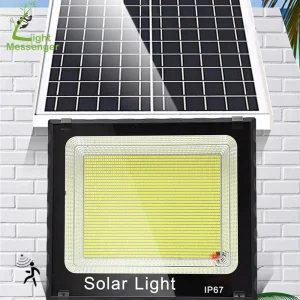
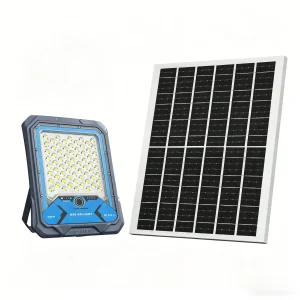
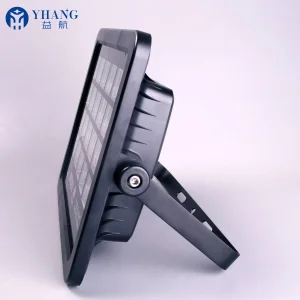
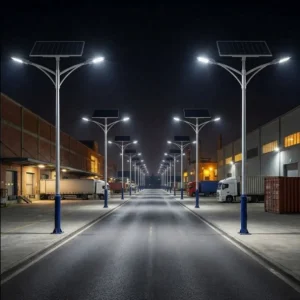
In the modern commercial landscape, exterior lighting has transitioned from a basic functional necessity to a strategic vector for corporate decarbonization, grid independence, and capital efficiency. As municipal frameworks and enterprise ESG mandates enforce strict reduction targets on greenhouse gas emissions, traditional grid-connected high-intensity discharge (HID) and grid-powered metal halide systems are rapidly becoming legacy liabilities. High infrastructure trenching costs, continuous utility rate inflation, and ongoing maintenance overheads degrade capital efficiency in parking, warehousing, public roadway, and industrial logistics projects.
The introduction of high-efficiency Commercial Solar Outdoor Lighting Systems offers a direct resolution. By pairing modern solar technology with advancements in Solid-State Lighting (SSL), modern commercial-grade solar engines run completely isolated from the grid. This structural independence translates directly into zero operational expenses (OpEx) for power, minimal setup delays, and immunity from localized power outages. However, the commercial and municipal markets require levels of engineering rigor that far exceed residential consumer products. True enterprise deployment requires precise calculations of localized solar radiation (solar insolation indexes), mechanical wind-load design, thermal dynamics of battery enclosures, and rigorous regulatory safety compliance.
As a leading exporter and OEM/ODM engineering house, Foshan Joliras Light Co., Ltd. builds specialized solar engines designed for commercial, industrial, and high-security utility deployment. Over more than a decade of focused industrial manufacture, we have evolved with key paradigm shifts in solar power harvesting, energy storage density, and optical management. This ensures our systems deliver steady, reliable illumination under challenging climate and geographical conditions.
Our commercial solar illumination systems are designed around three core pillars: optimal luminous efficacy (lumens per watt), industrial battery lifecycle extension, and robust environmental protection. To ensure reliable performance over a 10-year design life, we systematically reject cheap consumer materials in favor of die-cast aluminum alloys (ADC12), premium Class-A monocrystalline silicon wafers, and smart control systems utilizing maximum power point tracking (MPPT) logic.
Unmatched manufacturing integration, specialized industrial clusters, and strict quality control protocols.
Foshan's local industrial ecosystem houses a comprehensive vertical supply chain. We procure high-grade raw components, from extruded aluminum framing to optical lenses and raw silicon, within a 50km radius. This localized concentration lowers logistical overhead, accelerates prototyping cycles, and minimizes risk of upstream disruptions.
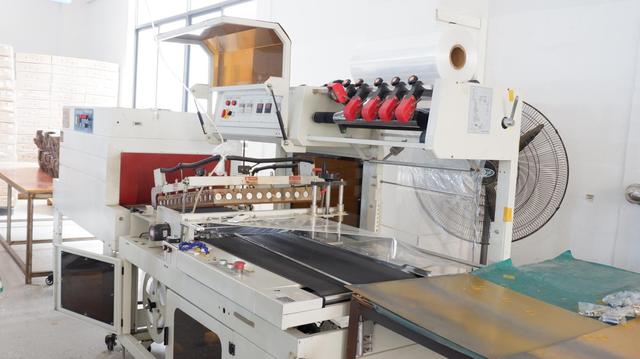
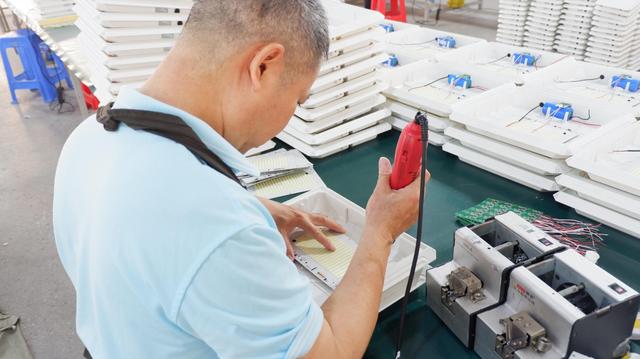
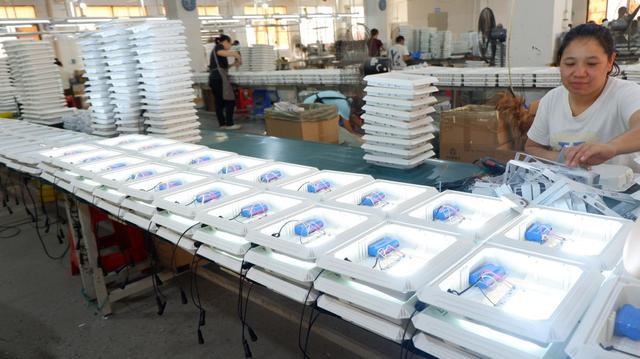
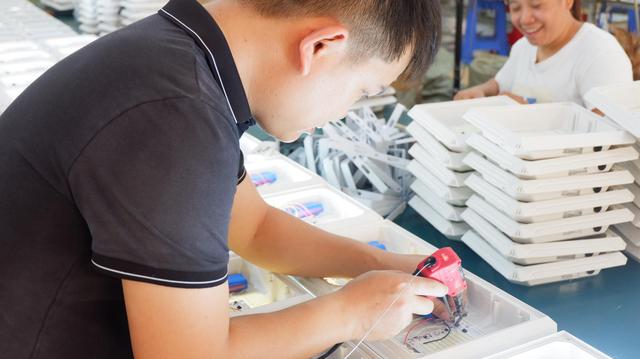
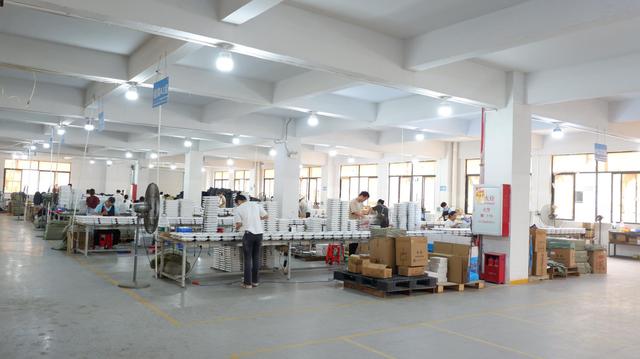
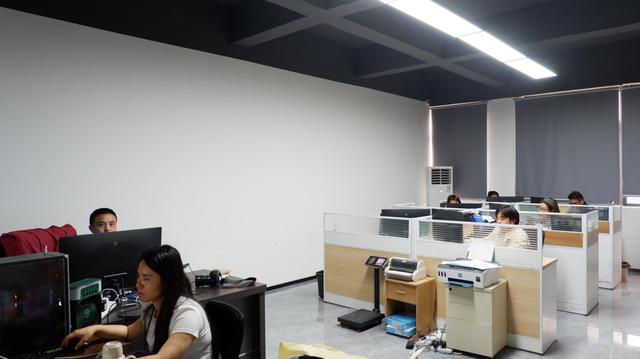
Established in 2013 in Foshan, China, Foshan Joliras Light Co., Ltd. operates an 11,000 square meter manufacturing facility. Equipped with advanced automated SMT production, automated solar simulator testers, and calibrated integrating spheres, our 160+ skilled personnel ensure repeatable quality and efficient delivery schedules.
Unlike regional assemblers, our engineering teams build customizable physical chassis and custom firmware program logic directly in-house. This comprehensive capability allows us to deliver structural drawings within 48 hours and functional prototypes within 15 days, helping global distributors capture time-sensitive projects.
A solar-powered luminaire is a micro-utility generation system. To ensure reliable performance over years of continuous operation, each individual subsystem must be optimized to prevent early component degradation. Understanding this engineering architecture is critical for professional procurement agents.
Converting light to electricity begins with the photovoltaic module. Consumer products often use low-grade polycrystalline modules that degrade under heat. Foshan Joliras uses only high-yield N-type monocrystalline silicon cells. These panels feature conversion efficiencies up to 21.8%, compared to 15-17% for standard polycrystalline panels. They perform better in low-light and high-temperature environments, generating more power during winter months and cloudy days to maintain battery state of charge (SoC).
Commercial outdoor lighting relies heavily on its battery storage system. Traditionally, lead-acid or standard ternary lithium (NMC) batteries were used, but these options have short lifespans and safety concerns under high thermal loads. We design our industrial luminaires around deep-cycle Lithium Iron Phosphate (LiFePO4) storage batteries. LiFePO4 chemistry provides key engineering advantages:
A major point of failure in solar lighting is the charge controller. Cheap Pulse Width Modulation (PWM) controllers waste up to 30% of potential solar energy. Joliras implements high-frequency Maximum Power Point Tracking (MPPT) controllers. By constantly scanning solar panel voltage and current, our controllers maximize power transfer to the battery pack even during shifting overcast conditions. Our controllers also integrate smart dimming profiles (e.g., 100% output for the first 4 hours, followed by adaptive motion sensor control), extending battery operation for up to 3 to 5 continuous rainy days without complete discharge.
Enterprise procurement departments, municipal utilities, and engineering contractors require strict compliance verification. We focus on meeting these international performance standards to ensure our products qualify for large-scale bidding and public tenders.
Our fixtures hold IP65, IP66, and IP67 certifications. We use specialized silicone gasket systems and UV-stabilized sealants to prevent moisture ingress during heavy storms or high humidity, protecting internal electronics from early failure.
All component designs, solder alloys, and driver components meet CE and RoHS guidelines. We ensure our materials are free of hazardous substances, supporting sustainability goals and simplifying customs clearance for European markets.
Our commercial-grade fixtures achieve high IK08 and IK10 impact protection, making them resistant to vandalism. Structural frames are also engineered to withstand high wind loads, ensuring stable performance in coastal areas and typhoon zones.
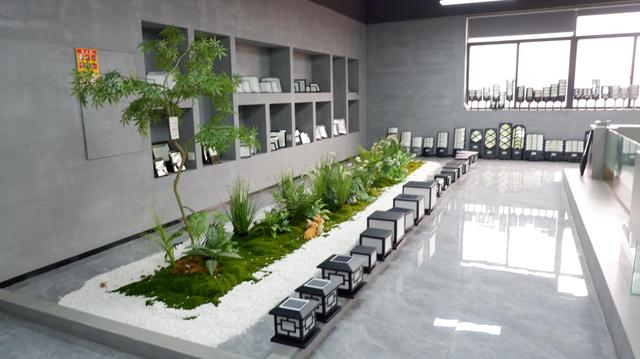
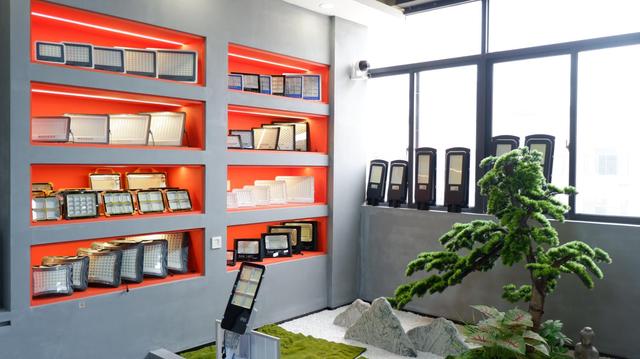
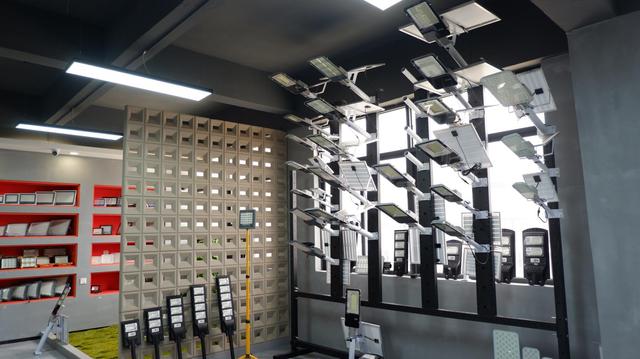
Inside Foshan Joliras: ISO9001-certified production lines, optical testing, and quality assurance processes.
How we engineer specific configurations to meet the lighting needs of different industries.
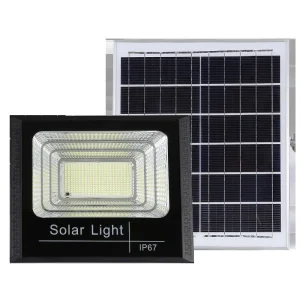
Large shipping hubs need high lumen output for forklift traffic and security. Our high-power solar floodlights provide wide-angle illumination (Type III and V distributions) to cover large areas without blind spots, reducing pole placement requirements.
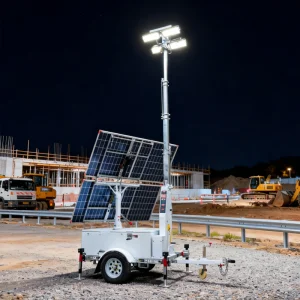
Temporary sites require portable, rugged equipment. Our trailer-mounted mobile solar light towers feature fold-out panels, adjustable stabilizers, and multi-directional flood heads, providing mobile off-grid lighting that reduces on-site diesel fuel consumption.
Security perimeters must operate reliably without power outages. We offer specialized camera-integrated solar floodlights that record continuously. During cloudy periods, these systems automatically optimize battery levels to keep security functions active.
Common questions answered by our engineering and logistics teams.
We size each system with an autonomy buffer, matching high-efficiency N-type monocrystalline panels with optimized battery storage. Our smart MPPT controllers feature adaptive dimming algorithms that reduce luminaire output based on battery charge, allowing the system to operate for up to 3 to 5 rainy days.
We use Grade-A LiFePO4 cells rated for over 3,000 complete charge/discharge cycles at 80% Depth of Discharge. This provides a functional battery service life of 8 to 10 years, compared to ternary lithium or lead-acid packs that often fail within 2 to 3 years.
Our ODM services include customized solar panel configurations, custom-sized battery enclosures, tailored lens optics (Type I, II, III, IV, or V distribution patterns), custom dimming profiles, laser-etched branding, and certified high-strength structural mounting brackets.
While the initial purchase cost of commercial solar lighting can be higher than grid-tied equivalents, it eliminates trenching, cabling, and panel installation costs. This, combined with zero monthly electricity bills, typically delivers a full return on investment (ROI) within 12 to 24 months.
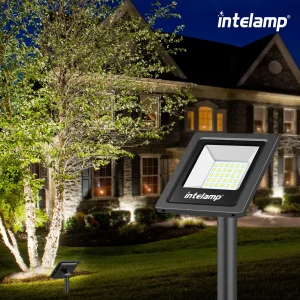
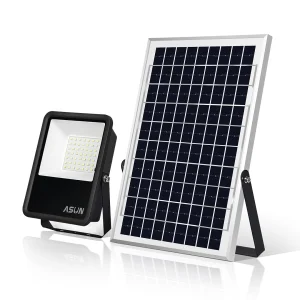
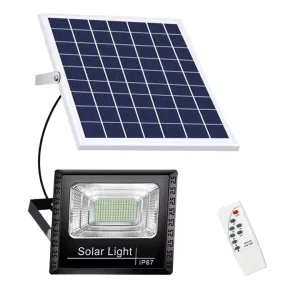
Heavy-duty, high-output outdoor solutions for security boundaries, roadways, and general illumination.
 Joliras Light