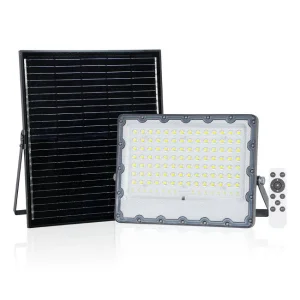
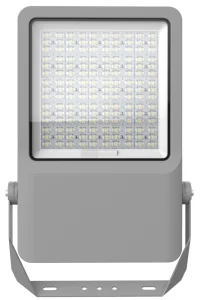
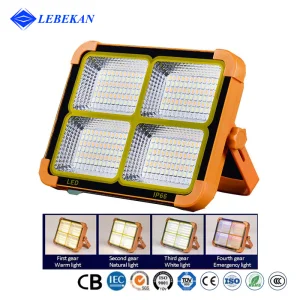
Explore our high-performance line of solar park lights, floodlights, and street lights. Built with advanced photovoltaic cells and long-life batteries for continuous commercial utility.
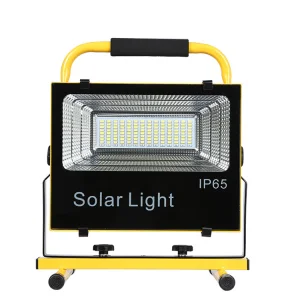
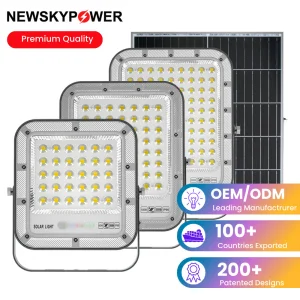
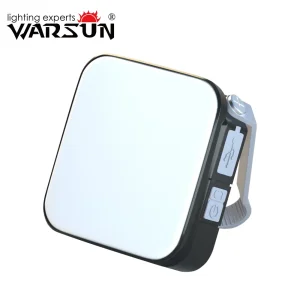
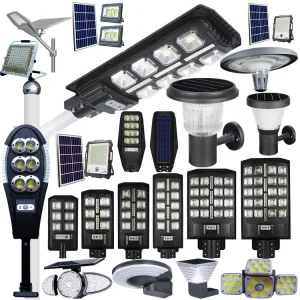
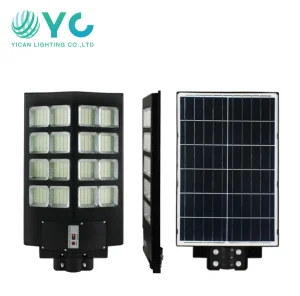
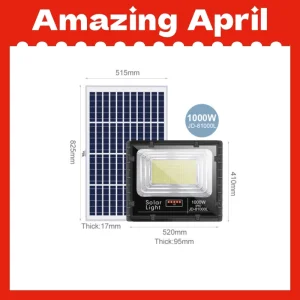
As the international transition toward carbon neutrality accelerates, municipal planning commissions, landscape architects, and industrial developers are drastically redesigning the infrastructure of public spaces. A central pillar of this evolution is the deployment of smart solar park lights. Global demands for carbon offset reductions, combined with soaring municipal grid electricity pricing, have pushed grid-tied outdoor lighting systems into obsolescence.
Today, the commercial and industrial (C&I) sectors require high-performance, robust, and reliable off-grid systems. Unlike residential solar garden lights, solar illumination systems configured for public parks, municipal greenways, corporate campuses, and perimeter security demand uncompromising photometric outputs and structural resilience. Modern solar park lights act as decentralized clean energy stations, yielding a return on investment (ROI) within 24 to 36 months by eradicating cabling costs, trenching requirements, and recurring utility expenditures.
Complete insulation from utility blackouts and peak energy surcharges via optimized photovoltaic integration and local lithium storage.
Fully tailored components—from modular optics and custom brackets to MPPT controllers designed for specific geographical solar cycles.
Integrated motion sensing, automatic lumen reduction algorithms, and custom wireless IoT control interfaces for adaptive illumination.
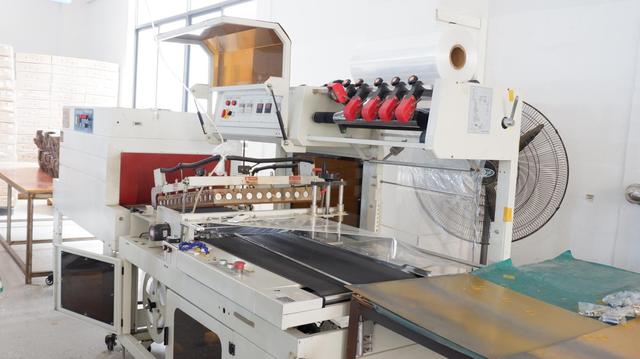
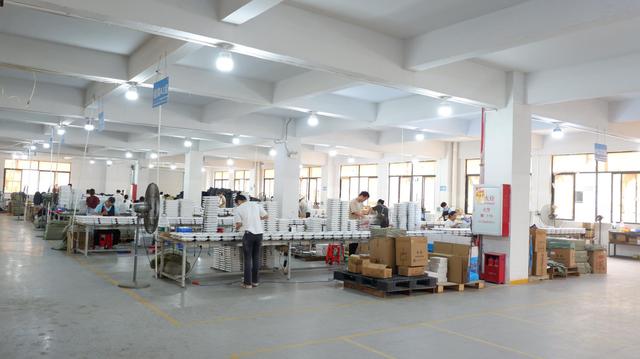
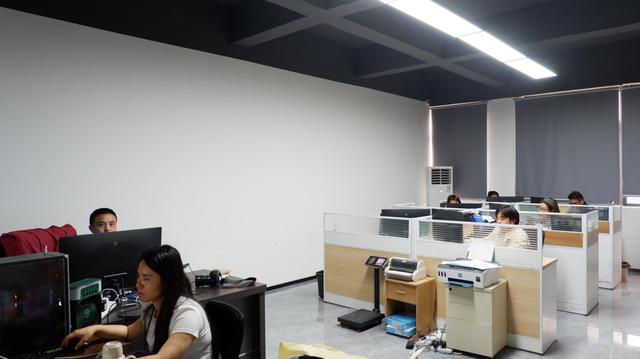
Operating a specialized manufacturing plant of approximately 11,000 square meters in Foshan, China, Foshan Joliras Light Co., Ltd. has refined a streamlined supply chain model to deliver exceptional manufacturing efficiency. With over 160 highly skilled personnel—comprising senior structural engineers, electronics specialists, quality assurance technicians, and operations managers—Joliras merges state-of-the-art automation with strict quality controls.
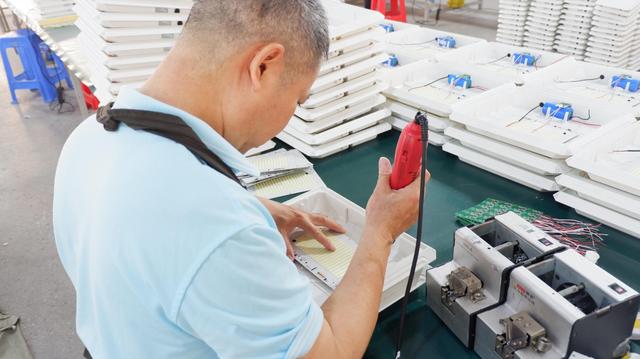
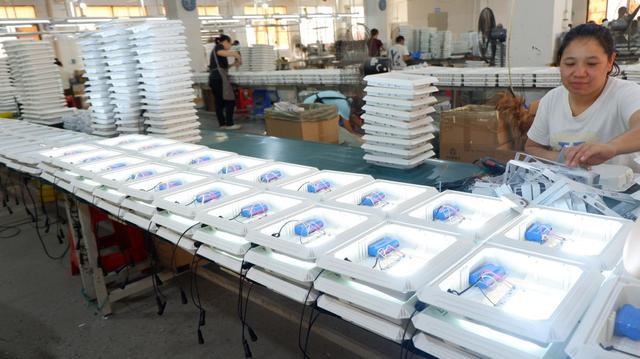
The strategic localization of Joliras in the Guangdong-Hong Kong-Macao Greater Bay Area (GBA) leverages the world's most advanced lighting manufacturing clusters. This proximity ensures immediate access to premium raw materials: automotive-grade die-cast aluminum alloys, high-conversion Monocrystalline silicon cells, and top-tier lithium iron phosphate (LiFePO4) battery cells. By executing all critical steps—from thermal structure modeling to CNC housing fabrication and automated PCB assembly—under one roof, we eliminate intermediate supply chain margins, delivering high reliability and cost-competitiveness to global importers.
To meet global compliance frameworks, Joliras employs strict QC testing procedures. Every production batch of solar floodlights and street lights is subjected to continuous waterproof test chambers (IP65 & IP66 calibration), integrating sphere photometric testing, and extreme environmental chamber thermal cycle testing. This prevents common failure points in solar lights, such as thermal runaway in battery systems and water ingress through lens arrays.
| Performance Parameters | Standard Industry Range | Joliras Factory Standard | Customer ROI Advantage |
|---|---|---|---|
| Solar Cell Conversion Rate | 15% - 18% (Polycrystalline) | ≥ 21.8% (A-Grade Monocrystalline) | Faster recharge times in low-light/overcast conditions. |
| Battery Chemistry | Ternary Lithium / Lead-Acid | LiFePO4 (Lithium Iron Phosphate) | Up to 3,000+ charge cycles and superior thermal safety. |
| Ingress Protection (IP) | IP65 Standard | IP66 & IP67 Certified Option | Extended operational life in high-humidity/coastal zones. |
| Luminous Efficacy | 110 - 130 lm/W | Up to 160 - 180 lm/W | Higher illumination density with lower energy footprint. |
Different regions present distinct geographic, climatic, and regulatory challenges. A custom-tailored solar park lighting solution ensures that the performance of the system matches local realities.
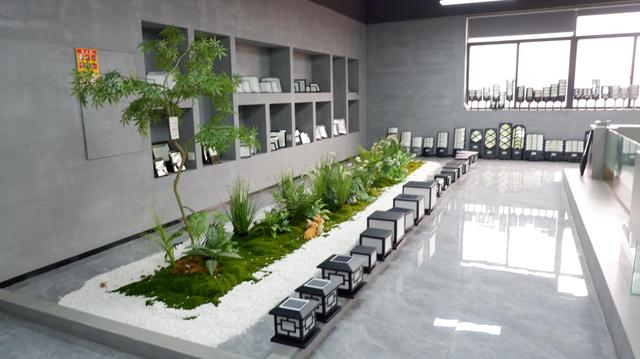
Public parks demand warm, welcoming illumination that prioritizes safety without introducing glare or light pollution. Joliras designs custom solar post lights using specialized optical distribution lenses (Type II and Type III distributions) that cast light evenly along walkways while minimizing sky glow. Integrating high-accuracy motion sensors ensures paths are brightly illuminated when in use, while dimming to 30% during inactivity to conserve battery reserves during winter seasons.
Corporate parks and industrial offices require robust security illumination that operates reliably regardless of local power outages. High-power solar floodlights paired with integrated camera options serve as deterrence systems. The rugged die-cast aluminum housing prevents degradation from physical impact (IK08+ impact rating) and manages heat dissipation, keeping internal electronics cool even under prolonged exposure to solar radiation.
High relative humidity and ocean spray are highly corrosive to structural alloys and electrical contacts. Our premium OEM customized series utilizes marine-grade structural finishes, specialized anti-oxidation powder coatings, and double-sealed silicone gaskets. High-purity aluminum enclosures are combined with Monocrystalline solar panels to resist chemical and environmental corrosion, maintaining efficiency for years.
In locations like Northern Europe and Canada, short winter days and sub-zero temperatures present a challenge for standard batteries. Joliras addresses this by configuring specialized thermal-insulated battery enclosures and using low-temperature-tolerant LiFePO4 cells, keeping charging cycles operational down to -20°C.
The solar street and park light sector is undergoing rapid technological transition. To remain competitive, buyers must design their long-term sourcing portfolios around these key macro-trends:
Integrating Zigbee, LoraWAN, or 5G modules allows maintenance operators to monitor battery health, power outputs, and adjust dimming schedules remotely via central management dashboards.
The shift from standard Monocrystalline cells to advanced PERC and TOPCon solar cells has elevated commercial panels to over 22.5% solar-to-electric conversion efficiency.
Artificial Intelligence integrated into MPPT controllers tracks historical meteorological weather patterns to optimize battery discharge curves, preventing blackouts during prolonged cloud cover.
Modern urban landscape designs reject bulky fixtures. Buyers now specify integrated structural profiles, combining solar cells, controllers, and LEDs into low-profile, clean architectural designs.
For distributors, wholesalers, and municipal engineering contractors, selecting a solar park light manufacturer requires assessing technical capabilities, compliance certifications, and logistical support. The checklist below outlines critical parameters for your next OEM/ODM project:
As an established manufacturer, Foshan Joliras Light Co., Ltd. works directly with global engineers to configure custom solar street, flood, and park lighting solutions that address local environmental conditions and regulatory frameworks.
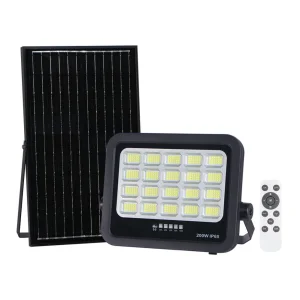
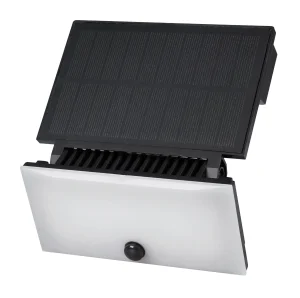
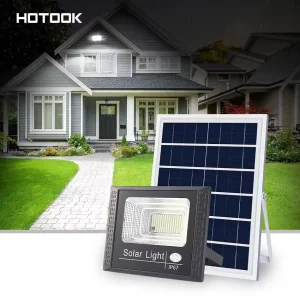
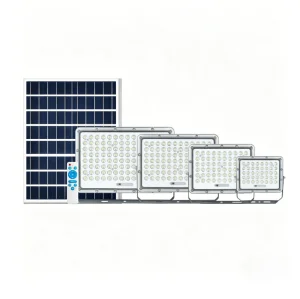
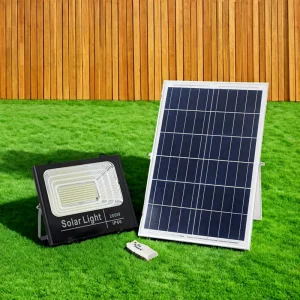
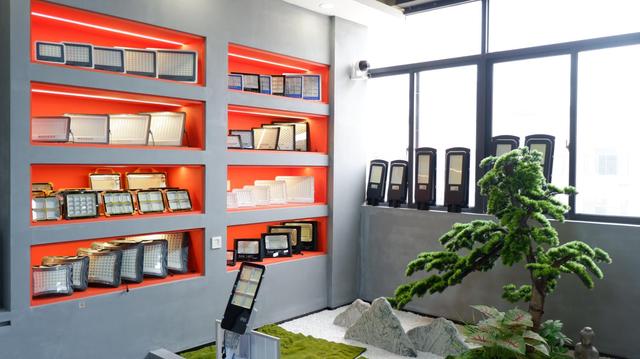
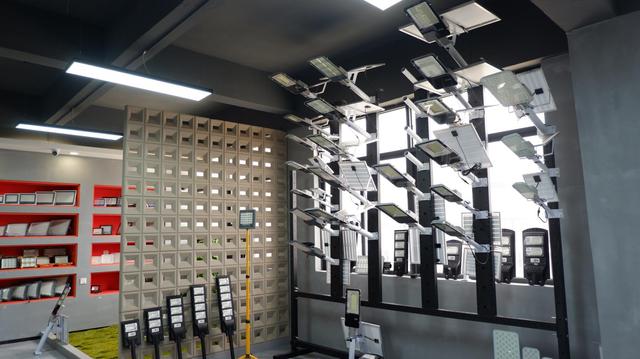
Engineered to withstand the elements, these high-output solar fixtures provide long-lasting, reliable illumination for perimeter security and open-space lighting projects.
Joliras operates a modern production facility in Foshan, China. Spanning 11,000 square meters, our facility houses assembly areas, precision tooling machinery, test labs, and warehouse space. This integrated footprint supports streamlined production schedules and consistent product quality for all custom OEM orders.

Deep dive details on battery chemistry, solar panels, and customization options for professional buyers and engineers.
 Joliras Light