Discover high-efficacy, durable, and sensor-driven solar flood lights built to withstand extreme environmental parameters.
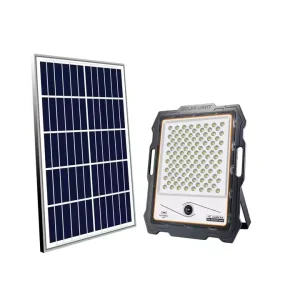
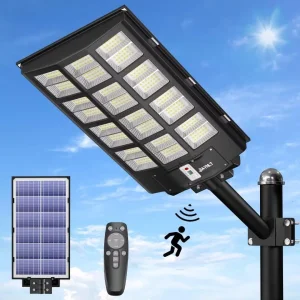
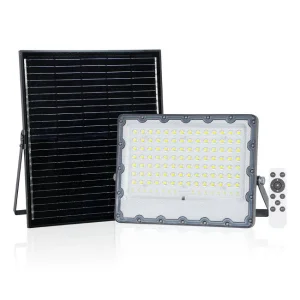
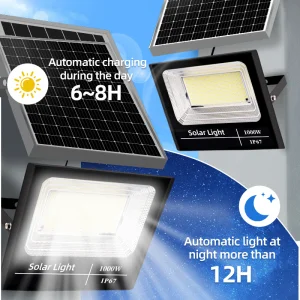
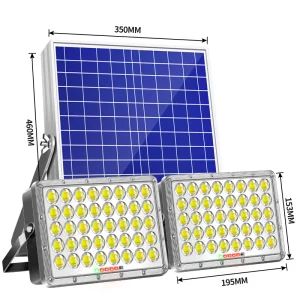
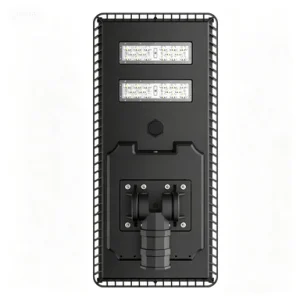
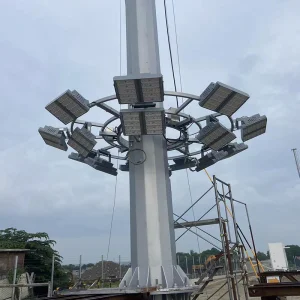
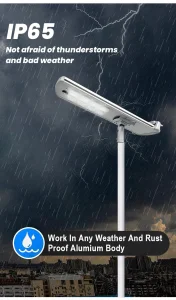
The global transition to sustainable, zero-emission outdoor infrastructure has shifted solar accent and security lighting from residential micro-applications into primary consideration for municipal, commercial development, and security frameworks. In the modern landscape, solar lighting is no longer just a passive utility; it is a smart node within urban planning ecosystems. Rising utility costs, grid vulnerability, and aggressive carbon-reduction mandates (such as the EU's CSRD and various Net-Zero goals in North America) drive logistics centers, industrial complexes, and municipal authorities to transition to decentralized off-grid lighting.
Advanced outdoor solar lighting configurations demand robust engineering methodologies to counteract variables such as irregular solar radiation (insolation), extreme temperature fluctuations, and continuous operation demands. To satisfy these requirements, system designs have integrated High-efficiency Monocrystalline Silicon photovoltaics, Lithium Iron Phosphate (LiFePO4) energy storage cells, and Maximum Power Point Tracking (MPPT) control algorithms to guarantee a unified energy budget, maintaining luminance standards through prolonged adverse weather conditions.
Bridging advanced engineering with automated production lines to deliver reliable, long-lifecycle solar lighting solutions.
Foshan Joliras Light Co., Ltd. is a prominent, professional manufacturer specializing in engineered solar flood lights and high-efficiency outdoor security lighting solutions tailored for global distribution. Established in 2013 and situated within the manufacturing hub of Foshan, Guangdong Province, China, the enterprise has scaled to become a premium OEM/ODM supplier. Our focus centers on delivering cost-efficient, high-performance solar lighting products constructed for rigorous commercial, industrial, municipal, and residential installations.
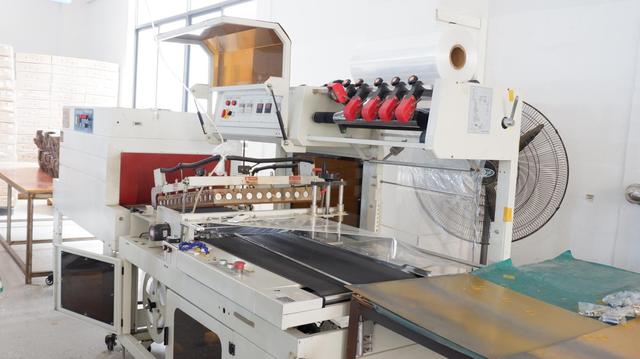
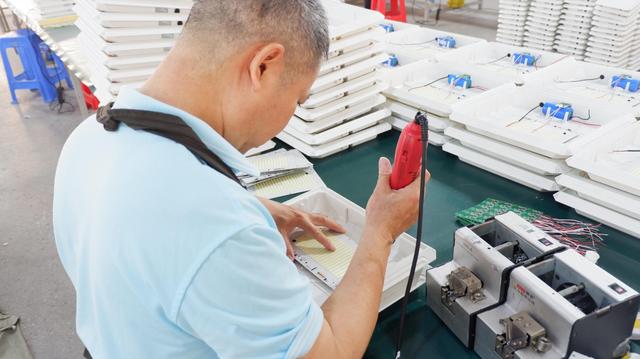
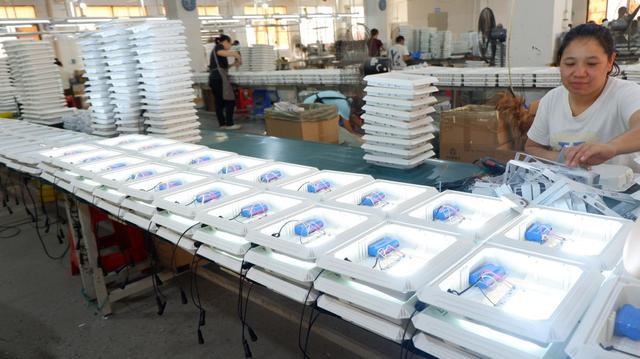
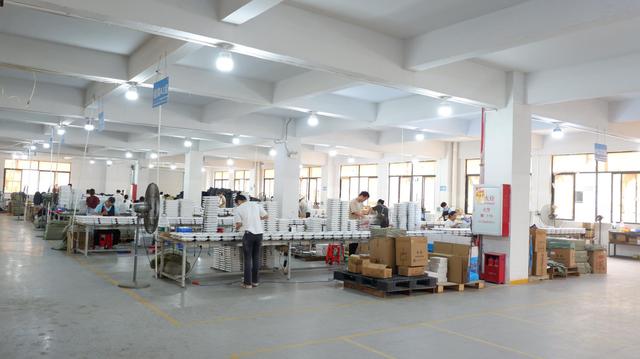
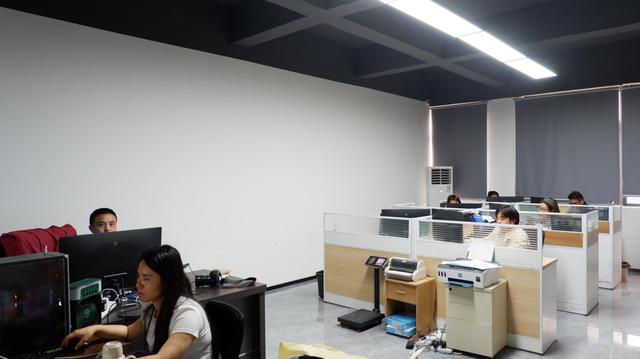
Operating a modernized, ISO9001-compliant production facility encompassing approximately 11,000 square meters, Joliras leverages advanced production machinery and automated assembly lines. Our workforce exceeds 160 specialists, consisting of structure and optical engineers, product designers, high-capacity production technicians, quality assurance inspectors, and global B2B service teams. This centralized engineering approach enables us to control tolerances, ensure battery balancing safety, perform precise photometric simulations, and maintain rigorous quality protocols to deliver consistent long-term durability in field environments.
As a seasoned OEM and ODM partner, Joliras supports international distributors, municipal contractors, lighting brands, and retail wholesalers. Our customization vertical includes deep product topology engineering: chassis structure design, customized optical distribution lenses, solar panel material configurations (monocrystalline vs. polycrystalline), energy storage scalability, smart management firmware optimizations, and professional branding/packaging layouts.

Engineered to excel. Our technology focus revolves around maximizing operational efficacy, system integration, and harsh climate resistance.
Replacing legacy PWM models with state-of-the-art Maximum Power Point Tracking (MPPT) logic. This achieves over 95% charging conversion efficiency, especially during overcast days.
Deploying automotive-grade Grade-A Lithium Iron Phosphate cells. Features advanced internal BMS protection, preventing thermal runaway and extending cycle-life past 3,500 charges.
Unifying high-definition security surveillance with energy-autonomous luminaire nodes. Providing real-time telemetry, remote cloud control, and motion tracking.
Within the framework of modern design engineering, Foshan Joliras Co., Ltd. continuously refines the synergy between three core sub-systems: the photovoltaic harvester, the battery system, and the LED luminaire engine. Our current R&D vectors prioritize the incorporation of intelligent IoT-enabled controllers. These components monitor historical environmental data to dynamically modulate brightness profiles, maintaining lighting availability even during seasonal insolation drops.
Moreover, our aluminum chassis development relies on finite element thermal simulations to optimize passive cooling fins. Because high temperatures degrade both LED luminous efficacy and battery health, our thermal management design prevents heat buildup, securing a prolonged operational lifetime in tropical and equatorial desert climates.
Large-scale distribution facilities require uninterrupted night operations. Grid-tied lighting systems involve expensive excavation, concrete-trenching, high cabling expenses, and compliance permitting. In remote logistics infrastructure, deploying high-power solar floodlights paired with adaptive smart microwave motion sensors cuts capital expenses (CapEx) and operational overhead. When motion is detected, the luminaires automatically increase from a power-saving dim mode to full light output, ensuring security, perimeter monitoring, and worker safety.
Modern highway infrastructure must remain functional even during natural disasters or main power grid outages. High-Mast LED solar floodlights equipped with IP67 waterproofing and robust mechanical wind-load ratings provide dependable structural lighting for crucial roadway junctions and high-traffic areas. By relying on high-lumen density LED arrays and optimized asymmetrical optical lenses, our systems reduce glare while maximizing horizontal light spread, ensuring uniform illumination and preventing dark spots.
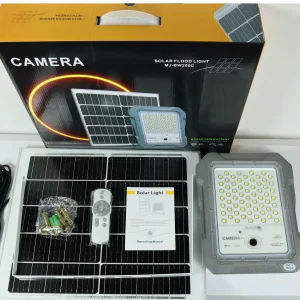
Mining operations, perimeter fencing, construction zones, and agricultural facilities often operate far from grid-tied electrical links. The integration of 1080p Full HD low-power CCTV cameras directly onto solar floodlight fixtures satisfies security and illumination needs within a single, autonomous unit. Built-in network communication modules transmit real-time video feeds to remote monitoring hubs, turning a simple luminaire into an intelligent remote guard post.
Hotels, resorts, and commercial campuses use architectural accent lighting to elevate branding and enhance safety. These projects require systems that deliver high Color Rendering Index (CRI > 80) performance and color temperature consistency. Custom-calibrated solar accent wall lights accent architectural details and light walkways. They operate independently of local building power, which simplifies installation and preserves historic or modern structures from invasive electrical remodeling.
Every luminaire model undergoes extensive QA/QC protocols to align with international regulatory guidelines.
Ensuring full compliance with safety, electromagnetic compatibility, and environmental protection frameworks required for European Union and international markets.
Testing in pressurized water chambers to verify ingress protection against heavy rain, dust storm filtration, and high mechanical impact resistance.
Every integrated Lithium battery batch is certified under UN38.3 standard protocols, guaranteeing safe international transport, shipping, and handling.
Addressing essential technical, logistical, and customization questions from engineers and procurement managers.
Maximum Power Point Tracking (MPPT) controllers monitor and adjust electrical input dynamically to maximize solar panel output. This increases charging efficiency by 15% to 30% compared to Pulse Width Modulation (PWM) controllers, especially in winter or during heavy overcast periods. This makes MPPT the standard choice for our commercial and industrial-grade high-lumen solar systems.
We use high-stability LiFePO4 cells paired with smart Battery Management Systems (BMS). For cold regions, we offer specialized thermal insulation packages. In high-temperature areas, our aluminum alloy fixtures use advanced thermal dissipation channels to protect battery cells and LEDs from heat stress, preventing degradation and extending operational life.
Yes. The system's power budget is calculated with safety margins. Both the camera and lighting program utilize smart power management, reducing LED brightness or utilizing low-power standby modes during prolonged periods without sunlight. This design supports continuous camera recording for up to 3 to 5 overcast days.
Our OEM/ODM services cover structural customizations, optical configuration adjustments (modifying lens angles or color temperatures), custom sizing of monocrystalline PV panels and LiFePO4 battery capacities, logo silk-screening, custom packaging design, and tailored controller programming (adjusting brightness curves, timing steps, and motion sensor behavior).
For standard models, the Minimum Order Quantity (MOQ) ranges from 50 to 200 units, depending on the product type. Standard B2B production lead times are typically 25 to 35 days following deposit confirmation and technical parameter sign-off. Sample evaluation runs can be completed within 7 to 10 working days.
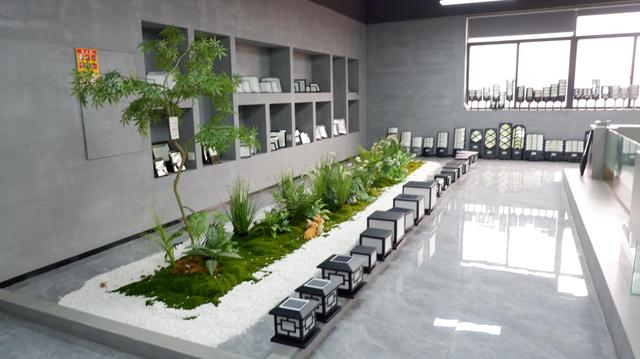
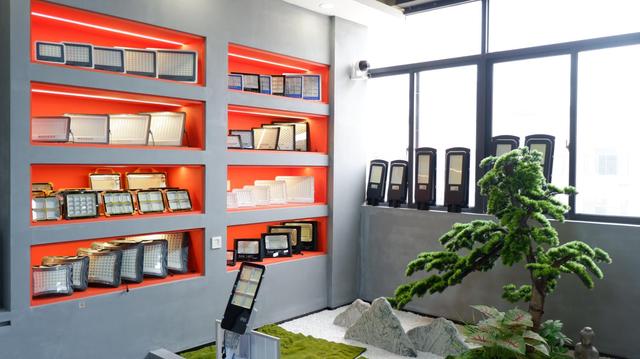
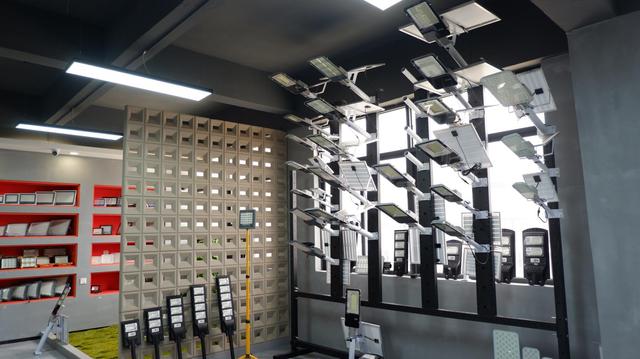
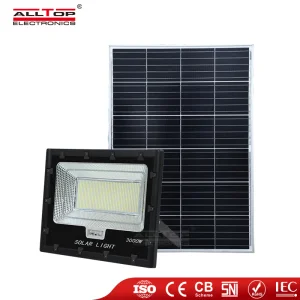
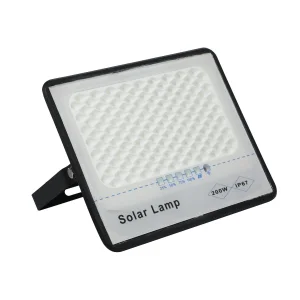
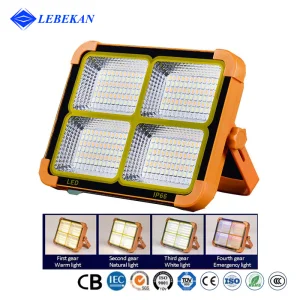
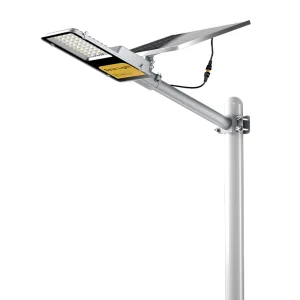
Compare our complete range of commercial outdoor solar floodlights and multi-angle security luminaires.
 Joliras Light