Explore our top-tier catalog of solar-powered lighting systems built for heavy commercial, industrial, and residential deployments.
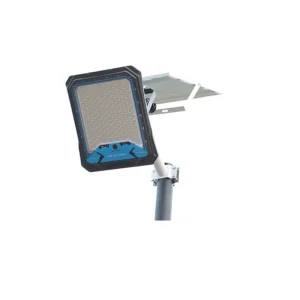
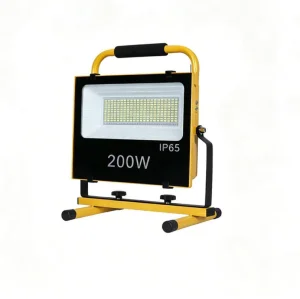
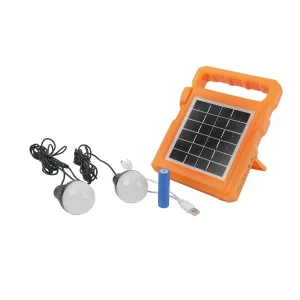
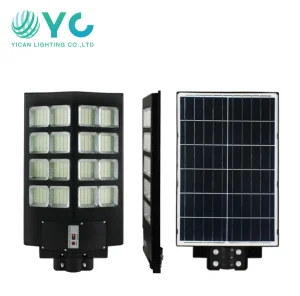
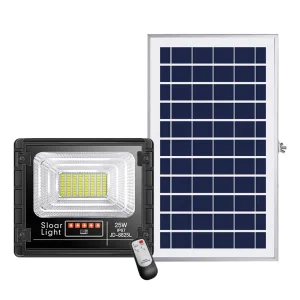
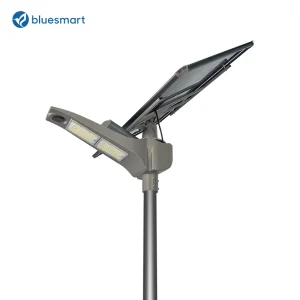
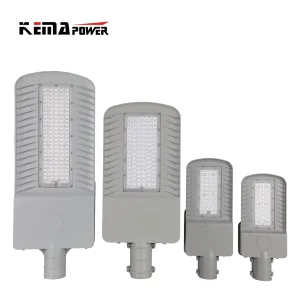
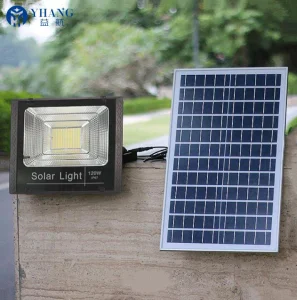
When procurement managers scout for the best solar night light factories, they look beyond mere assembly. The concentration of the solar supply chain in China, particularly in industrial clusters like Guangdong, provides unparalleled competitive advantages. Global brands leverage these hubs to achieve massive economies of scale, cutting-edge engineering R&D, and access to premium raw components.
From high-conversion monocrystalline solar panels (yielding up to 22-24% efficiency) to high-grade lithium iron phosphate (LiFePO4) storage batteries, Chinese manufacturers integrate the entire supply cycle under strict QC regimes. This vertically integrated landscape allows for rapid prototyping, lower per-unit cost, and dynamic capacity adjustments that local suppliers elsewhere cannot sustain.
In the modern solar illumination landscape, user intent spans across multiple performance thresholds. Corporate procurement divisions, construction managers, and municipal distributors do not simply purchase "lights"; they buy photovoltaic security and grid independence solutions.
The critical search parameters shift toward longevity metrics: continuous discharge capabilities during consecutive rainy days (autonomy days), intelligent micro-controller efficiency (MPPT vs. PWM controllers), and lumen-per-watt optimization. China-based facilities like Joliras align production directly with these technical intents, engineering systems that balance high light outputs with minimized heat emission profiles.
Established in 2013, Foshan Joliras Light Co., Ltd. has developed into a premier OEM and ODM manufacturer of solar security and outdoor illumination solutions.
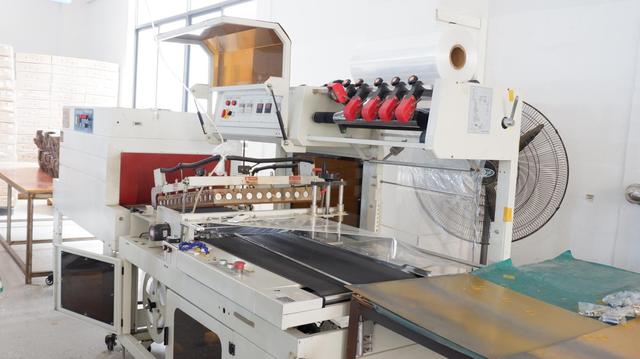
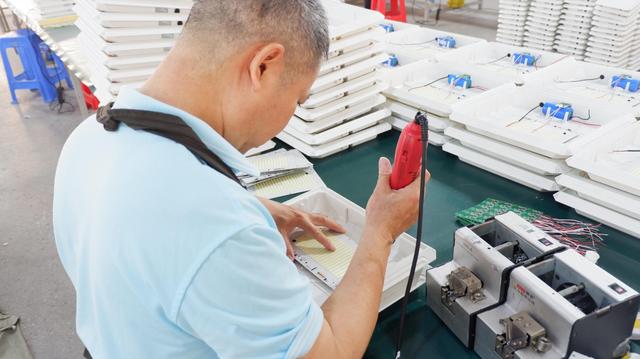
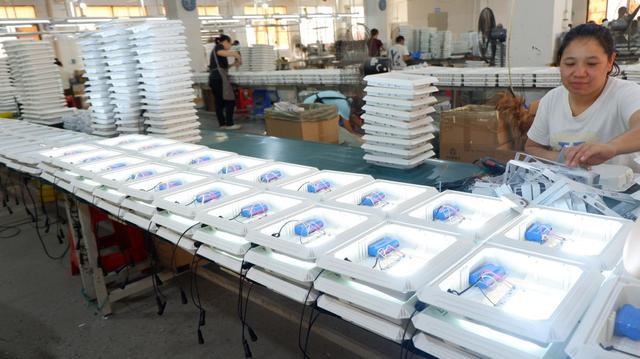
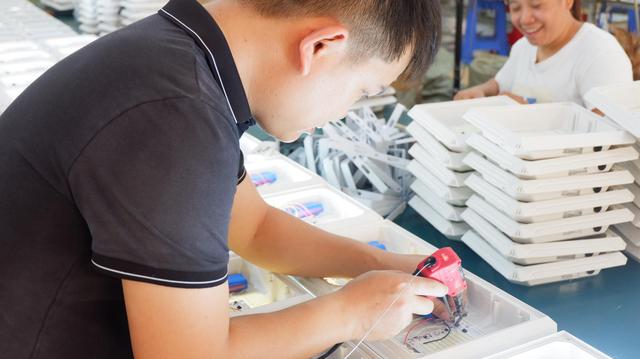
Operating from a state-of-the-art 11,000 square meter manufacturing base in Foshan, China, Joliras implements robust, automated assembly systems overseen by a workforce of more than 160 industry professionals. Our team includes senior optical engineers, structural designers, and strict quality assurance specialists who manage each batch from raw ingot validation to post-assembly aging chambers.
We focus on developing high-reliability outdoor security frameworks, high-power solar streetlights, wall-mounted solar night lights, and emergency illumination kits. Because we focus on B2B commerce, we support comprehensive custom branding, custom battery capacity configurations, solar panel sizing, and specific lumen output tuning to help global distributors command local market shares.
Our core mission revolves around sustainability, durability, and commercial-grade cost efficiency. By integrating smart controllers and Grade-A LiFePO4 cells, Joliras lighting products boast lifespans exceeding 50,000 hours, keeping installations maintenance-free for years.
Our worldwide footprint reaches importers and contractors in Europe, North America, Southeast Asia, and the Middle East, delivering optimized packaging, rapid container loading, and certified compliance documentation.
The solar night lighting sector is undergoing rapid evolution driven by energy density breakthroughs, wireless networks, and smart sensor modules.
Modern solar floodlights and night lights now combine illumination with surveillance. By integration of low-power 4G chipsets and PIR motion sensors, units act as standalone security nodes for perimeters, farms, and remote job sites.
Older lead-acid and standard ternary lithium batteries are replaced by Lithium Iron Phosphate (LiFePO4). This chemistry ensures over 2,000 to 3,000 charge-discharge cycles and operates safely in extreme temperatures (-20°C to 65°C).
Maximum Power Point Tracking (MPPT) micro-controllers dynamically analyze panel outputs. They increase charging efficiency by 15% to 30% compared to traditional PWM systems, especially during overcast days.
By grouping LEDs into modular optical blocks with custom PMMA lenses, light distribution pattern spreads are customized (Type II, III, and V) to minimize light pollution and maximize target area illumination.
Advancements in chip-on-board (COB) and surface-mount (SMD 3030/5050) LED chips yield higher lumens-per-watt ratios, sometimes exceeding 180lm/W, minimizing the battery bank footprint.
Large municipal installations implement Zigbee or LoRaWAN communication interfaces. This allows central operators to monitor real-time battery status, dim lighting remotely, and receive instant hardware fault reports.
Deploying solar night lights requires selecting precise configurations suited for regional infrastructure challenges and environmental conditions.
For housing developments, secure gated communities, and retail properties, lighting must be both high-performing and aesthetically clean. Integrating solar motion-sensor lights ensures that pathways, alleys, and perimeter fences are well-lit, deterring intrusion without increasing the property owner's electric grid footprint.
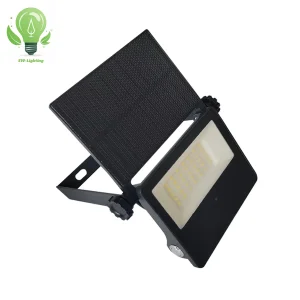
Wide loading docks, exterior shipping yards, and container hubs require continuous illumination for safety. Utilizing high-wattage (300W to 500W) solar floodlights with wide beam angles ensures forklift operators have adequate visibility. Off-grid operation means these networks remain functional even during municipal grid failures.
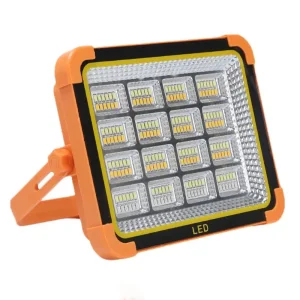
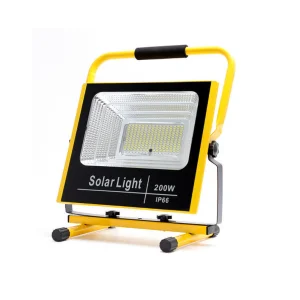
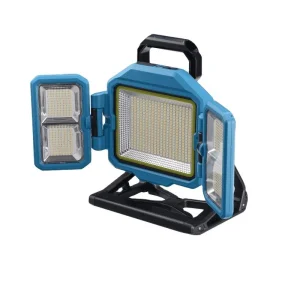
In regions affected by earthquakes, hurricanes, or containing un-electrified terrain, portable solar emergency kits and folding worklights are vital assets. Rapid-deployment kits allow responders to set up high-lumen floodlights and mobile device charging hubs instantly using integrated monocrystalline charging mats.
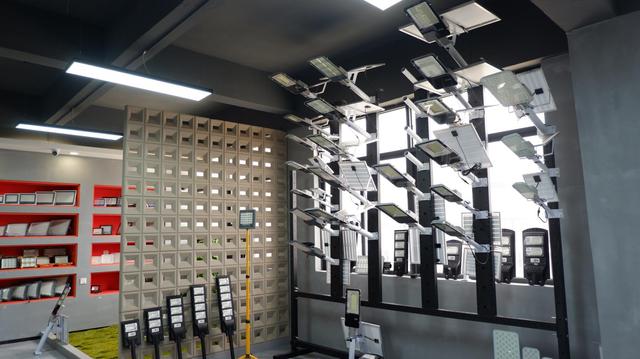
Under our strict zero-defect policy, we invite prospective B2B buyers to look inside our manufacturing lines, SMT automation, and testing chambers.
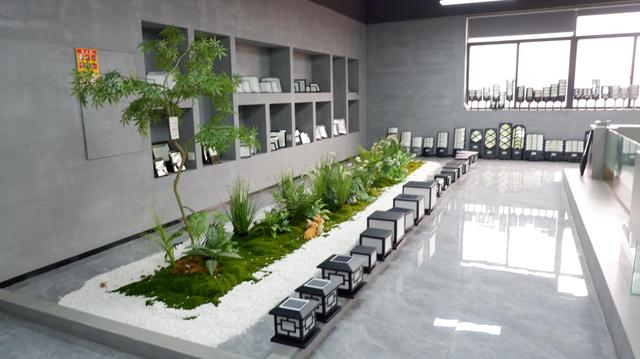
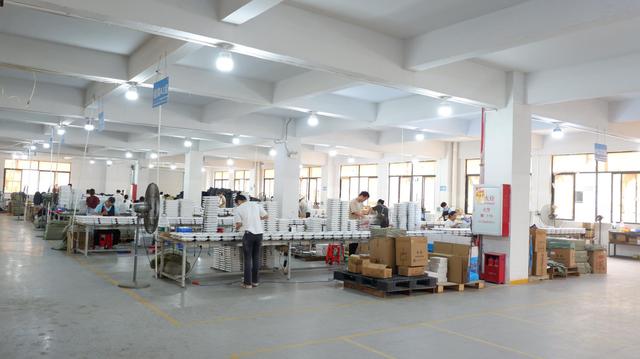
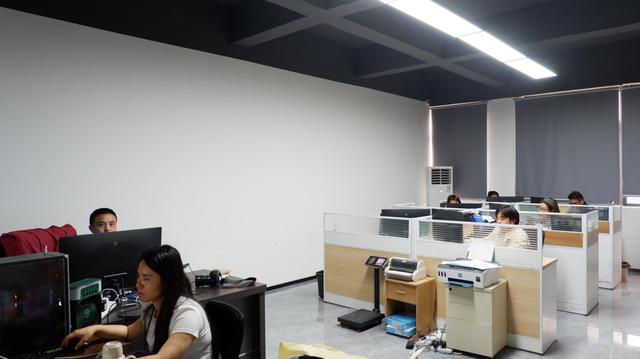
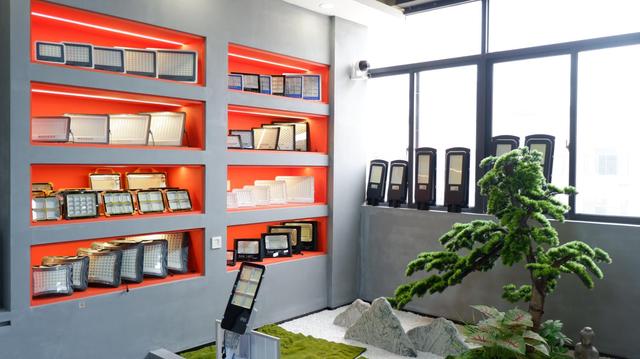
Answers to critical technical queries frequently raised by electrical engineers, distributors, and global sourcing agents.
We source brand new, Grade-A Lithium Iron Phosphate (LiFePO4) cells. Under standard operating conditions (80% Depth of Discharge or DoD at 25°C), our battery systems achieve over 2,500 continuous cycles before the nominal capacity drops below 80%. This guarantees between 5 to 7 years of daily charging performance, outlasting traditional ternary lithium cells.
Our premium streetlights undergo strict IP68 ingress testing. We construct our housings using die-cast aluminum alloys treated with electrophoretic paint and powder coating. Connections are sealed using high-tensile silicone rings and waterproof PG glands, preventing high-pressure water ingress and acidic salt-air corrosion typical of coastal regions.
For standard logo silkscreen branding and custom packaging boxes, our MOQ typically starts at 500 units. For intensive custom engineering demands—such as modifying the battery size, integrating 4G security protocols, or adjusting custom optical lenses—the MOQ is calculated based on raw extrusion tooling parameters.
Our systems feature "Autonomy Design." Through our smart MPPT charge controllers and specialized dimming profiles (e.g., full power for the first 3 hours, followed by motion sensor triggers or dimmed outputs), our solar lights operate reliably for 3 to 5 consecutive rainy days without receiving a full charge.
Yes. We offer options to integrate IoT-compatible wireless modules using LoRaWAN or Zigbee protocols. This permits remote municipal monitoring of panel inputs, real-time battery voltage metrics, customized light dimming cycles, and immediate failure notifications through centralized utility dashboards.
Thermal management is critical for LED chip lifespan. We use integrated heat sinks with thick aluminum fins designed directly into the outer chassis. This structure draws heat away from the PCB using high-efficiency thermal grease, keeping junction temperatures below 75°C to protect light output stability.
Discover more high-output outdoor illumination models designed for high wind load durability, off-grid performance, and easy installation.
 Joliras Light