Outdoor solar flood lights are a great addition to any home. They provide security, enhance aesthetics, and can save energy costs. However, knowing how to maintain outdoor solar flood lights is essential for their longevity. Many users overlook regular maintenance and face issues with performance.
Proper care ensures that these lights shine bright. Neglecting the solar panels can lead to reduced efficiency. Cleaning them regularly prevents dust and debris buildup. Also, battery replacement is often overlooked. Regular checks on the batteries can extend the lights’ lifetime significantly.
Weather conditions can impact functionality. Harsh rain, snow, or extreme heat can damage components. Thus, regular inspections for wear and damage are crucial. Taking proactive steps can make a difference in preserving your investment. With the right approach, your solar flood lights will provide consistent performance year after year.
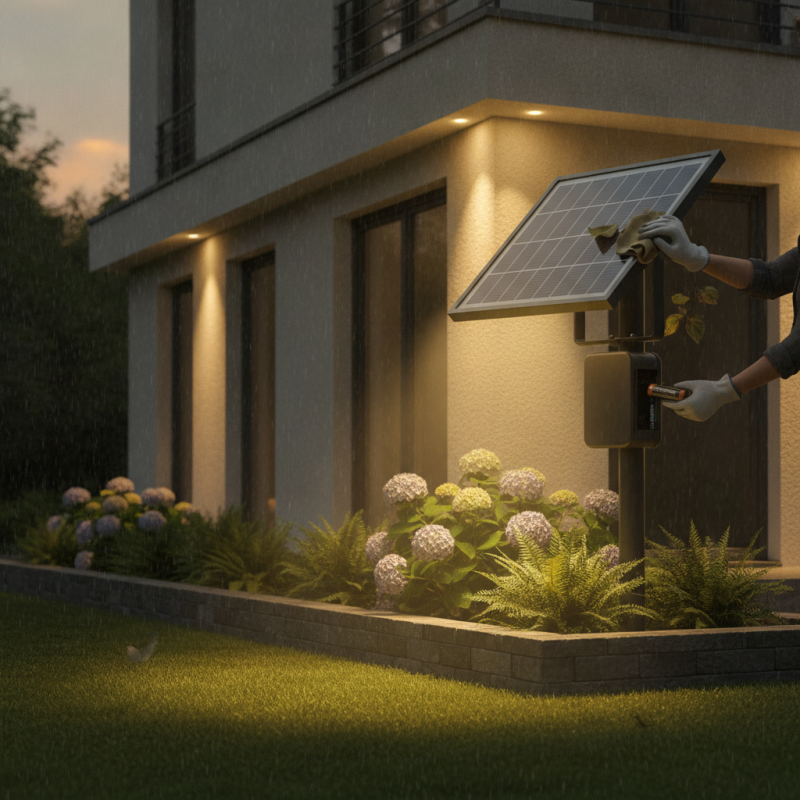
Understanding the components of outdoor solar flood lights is essential for long-lasting performance. These lights typically include solar panels, batteries, LED lights, and sensors. Each component plays a key role in ensuring optimal functionality.
Solar panels convert sunlight into energy, powering the rest of the system. The efficiency of these panels can vary. Regular cleaning is often overlooked, impacting their performance.
Batteries store energy collected during the day. It's important to monitor their condition regularly. Over time, battery performance may decline. Noticing dim lighting can be a sign of issues. LED lights are energy-efficient but can also fail. Inspecting them periodically ensures that they provide adequate illumination. Sensors detect motion and light levels, adapting the light's behavior accordingly. Misalignment or dirt can hinder their effectiveness, causing unexpected behavior.
Maintenance and care for these components can be tricky. Finding the right balance is necessary. Overdoing cleaning or maintenance can damage sensitive parts. Observing how your system operates will help you learn its needs. Keeping an eye on the signs will lead to better performance and longer life for your solar flood lights.
Regular cleaning is crucial for maximizing the efficiency of outdoor solar flood lights. Dust, dirt, and debris can accumulate on solar panels, reducing their ability to absorb sunlight. A study by the National Renewable Energy Laboratory found that a significant drop in energy production could occur with just a thin layer of dust on solar surfaces. Cleaning your solar panels regularly can enhance their performance by as much as 20% in certain conditions.
When cleaning solar panels, use soft materials like microfiber cloths. Avoid abrasive tools that can scratch the surface. It’s recommended to clean the panels at least twice a year, or more frequently in dusty areas. During rainy seasons, panels may stay cleaner, but a check on their condition is still wise. Small inconsistencies in cleaning habits can lead to major performance issues over time.
Remember, efficient solar panels lead to lower energy costs and extended lifespan for your lighting. Neglecting maintenance can result in diminishing returns. By committing to regular cleaning, you ensure optimal performance for years ahead, reflecting an investment in sustainability and efficiency. Don’t overlook these small but significant upkeep tasks.
| Tip Number | Tip Description | Frequency | Expected Outcome |
|---|---|---|---|
| 1 | Regularly clean the solar panels to remove dirt and debris. | Monthly | Improved efficiency of energy absorption. |
| 2 | Check for obstructions that may cast shadows on the panels. | Every 3 months | Maximized solar exposure for better lighting. |
| 3 | Inspect the battery for corrosion or damage. | Bi-annually | Ensure reliable operation and longevity. |
| 4 | Replace any damaged or old batteries. | Annually | Better power retention and lighting duration. |
| 5 | Adjust the angle of the solar panel for optimal sunlight. | Seasonally | Increased solar energy capture throughout the year. |
| 6 | Upgrade to more efficient solar panels if necessary. | Every few years | Long-term energy savings and enhanced performance. |
| 7 | Ensure the lights are securely mounted and stable. | Monthly | Reduced risk of damage from wind or weather. |
| 8 | Keep the area around the lights clear of vegetation. | Monthly | Avoid shadowing and maintain lighting efficiency. |
| 9 | Test the sensors to ensure they are functioning properly. | Quarterly | Reliable and automatic operation. |
| 10 | Consider professional maintenance if needed. | As needed | Ensured long-term performance and efficiency. |
When adjusting the position of your outdoor solar flood lights, focus on ensuring optimal sun exposure. Ideally, place them in areas that receive full sunlight for at least six hours a day. According to the U.S. Department of Energy, maximizing sun exposure can increase battery efficiency by up to 30%. Even small adjustments can make a significant difference.
Consider the path of the sun throughout the day. Early morning and late afternoon light can differ drastically. Trees, buildings, and fences can create shadows, reducing light absorption. Regularly check the position of your lights to avoid obstructions caused by seasonal growth. A study by the Solar Energy Industries Association indicates that improper positioning can lead to a 50% decline in overall brightness.
Weather conditions can also affect sunlight exposure. Areas with frequent heavy cloud cover may not charge lights effectively. Monitor local weather patterns to make informed decisions about positioning. If solar lights consistently underperform, it may be time to rethink their placement. Periodic repositioning can be beneficial in adapting to changing environmental factors.
Proper battery maintenance is essential for outdoor solar flood lights to ensure their longevity. Begin by checking the batteries regularly. This simple step can reveal a lot about their condition. Clean their terminals to prevent corrosion. A clean connection guarantees better performance. If the lights flicker or dim, it might be time to replace the batteries.
Using high-quality batteries can make a difference. Look for rechargeable options specifically designed for solar applications. They often hold a charge longer and provide consistent light. However, even the best batteries may not last forever. Monitor their lifespan and replace them when needed. Ensure you fully charge the batteries before the first use. This step enhances their overall lifespan.
Consider the seasonal changes too. In colder months, battery efficiency may drop. Adjusting the solar panel angle can help optimize sunlight absorption. Positioning them wisely ensures they receive adequate sunlight daily. Evaluate their setup every few months. Reflect on whether your lights perform as expected. Taking these steps will enhance the operation of your solar flood lights significantly.
Extreme weather can significantly impact outdoor solar flood lights. Preparing them requires understanding conditions they might face. Harsh temperatures, snow, and heavy rains can affect performance and durability. According to a study by the Solar Energy Industries Association, proper seasonal care can prolong the lifespan of these lights by up to 20%.
One important tip is to regularly clean the solar panels. Dirt and debris can block sunlight, reducing efficiency. Aim for monthly cleaning, especially after storms. A soft cloth can help prevent scratching. Additionally, ensure the panels are positioned correctly. They should receive maximum sunlight exposure throughout the day.
During winter months, consider removing lights to protect them from snow accumulation. If left outdoors, heavy snow can cause physical damage. Storing them in a dry area can prevent potential issues. Regularly check battery health, too. Replace batteries when they show signs of wear. This proactive approach can maintain optimal performance in extreme conditions.
: Regular cleaning maximizes solar panel efficiency by removing dust and debris, which can block sunlight.
Cleaning can enhance performance by up to 20% in certain conditions, according to research.
Use soft materials like microfiber cloths. Avoid abrasive tools to prevent scratches.
Cleaning at least twice a year is recommended, especially in dusty areas.
Check the battery condition; it may be time to replace them for better performance.
Proper battery care, such as cleaning terminals and using high-quality batteries, ensures longevity.
Clean panels regularly and consider storing lights in winter to protect from snow.
Battery efficiency can drop in colder months, so monitor their condition regularly.
Neglect can lead to diminished returns and reduced efficiency over time.
Reflect on their performance every few months and make adjustments as needed.
To effectively understand how to maintain outdoor solar flood lights, one must first familiarize themselves with the key components, including solar panels, batteries, and lights. Regular cleaning of the solar panels is essential to enhance their efficiency, as dirt and debris can block sunlight absorption. Additionally, adjusting the position of the lights to ensure optimal sun exposure will further improve performance.
Battery maintenance is critical for prolonging the operating life of solar flood lights; regularly checking for any signs of wear and replacing batteries as necessary can prevent potential failures. Seasonal care is equally important, as preparing lights for extreme weather conditions can ensure they remain functional year-round. By following these tips, you can enhance the longevity and efficiency of your outdoor solar flood lights.

Joliras Light