The efficient functioning of solar flood lights is crucial for outdoor spaces. However, many users face the issue of their solar flood lights draining too quickly. John Smith, a renowned solar energy expert, states, “Understanding why do solar flood lights drain fast is key to maximizing their efficiency and lifespan.” This statement highlights the importance of delving into the factors influencing battery performance.
In recent years, the growing popularity of solar flood lights brings attention to this issue. Factors such as poor battery quality, insufficient sunlight, and high energy consumption all play a role. For example, placing solar panels in shaded areas can significantly reduce their ability to charge effectively. Users often underestimate how these variables impact performance.
Furthermore, many people overlook the importance of regular maintenance. Dust and debris can block sunlight from reaching the solar panels. This oversight contributes to the quick drainage of batteries. By exploring the reasons behind "why do solar flood lights drain fast," users can adopt better practices for installation and maintenance, ensuring their systems work optimally. Understanding these elements is essential for anyone relying on solar flood lights.
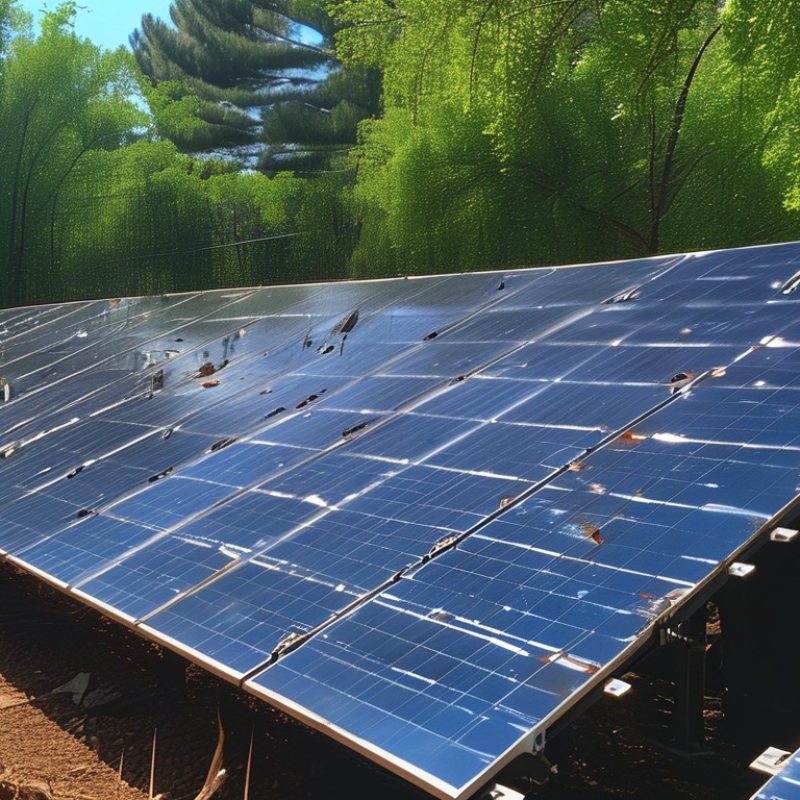
Understanding solar flood lights and their battery systems is crucial for effective use. Solar flood lights rely on the energy harvested from the sun, but they are not without their challenges. The efficiency of their battery systems is a major factor in performance. According to the U.S. Department of Energy, solar batteries typically degrade over time, leading to reduced capacity. Poorly maintained battery systems can drain faster, limiting the light's utility.
One common issue is insufficient sunlight exposure. Solar flood lights require direct sunlight to recharge efficiently. A study from the National Renewable Energy Laboratory indicates that solar panels can lose up to 20% of their efficiency due to shading. Hence, even minor obstructions can hinder battery performance. Additionally, the battery type used affects longevity. Lithium-ion batteries tend to perform better than lead-acid ones, but they can be more sensitive to temperature fluctuations.
Furthermore, environmental factors play a role in battery drain. High humidity and extreme temperatures can lead to increased discharge rates. Proper placement of solar flood lights can mitigate some of these issues. However, many users neglect the importance of regular maintenance and check-ups. Regularly cleaning solar panels can enhance their efficiency, as dirt and debris accumulate over time. Understanding these nuances can help users maximize their solar flood lights' efficiency.
Solar flood lights are a great way to illuminate outdoor spaces, but their batteries often drain faster than expected. Several common reasons contribute to this issue, mainly related to environmental factors and design limitations. Poor sunlight exposure is one major reason. If your solar panels do not receive adequate sunlight, they won't charge effectively. This can happen due to shade from trees or buildings.
Another factor is battery quality. Low-quality batteries can degrade quickly, reducing their capacity. Additionally, extreme temperatures can affect battery performance. In cold weather, batteries may not hold charge well. During heat waves, overheating can lead to faster drain. Even installation location matters. Improper placement can hinder solar panel performance, leading to insufficient charging.
Users might also overlook maintenance. Dust and debris on solar panels can impair charging efficiency. It's essential to clean them regularly for optimal performance. Lastly, excessive lighting duration can drain the battery faster. Setting the lights to stay on longer than necessary can shorten their lifespan, prompting a reevaluation of usage settings. These factors invite reflection on how to enhance the efficiency of solar flood lights.
Solar flood lights are a popular choice for outdoor illumination. However, they can drain their batteries faster than expected. Various environmental factors come into play. For instance, prolonged cloudy days limit solar charging. This impacts the lights' performance significantly. If your area experiences frequent rain or overcast conditions, this could be a primary concern.
Temperature is another crucial factor. Extremely cold or hot weather can reduce battery efficiency. In winter, batteries may not hold a charge well. Conversely, excessive heat can lead to quicker battery depletion. It's essential to consider where the lights are installed. Shady spots won't capture enough sunlight. Dirt and debris on the solar panels can also hinder their ability to absorb solar energy effectively.
Proper placement and maintenance are vital. Regularly cleaning the panels can enhance their performance. Observing the weather patterns in your area is equally important. If conditions are regularly unfavorable, considering alternative lighting options might be necessary. Reflecting on these aspects can lead to more reliable outdoor lighting solutions.
Maintaining solar flood lights properly is crucial for enhancing battery lifespan. Regular cleaning of solar panels can significantly boost their efficiency. Dust and debris can obstruct sunlight, reducing energy absorption. According to industry data, dirty panels can decrease efficiency by up to 30%. Simply wiping them down every month can make a difference.
Temperature also affects battery performance. Optimal temperatures range between 20°C and 25°C. Extreme heat or cold can lead to faster drainage. A study showed that batteries tend to lose about 20% of their capacity in temperatures below 0°C. Storing lights indoors during severe weather can help mitigate this issue.
Lastly, using quality batteries is vital. Cheap alternatives may not last, leading to dissatisfaction. Investing in higher-quality options could initially be costlier, but studies indicate a lifespan increase of up to 50%. Selecting the right type of battery ensures that lights operate effectively and efficiently, providing reliable performance over time. Not all batteries are created equal, and acknowledging this disparity is important for long-term satisfaction.
Choosing the right solar flood light is crucial for achieving optimal energy efficiency. Solar flood lights depend heavily on their design and features for performance. For instance, lights with higher lumens output utilize more energy. According to industry data, lumens measure brightness but may not correlate with energy efficiency. Therefore, selecting lights with a balance of lumens and lower wattage can enhance performance during nighttime hours.
Another significant factor is solar panel quality. High-efficiency solar panels convert more sunlight into electricity. Some panels can reach efficiencies of 22% or more, as reported by leading energy research institutes. This means they can capture more energy on cloudy days or during winter months. However, many solar flood lights use lower-quality panels, leading to quicker energy depletion.
Battery capacity also plays an essential role in energy retention. Batteries rated with a higher capacity can store more energy, providing longer-lasting illumination. Research indicates that lithium-ion batteries often outperform nickel-based options in lifespan and efficiency. However, budget-friendly flood lights may opt for less efficient battery types. Buyers should consider these factors to ensure minimal energy drain and adequate performance.
: Cloudy days limit solar charging, reducing performance. Frequent rain can also impact the lights significantly.
Extreme temperatures can drain batteries faster. Cold weather reduces charge retention, while heat accelerates depletion.
Shady areas capture less sunlight. Proper positioning helps maximize energy absorption and improves overall performance.
Monthly cleaning is recommended. Dirt can reduce efficiency by up to 30%, affecting overall performance.
Quality matters. Higher-capacity lithium-ion batteries outperform cheaper, lower-quality alternatives and provide better efficiency.
Unfavorable weather can limit energy absorption. Observing local conditions helps determine if solar lights are suitable for your area.
Dirty panels hinder sunlight absorption. Regular maintenance is needed to keep solar lights performing well.
Yes, higher-quality batteries may cost more but can increase lifespan by up to 50%. It's worth considering for reliable performance.
Consider local weather patterns, battery quality, and placement. These factors affect efficiency and overall satisfaction.
Understanding why do solar flood lights drain fast is essential for optimizing their performance and lifespan. The article discusses several factors that contribute to rapid battery drain, including the efficiency of battery systems and common environmental influences such as temperature fluctuations and sunlight availability. Additionally, it emphasizes the importance of regular maintenance to extend battery life, including cleaning solar panels and checking battery health.
Choosing the right solar flood light can also significantly enhance energy efficiency, ensuring that these lights not only function well but also provide adequate illumination without frequent interruptions. By understanding these elements, users can better manage their solar flood lights and mitigate issues related to battery depletion.

Joliras Light