Top 10 Tips to Increase Brightness of Solar Flood Lights?

Time:2026-06-28 Author:Aria
0%

Solar flood lights are becoming increasingly popular due to their energy efficiency and ease of use. However, many users often wonder how to increase brightness of solar flood lights. Brightness is crucial for visibility and security in outdoor settings. By understanding a few key factors, you can enhance the lighting performance of your solar flood lights.

First, consider the location of your flood lights. They need exposure to direct sunlight for optimal performance. Sometimes, users overlook placement, which can lead to inadequate charging. Additionally, battery quality plays a significant role in brightness. Premium batteries hold more charge and can enhance the light output.

Another aspect involves the wattage of the solar panel itself. Higher wattage can lead to more light production. Reflecting surfaces around the light can also amplify brightness. While these tips may seem simple, properly implementing them may require some trial and error. Keep in mind, achieving the perfect brightness might take time and adjustments.
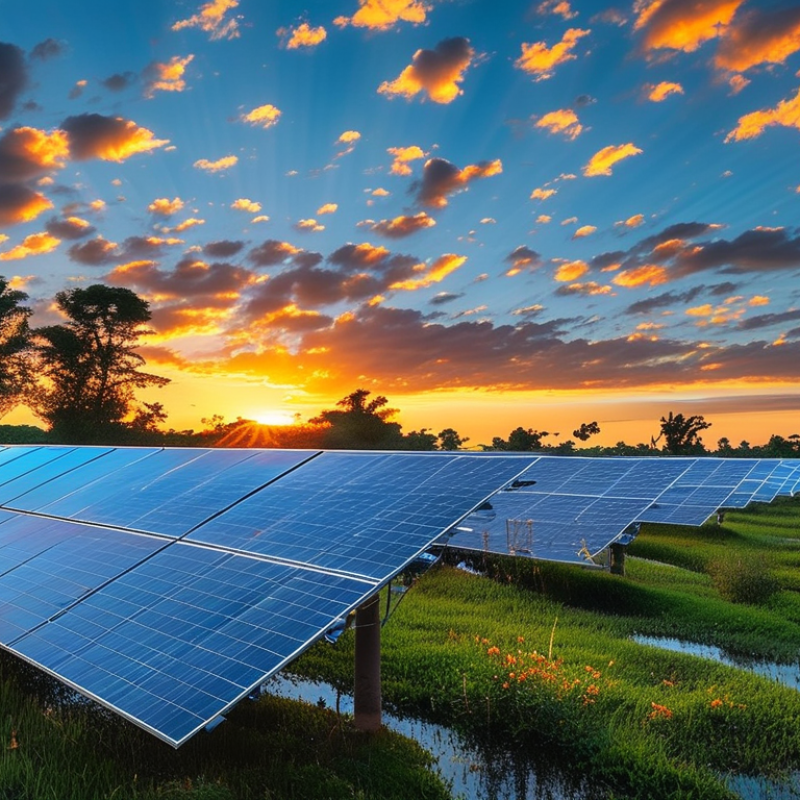
Top 10 Tips to Increase Brightness of Solar Flood Lights?

Understanding Solar Flood Light Technology

Solar flood lights have gained popularity due to their energy efficiency and convenience. Understanding their technology is vital for optimal performance. These lights use solar panels to convert sunlight into electricity. During the day, they charge internal batteries, which power the lights at night. However, the efficiency of this process can vary significantly based on several factors.

The placement of solar panels plays a crucial role. Panels should be positioned to receive maximum sunlight exposure. Even a small amount of shade can reduce charging efficiency. The angle of the panels matters too. An optimal angle can enhance energy absorption. Additionally, regular maintenance is essential. Dust and debris can block sunlight, affecting performance.

Most solar flood lights come equipped with built-in sensors. These sensors detect ambient light and automatically turn the lights on at dusk. However, relying solely on sensors may lead to underwhelming brightness. Users often overlook the importance of battery health. Old batteries may not hold a charge effectively, leading to diminished light output. Observing these factors ensures brighter and more reliable solar flood lighting solutions.

Choosing the Right Solar Flood Light for Brightness

When selecting solar flood lights for maximum brightness, consider lumens as a key indicator. The brightness of solar lights is often measured in lumens. A fixture offering 600 to 800 lumens is typically bright enough for medium areas. According to the U.S. Department of Energy, an ideal outdoor light should produce about 700 lumens for effective illumination. Many users opt for higher lumens, but they must balance this with battery capacity.


Pay attention to the solar panel efficiency as well. Quality solar panels can convert up to 22% of sunlight into electricity, significantly enhancing brightness potential. Ensure the solar panel is large enough to meet the demands of the LEDs. A common mistake is choosing fixtures based solely on brightness, neglecting energy sourcing. Brightness alone does not guarantee performance, especially in low sunlight conditions.


Also, consider the color temperature of the light. A cooler color temperature can create a perception of brightness, yet it may not illuminate spaces effectively. Many reports suggest a temperature range of 4000K to 6000K offers optimal visibility without compromising ambiance. Understanding these factors can guide choices toward effective and reliable solar flood lights, creating a balance between energy efficiency and desired illumination levels.

Optimal Placement and Positioning for Maximum Light Output

Placement and positioning are crucial for maximizing the light output of solar flood lights. A study by the National Renewable Energy Laboratory found that optimal angles can enhance performance by up to 30%. To achieve this, lights should be positioned to avoid obstructions. Trees, buildings, and fences can block light distribution.

Consider the height of the mounting pole. Installing lights at least 10 feet off the ground allows for a wider spread of illumination. This setup reduces shadows and improves brightness in the intended area. Additionally, placing lights on a south-facing wall ensures they harness maximum sunlight during the day.

Regularly assessing your setup can reveal areas for improvement. For instance, clouds or dust accumulation can decrease efficiency. Keeping solar panels clean is essential to maintain optimal performance. Remember that seasonal changes also affect sunlight exposure. Adjusting light positions throughout the year can significantly increase their effectiveness.

Maintenance Tips to Enhance Brightness Over Time

To maintain the brightness of solar flood lights over time, regular maintenance is crucial. A study by the Photovoltaic Research Institute indicates that well-maintained solar lights can retain over 80% of their initial brightness after five years. Dust and debris on solar panels significantly reduce efficiency. Wiping the solar panels with a soft cloth every few months can help sustain optimal performance.

Battery care also plays a significant role in brightness. Most solar flood lights operate on rechargeable batteries. A study by the Energy Storage Association found that battery health declines after two to three years of use. Regularly checking the battery's condition and replacing it when necessary can enhance brightness. Avoid deep discharges and extreme temperatures to prolong battery life.

Consider the placement of your solar flood lights. Positioning them in areas that receive maximum sunlight during the day ensures they charge fully. Supplemental power sources can be used to boost brightness during cloudy days. Routine inspections for any physical damages will also ensure longevity. Failing to care for these components can lead to unexpected reductions in light output.

Top 10 Tips to Increase Brightness of Solar Flood Lights

Tip Number Maintenance Tip Expected Impact Frequency
1 Regularly clean solar panels Increases light absorption Monthly
2 Check and replace batteries Maintains optimal brightness Annually
3 Ensure proper positioning Maximizes sunlight exposure As needed
4 Inspect wiring and connections Prevents power loss Every 6 months
5 Trim surrounding foliage Enhances sunlight access Seasonally
6 Use LED lights for replacement Improved brightness As needed
7 Review and adjust light settings Optimizes performance Monthly
8 Protect from extreme weather Maintains structural integrity As needed
9 Install additional panels if needed Increases energy supply Once
10 Regularly check for dirt and damage Ensures long-lasting brightness Monthly

Using Additional Reflective Surfaces to Increase Light Efficiency

Reflective surfaces can significantly enhance the brightness and efficiency of solar flood lights. By strategically placing reflective materials around these lights, you can maximize the light output. Research shows that reflective surfaces can increase light efficiency by 50% or more. This is crucial for illuminating larger areas or creating a more vibrant outdoor atmosphere.

Aluminum and mylar are two commonly used reflective materials. They can redirect the light emitted by solar flood lights, amplifying illumination. Positioning these surfaces at optimal angles can help capture and bounce light effectively. A study noted that adjusting the angle of reflectors increased accessibility to light by 30%. Additionally, uneven surfaces can create shadows, which may reduce overall brightness. Careful design can minimize these drawbacks.

Installing reflective surfaces requires some planning. Custom solutions may be necessary depending on the installation area's unique characteristics. While DIY projects can provide immediate benefits, constant maintenance is often overlooked. Regular checks ensure the reflectors remain free of dirt and debris. An optimal setup can yield brighter results and contribute to energy savings in the long run.

FAQS

: What is the primary function of solar flood lights?

: Solar flood lights convert sunlight into electricity to provide illumination at night.

How do solar panels affect the performance of flood lights?

Solar panels must be positioned for maximum sunlight exposure. Shade reduces charging efficiency.

Why is the angle of solar panels important?

An optimal angle can enhance energy absorption, improving overall light output.

What maintenance is required for solar flood lights?

Regularly clean solar panels to remove dust. This prevents blockage of sunlight.

How do built-in sensors work in solar flood lights?

Sensors detect ambient light and turn on the lights. However, brightness may be inadequate at times.

How does battery health impact solar flood light performance?

Old or weak batteries may not hold charge, leading to lower light levels.

What height should solar flood lights be mounted for best results?

Installing lights at least 10 feet high improves coverage and reduces shadows.

How does weather influence solar flood light effectiveness?

Seasonal changes, clouds, and dust can affect sunlight exposure and efficiency.

What is a common mistake made by solar flood light users?

Overlooking regular assessments of the setup can lead to decreased performance.

Should solar flood lights be repositioned over time?

Yes, adjusting positions can maximize effectiveness throughout different seasons.

Conclusion

In the quest to understand how to increase the brightness of solar flood lights, several factors come into play. First, familiarizing oneself with solar flood light technology is essential, as it allows for informed decisions when selecting lights based on their lumens output and efficiency. Choosing the right model can significantly enhance brightness, particularly when high-quality solar panels and batteries are involved.

Moreover, optimal placement and positioning of these lights are crucial. Positioning them in areas that receive ample sunlight ensures they charge effectively, resulting in brighter light output at night. Regular maintenance is also vital; cleaning solar panels and checking for obstructions can prolong brightness over time. Additionally, incorporating reflective surfaces around the lights can amplify light efficiency, directing more illumination where it's needed. Overall, these strategies collectively inform users on how to increase brightness of solar flood lights effectively.

Aria

Aria

Aria is a dedicated marketing professional with a deep passion for innovative strategies and a keen understanding of our company's product offerings. With a wealth of experience in the industry, Aria excels at crafting engaging content that highlights the unique features and benefits of our......