As colder months approach, many wonder, "can solar flood lights work in winter?" This query highlights a prevalent concern for those relying on solar energy. Industry expert, Dr. Emily Carter, emphasizes, "Solar lights can perform adequately in winter, but efficiency may vary." According to a report by the Solar Energy Industries Association, solar panel efficiency can drop significantly in colder climates, particularly under snow cover.
Interestingly, solar flood lights can still operate effectively despite lower temperatures. However, they may require some adjustments. The presence of snow, for instance, can obscure sunlight from reaching the panels, leading to reduced charging capacity. Proper placement of lights is crucial. Ensuring they are installed at angles that maximize sun exposure can improve performance.
Moreover, battery capacity and lifespan can be influenced by extreme cold. Users must monitor their systems' efficiency during winter months. Regular maintenance and understanding your specific system's limits are essential. There remains a need for further research in optimizing solar technology for harsher climates. Ultimately, while solar flood lights can be functional in winter, their effectiveness may not meet everyone’s expectations.
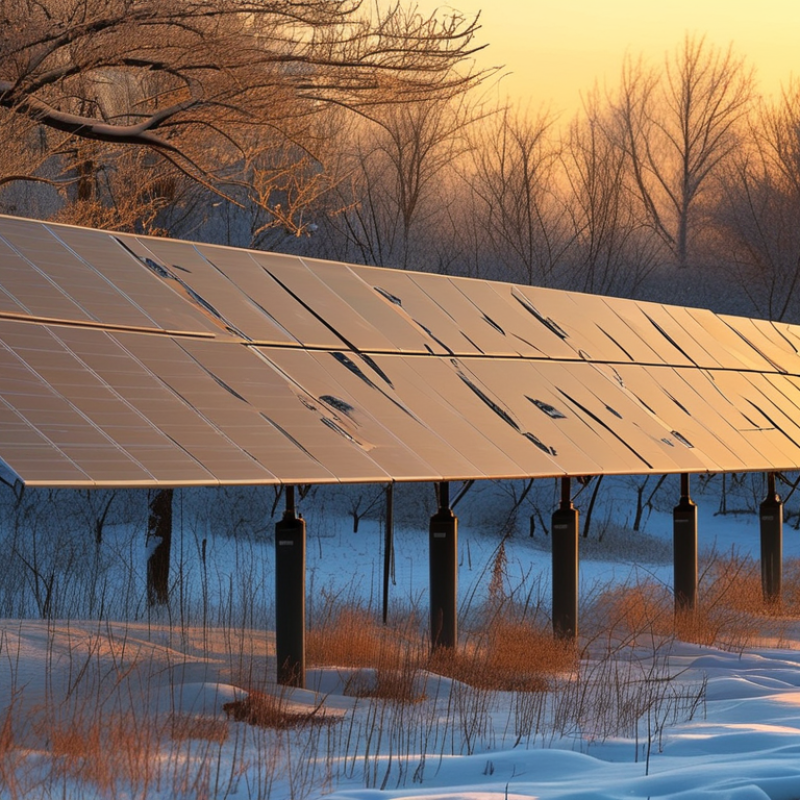
Solar flood lights are often overlooked in winter months. Many users assume they won't function effectively due to short days and cold weather. However, understanding their technology can help harness their potential during this season.
Solar flood lights convert sunlight into energy. This process relies heavily on sunlight intensity and duration. In winter, reduced daylight affects this conversion. Studies show a 20-30% decrease in energy generation during the winter months. Snow and cloud cover can further hinder performance. Users need to place these lights carefully. Positioning them in areas that receive maximum sunlight exposure is crucial.
Batteries also play a significant role. Cold temperatures can reduce battery efficiency, impacting performance. Reports indicate that battery capacity can decline by as much as 15% in colder climates. Regular maintenance checks ensure optimal functionality. Keeping solar panels clean from snow and debris can enhance performance. Investing time in understanding these factors can lead to a more effective winter lighting solution.
When considering solar flood lights in winter, several factors can impact performance. Solar panels rely on sunlight to charge, and during winter, days are shorter and clouds are more common. According to the National Renewable Energy Laboratory, solar irradiance can drop by 30-50% in colder months. This reduced sunlight can lead to insufficient energy storage for longer usage periods.
Snow accumulation can also obstruct solar panels. When snow covers the panels, they may become less effective in converting solar energy. A study by the Department of Energy highlights that even a few inches of snow can significantly reduce energy capture. Additionally, colder temperatures can reduce battery efficiency. Batteries typically perform poorly below 32°F, leading to diminished output.
Adjusting the installation of solar flood lights can help. Positioning panels at an angle can prevent snow accumulation. Frequent maintenance is crucial too. Regularly clearing debris and checking battery health enhances performance. Understanding these cold-weather conditions can significantly improve the functionality of solar flood lights during winter months.
Maintaining solar flood lights during winter is crucial for optimal performance. Cold temperatures and snow can diminish their effectiveness. To ensure they last, start by keeping the solar panels clean. Snow can accumulate on panels, blocking sunlight. A gentle brush or cloth can help clear off any debris.
Another essential tip is to check the battery’s condition regularly. Cold weather can affect battery efficiency. If you notice dimming lights, it might be time to replace the battery. Investing in high-quality batteries designed for winter use can make a significant difference.
Lastly, consider the placement of your solar lights. Position them where they receive maximum sunlight during the day. Avoid areas shaded by trees or buildings. Even in winter, direct sunlight can enhance their performance. Regular checks and adjustments can ensure your solar flood lights stay functional.
| Tip | Description | Importance | Frequency |
|---|---|---|---|
| Regular Cleaning | Clean the solar panels monthly to remove snow, dirt, and debris that block sunlight. | Essential for optimal performance. | Monthly |
| Correct Positioning | Ensure the lights are positioned in a sunny spot for maximum exposure. | Increases energy collected during the day. | At installation and as needed |
| Battery Maintenance | Check and replace batteries annually to ensure reliable performance. | Maintains light output on cloudy days. | Annually |
| Avoid Obstructions | Trim any nearby trees or shrubs that may cast shadows on the solar panels. | Maximizes sunlight access. | Seasonally |
| Install in Optimal Weather | If possible, install solar lights during milder weather to avoid frost or heavy snow. | Ensures easy installation and functionality. | As needed |
To enhance the performance of solar flood lights in winter, proper placement is crucial. Position the lights where they receive maximum sunlight during the day. Roofs, open fields, or areas without obstructions are ideal. Solar panels depend heavily on sunlight for charging, so avoiding shaded locations is essential.
Consider the angle of the sun in winter. The sun is lower in the sky, meaning lights should be tilted accordingly. Direct sunlight increases the energy collected, improving brightness at night. Additionally, snow accumulation can hinder performance. Regularly clear snow from the panels to ensure continuous operation.
Sometimes, it’s easy to overlook the seasonal changes in light availability. Monitoring performance weekly can reveal if adjustments are needed. If lights dim significantly, reassess their locations. Remember, even the best setup may need tweaking. Adapting to environmental changes ensures effective illumination in cold months.
When selecting solar flood lights for year-round use, it’s crucial to consider their performance in winter conditions. Research shows that solar panels lose efficiency as temperatures drop. In fact, solar panels can produce up to 25% less energy in colder weather. This means winter sunlight, although less intense, must still be maximized to keep lights functioning properly.
Opt for solar flood lights equipped with high-efficiency photovoltaic cells. These cells capture more sunlight and convert it into usable energy, even during cloudy days. Look for lights with a battery capacity that can withstand extended periods of low sunlight. Reports suggest that lithium-ion batteries perform better in cold temperatures compared to older lead-acid types. This factor can significantly impact the reliability of your lighting during winter.
Installation location also affects function. Position lights where they can receive direct sunlight, avoiding shaded areas. Be aware of the potential for snow accumulation on panels, which can obstruct light absorption. Additionally, consider lights with motion sensors. They can conserve battery life by operating only when needed, ensuring that you have illumination during evenings when the need is greater.
: Yes, they can still function, but performance may decrease due to shorter days and cold weather.
Studies show a 20-30% decrease in energy generation during winter months.
Yes, snow can block solar panels and significantly reduce their ability to capture energy.
Check the battery condition; cold weather may affect its efficiency. It might need replacement.
Position the lights for maximum sunlight and keep the panels clean from snow and debris.
Proper placement ensures they receive enough sunlight, enhancing their energy conversion.
Regular checks for snow and battery health are essential throughout winter.
Yes, battery capacity can decline by up to 15% in colder climates, affecting performance.
Installing panels at an angle can help prevent snow accumulation and ensure better sun exposure.
They may work, but cloudy conditions can reduce their effectiveness due to lower sunlight availability.
In examining the question of "can solar flood lights work in winter," it’s essential to understand their functionality and the challenges they face during colder months. The performance of solar flood lights is influenced by factors such as reduced sunlight exposure, battery efficiency in low temperatures, and the accumulation of snow or ice. To maximize their effectiveness in winter, proper maintenance is crucial. Regularly clearing debris and snow from the panels can enhance sunlight absorption.
Additionally, the optimal placement of solar flood lights plays a significant role in ensuring they receive adequate sunlight, even during shorter daylight hours. Choosing the right type of solar flood light, designed for year-round use, can significantly improve winter performance. By following these tips, users can ensure their solar flood lights remain functional and effective throughout the winter season.

Joliras Light