When considering outdoor lighting solutions, the question arises: are solar flood lights waterproof? Solar flood lights offer energy-efficient illumination, making them popular for gardens and pathways. However, the durability of these lights in wet conditions deserves attention.
Waterproof ratings vary among products. Some lights are designed to withstand rain, while others may suffer from damage. Understanding these ratings is crucial for making informed choices. Many manufacturers boast of high-quality materials, but misconceptions can lead to disappointment.
Investing in solar flood lights involves careful consideration of their waterproof capabilities. Consumers should examine product reviews and certifications. Being informed helps prevent issues like short circuits and corrosion. Ultimately, knowing whether are solar flood lights waterproof is essential for long-lasting outdoor lighting solutions.
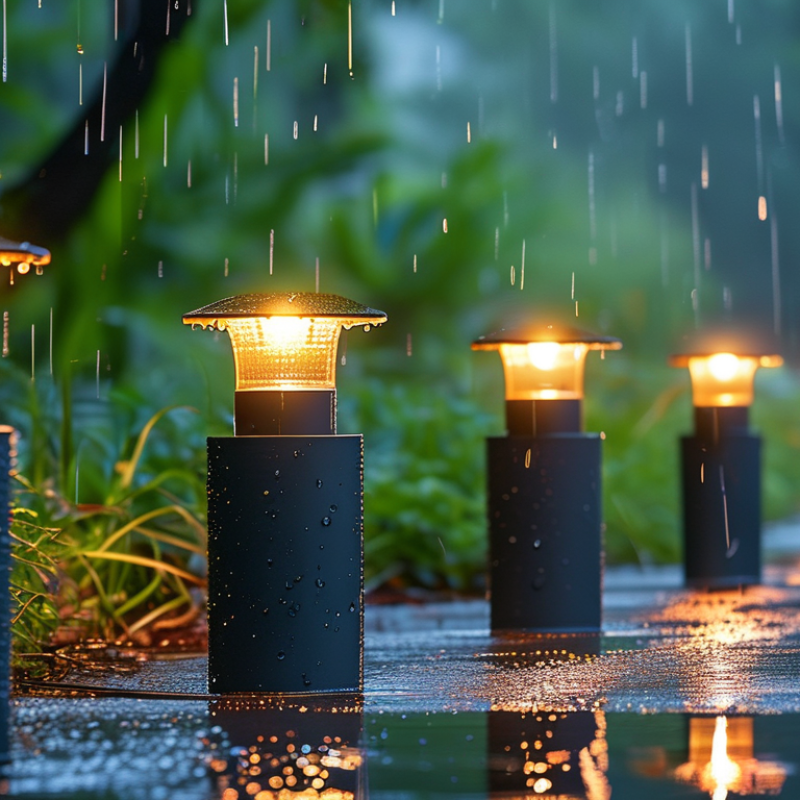
Solar flood lights are a growing trend in the lighting industry. These fixtures use solar panels to convert sunlight into electricity. This process allows them to illuminate outdoor spaces without relying on traditional power sources. According to a report by Grand View Research, the global solar lighting market is expected to expand significantly, driven by the demand for sustainable energy solutions.
One key feature of solar flood lights is their ability to function in various weather conditions. Most of these lights are designed to be waterproof, rated at least IP65. This means they can withstand rain and splashes without compromising performance. However, not all products meet these standards, so it is crucial to verify the specifications before making a purchase.
While solar flood lights boast many benefits, including low operating costs and minimal maintenance, they are not without challenges. The efficiency of these lights can decrease during winter months or in areas with prolonged cloud cover. Additionally, their performance heavily depends on the quality of the solar panel used. In some cases, inadequate sunlight exposure leads to reduced brightness at night. Investing in high-quality products and properly positioning them can help mitigate these issues.
When selecting outdoor lighting, understanding waterproof ratings is crucial. Waterproof ratings are indicated by the Ingress Protection (IP) code. The first digit in the code denotes dust resistance, while the second digit indicates water resistance. For instance, a fixture with an IP65 rating is dust-tight and protected against water jets. This rating is ideal for most outdoor applications.
It's important to note that not all solar flood lights are completely waterproof. Many claim waterproof capabilities but may only withstand light rain. According to industry reports, fixtures rated IP66 or higher provide robust protection against harsher weather. However, a study from the Lighting Research Center suggests that prolonged exposure to moisture can still compromise electronic components.
Evaluating product materials can also provide insight into reliability. Some manufacturers use plastic components that may degrade faster when exposed to UV light or extreme temperatures. On the other hand, metal fixtures, while often more robust, can be prone to rust if not properly coated. These nuances emphasize the importance of assessing product specifications and user reviews before making a purchase. Understanding waterproof ratings can help ensure that outdoor lighting performs well and lasts longer in various weather conditions.
When considering solar flood lights, waterproofness is a key concern. Several factors affect how well these lights can resist water. The materials used in their design play a critical role. High-quality plastics and aluminum can provide better durability. But not all products use these materials effectively. Inspecting the ratings is crucial. An IP65 or higher rating indicates strong waterproof capabilities.
Another factor is the design of the casing. Well-engineered lights should prevent water from seeping in. However, improper sealing can lead to failures. Some models may look robust yet fail under heavy rain. Regular maintenance improves lifespan, but many people overlook this. Proper care can help ensure that the seals remain intact.
Lastly, the location of installation impacts waterproof performance too. Placing lights near water sources increases exposure. This may lead to premature wear. Users often disregard environmental factors. They might expect high performance regardless of placement. Understanding these influences helps in making informed decisions.
Maintaining solar flood lights can significantly enhance their lifespan and performance. Regularly checking the solar panel is crucial. Make sure it is free from dirt, dust, and debris. Clean it gently with a soft cloth. A clean panel absorbs sunlight efficiently, maximizing energy storage.
Battery care is equally important. Over time, the battery may lose its ability to hold a charge. Consider replacing it every couple of years to maintain performance. Monitor the lights for consistent brightness as this can indicate battery health.
Weather conditions can affect your lights. During storms or heavy rains, ensure the fixtures remain securely mounted. A loose light may damage components. Inspect the wiring for signs of wear or corrosion. Being proactive can prevent larger issues down the line. Keeping a regular maintenance schedule might feel tedious but is vital for long-term usability.
| Feature | Description |
|---|---|
| Water Resistance | Most solar flood lights are designed to withstand rain and splashes, but check IP ratings for assurance. |
| IP Rating | Look for lights with at least IP65 rating for waterproof and dustproof capabilities. |
| Maintenance Frequency | Check and clean solar panels every 3-6 months to ensure optimal performance. |
| Battery Care | Replace batteries every 1-2 years to maintain brightness and efficiency. |
| Seasonal Storage | Store lights indoors during harsh weather to prolong their lifespan. |
| Installation Tips | Mounting on a pole or wall at an angle can enhance solar efficiency and drainage. |
When comparing solar flood lights with traditional flood lighting options, it's crucial to consider performance and efficiency. Solar flood lights utilize photovoltaic cells to harness sunlight. This makes them energy-efficient. According to industry studies, solar flood lights can reduce energy costs by up to 75%. This is significant for both residential and commercial applications.
Traditional flood lights often use incandescent or halogen bulbs. These options consume more electricity, leading to higher operational costs. They also typically have shorter lifespans. Industry research shows that traditional fixtures can last around 2,000 hours. In contrast, solar flood lights can last for over 25,000 hours. However, performance can be inconsistent in areas with limited sunlight.
Weather resistance is another aspect to evaluate. While many solar flood lights are advertised as waterproof, the actual efficacy can vary. Reports suggest that only about 60% of solar models are truly waterproof. Rain and moisture can negatively impact performance, potentially leading to reliability issues. This variability prompts a need for careful selection and consideration when choosing lighting options for outdoor spaces.
: The IP code shows dust and water resistance levels in outdoor lighting fixtures.
An IP65 rating indicates that the fixture is dust-tight and can withstand water jets.
No, many solar flood lights can only handle light rain, not heavy downpours.
High-quality plastics and aluminum are better. Poor materials can degrade quickly.
Design, material quality, installation location, and maintenance all impact waterproofness.
Yes, proper care helps maintain seals and improves overall durability.
Solar lights can cut energy costs by up to 75% and have longer lifespans.
User reviews offer insights into real performance and potential issues not shown in specs.
Placing lights near water sources increases premature wear due to exposure.
Many users wrongly expect high performance regardless of sunlight availability.
When considering whether "are solar flood lights waterproof," it's essential to understand their functionality and construction. Solar flood lights are outdoor lighting solutions that harness solar energy through photovoltaic cells, enabling them to operate without conventional electricity. Their waterproof ratings, typically indicated by the IP (Ingress Protection) code, reveal their ability to resist water intrusion, which is crucial for outdoor use.
Several factors influence the waterproofness of solar flood lights, including the quality of materials, design features, and sealing mechanisms. Ensuring longevity for these lights involves regular maintenance checks, such as cleaning the panels and inspecting for damage. Ultimately, while many solar flood lights are designed to withstand outdoor conditions, understanding their specifications is vital for optimal performance compared to traditional flood lighting options.

Joliras Light