Why Do Solar Flood Lights Flicker Top Tips for Buyers?

Time:2026-06-25 Author:Sophia
0%

Understanding why do solar flood lights flicker is crucial for potential buyers seeking reliable outdoor lighting. Scott Johnson, a lighting engineer with over a decade of experience, emphasizes, "Flickering in solar flood lights usually signals underlying issues." This insight encourages consumers to investigate the reasons behind this common problem before making a purchase.

Flickering can occur due to several factors. Poor battery performance, inadequate solar exposure, or faulty connections may frustrate users. Buyers must not only identify these issues but also assess product specifications carefully. For many, the promise of bright, stable light is unattainable if these details are overlooked.

In their quest for information, consumers often overlook the importance of quality. A flood light might look appealing but could lack the necessary durability. Understanding why do solar flood lights flicker will empower buyers to choose wisely. Though shopping for these lights can feel overwhelming, a few tips can lead to better decisions. A flicker-free experience is achievable with the right knowledge and a discerning approach.
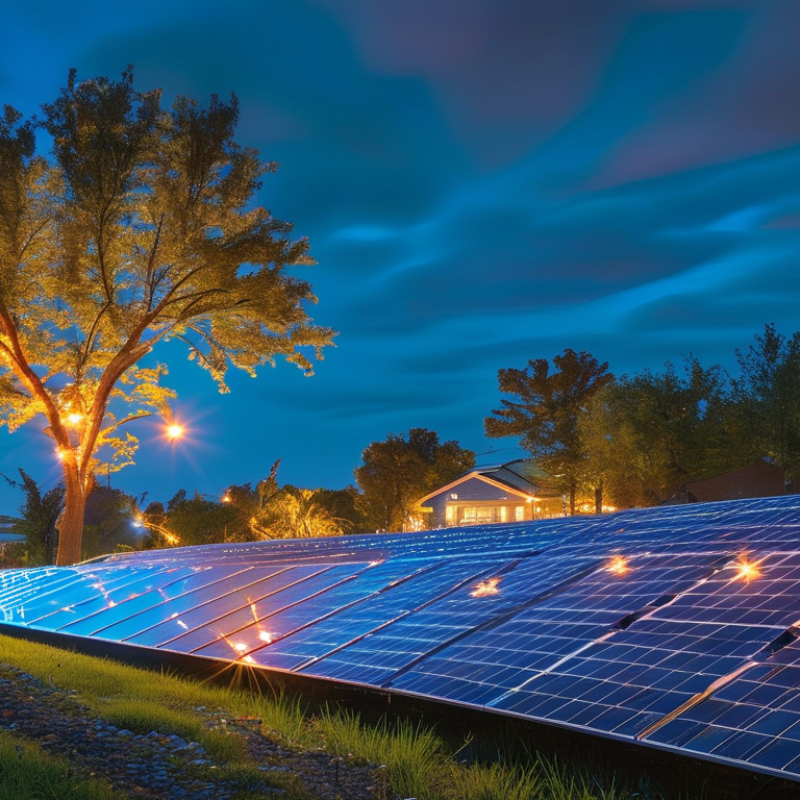
Why Do Solar Flood Lights Flicker Top Tips for Buyers?

Understanding the Causes of Flickering in Solar Flood Lights

Flickering is a common issue with solar flood lights. Understanding its causes can help buyers make informed decisions. One reason for flickering is insufficient sunlight. If the panels don’t receive enough daylight, the battery might not charge fully. This uneven power supply can lead to inconsistent performance at night.

Another factor is the quality of components. Cheaper materials may not handle fluctuations well. Low-quality batteries or LEDs often result in flickering. Regular maintenance can also be an issue. Dust and debris on the solar panel can obstruct light absorption, affecting charging efficiency.

Lastly, temperature variations can play a role. Extreme cold or heat may impact battery performance, leading to flickering. Buyers should consider these factors when choosing solar flood lights. Taking the time to research and understand these aspects can save you from future frustrations. Reflecting on these elements can enhance your experience with solar lighting solutions.

Common Issues Leading to Solar Flood Light Flickering

Solar flood lights are a great way to illuminate outdoor spaces. However, many users report flickering issues that can be frustrating. Understanding the common causes can help you troubleshoot and enhance your experience.

One of the main reasons for flickering is low battery power. If the solar panel does not receive enough sunlight, it may not charge efficiently. The result? A light that flickers or dims. Ensure your solar lights are placed in a location with ample sunlight. Regularly checking for dirt or debris on the solar panel can also prevent charging issues.

Another factor is the quality of the LED bulbs. Over time, wear and tear can affect performance. Inspecting the bulbs for damage or replacement can solve the flickering problem. Remember that not all solar lights use the same type of LED. Research and choose bulbs known for durability.

Temperature fluctuations can also play a role. Extremely cold weather can impact battery efficiency. If your area experiences harsh winters, consider removing the lights during the coldest months. Storing them in a warmer environment might help maintain their effectiveness.

Choosing the right solar flood light requires attention to detail. Research different products and customer reviews. Look for lights with proven longevity and reliability to reduce flickering issues in the long run.

How to Identify Quality Solar Flood Lights for Your Needs

When selecting solar flood lights, identifying quality products is crucial. Studies show that about 30% of solar lights fail to provide adequate brightness. This typically stems from low-quality batteries or inefficient solar panels. Knowing what to look for can prevent disappointment later.

Look for lights with lithium-ion batteries. Reports indicate that these batteries can last up to 2,000 charge cycles. In comparison, cheaper alternatives may last only a year. A good solar panel should have at least 15% efficiency. This translates to better energy absorption and longer light durations. Paying attention to these specifications can result in significant savings over time.

Consider also the build quality. Many solar flood lights may appear sturdy but use inferior materials. A solid, weather-resistant design can enhance durability and performance. Users should expect regular maintenance. Cleaning the panels and checking connections can prolong the lifespan of these lights. It's essential to remain vigilant about performance and adjust expectations accordingly.

Maintenance Tips to Prevent Flickering in Solar Flood Lights

Flickering in solar flood lights can be a common issue. Proper maintenance is essential to prevent this problem. Regularly check the solar panel for dirt or debris. A clean panel absorbs maximum sunlight. Dust buildup can reduce efficiency. Wipe it with a soft cloth, ensuring a clear surface.

Battery care is equally important. Inspect batteries for corrosion or wear. Replace them if necessary. Low-quality batteries may not hold a charge effectively. Additionally, ensure connections are secure. Loose wires can lead to inconsistent power delivery, causing flickers.

Also, consider the placement of your lights. If shaded by trees or buildings, they may not receive adequate sunlight. Repositioning lights can make a significant difference. Environmental factors, like extreme temperatures, can affect performance as well. Regular monitoring and adjustment will enhance functionality.

Choosing the Right Location for Optimal Solar Light Performance

Choosing the right location for solar flood lights can significantly impact their performance. Many people underestimate the importance of placement. Ideally, you want your lights in areas with maximum sunlight exposure. A roof or an open yard can be perfect spots. However, buildings or trees can cast shadows, reducing efficiency.

Consider the angle of sunlight throughout the day. If a light is blocked for several hours, it may lead to flickering or dim lighting at night. It's essential to observe the location during different times. Shadows can change as the sun moves. A little adjustment can make a huge difference.

Additionally, make sure to check surroundings. Reflective surfaces can enhance light spread, while overgrown plants may hinder it. Simplifying the environment around your light can prevent flicker caused by inadequate charging. Remember, the goal is to maximize the solar panel's exposure for brighter illumination. A thoughtful location choice is key to enjoying effective solar lighting.

FAQS

: What causes flickering in solar flood lights?

: Flickering can occur due to insufficient sunlight, poor component quality, or temperature variations.

How does sunlight affect solar flood lights?

Without enough sunlight, the battery won’t charge fully. This leads to inconsistent performance at night.

Why is regular maintenance important?

Maintenance helps prevent flickering. Dust on the solar panel obstructs light absorption and affects charging efficiency.

What should I do if the battery shows signs of wear?

Inspect the battery frequently. If corrosion or wear is present, replace it with a high-quality battery.

How can I improve the placement of my solar lights?

Position lights where they receive maximum sunlight. Avoid areas shaded by buildings or trees.

What effect do environmental factors have on performance?

Extreme temperatures can impact battery performance. Ensure to monitor how weather affects your solar lights.

How can loose connections lead to flickering?

Loose wires can disrupt the power supply. Secure connections are crucial for consistent light performance.

How does the angle of sunlight influence solar light efficiency?

Observe shadows throughout the day. Blocked sunlight for hours can lead to flickering or dim lighting.

What role do surrounding conditions play in performance?

Reflective surfaces enhance light spread. Overgrown plants may obstruct light, affecting overall functionality.

Conclusion

Solar flood lights are popular for outdoor illumination, but many users often wonder, "why do solar flood lights flicker?" Understanding the root causes of flickering is crucial for buyers. Common issues include low battery power, faulty wiring, or insufficient sunlight exposure. Identifying quality solar flood lights is essential to avoid these problems, as well-manufactured lights typically come with better components and reliable performance.

To ensure optimal performance and longevity of solar flood lights, maintenance is key. Regularly cleaning the solar panels and checking for any obstructions can help prevent flickering. Additionally, choosing the right location for installation is vital, as it maximizes sunlight exposure, ensuring your solar lights function effectively. By addressing these aspects, users can significantly reduce the chances of flickering and enjoy consistent lighting.

Sophia

Sophia

Sophia is a dedicated marketing professional with an exceptional depth of knowledge about her company's products and services. With a keen understanding of market trends and customer needs, she crafts insightful blog posts that not only inform but also engage readers, enriching the company’s online......