Positioning solar flood lights correctly can significantly enhance their efficiency. Proper placement ensures maximum illumination while conserving energy. Factors such as light angle, height, and solar panel direction all play vital roles.
Consider the direction of the sun when determining where to position solar flood lights. They should face south to capture the most sunlight. Also, avoid placing them under trees or other obstructions that block sunlight. Height matters too; lights mounted higher can cover a broader area. But, too high may lead to less effective illumination on the ground.
Positioning solar flood lights correctly is not always a straightforward task. Many people underestimate the importance of these details. They may find their lights are dim or not effective. Take time to experiment with different angles and locations. This process can lead to better overall results and greater satisfaction with your solar lighting system.
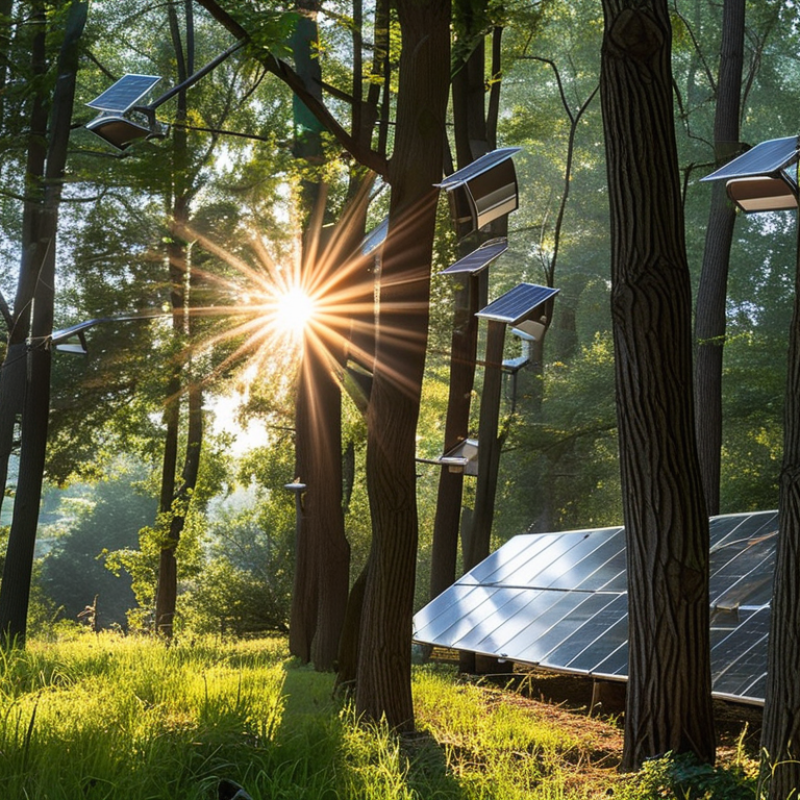
Positioning solar flood lights correctly is crucial for maximizing their efficiency. Proper placement ensures that the lights receive adequate sunlight for charging. It is essential to install them in areas that receive direct sunlight for most of the day. Obstructions like trees or buildings can significantly reduce the sunlight exposure, resulting in poor performance.
Consider the height and angle while installing solar flood lights. Higher placement can cast wider light but may lose intensity. Aim to meet halfway for optimal coverage. During winter, remember that the sun's angle shifts. This seasonal factor can impact the solar panel's efficiency. Keeping track of these changes will help in repositioning the lights effectively.
Reflecting on your initial choices may reveal missed opportunities for improvement. Analyzing performance regularly encourages adjustments that lead to better lighting. Take notes on different setups and their outcomes. This hands-on approach will enhance your understanding over time. Experimentation is key to finding the best positioning for each environment.
When positioning solar flood lights, optimal solar exposure is critical for maximum efficiency. Consider the direction of sunlight throughout the day. South-facing installations receive more sunlight compared to other orientations. This ensures that your lights charge effectively, especially in winter months.
Tips: Choose a clear area for installations. Obstacles like trees or buildings can cast shadows. Regularly check for any changes in your environment that could impede sunlight.
The angle at which solar lights are placed also affects performance. A 30-degree tilt can help capture more sunlight. Test placements during different times to see which angle works best.
Tips: Cleaning the solar panels often can improve light output. Dust and debris reduce efficiency. It’s essential to monitor their performance regularly to ensure they operate effectively.
Positioning solar flood lights effectively can significantly enhance their efficiency. One crucial factor is the height at which you install them. Placing lights too low may restrict their coverage area. Conversely, mounting them too high can lead to insufficient illumination for specific spots. A height of 8-12 feet often provides a good balance, allowing the light to spread while still concentrating on the target area.
The angle of installation plays a pivotal role as well. Lighting the area from below may create unwanted shadows. Instead, angle the lights slightly downwards to direct light where it is most needed. This technique reduces glare and enhances visibility. A tilt of 30 degrees can help achieve optimal performance. Experiment with the angle until you find the sweet spot that illuminates your space effectively.
It's also important to consider your location. Make adjustments based on nearby obstacles that may block sunlight. Trees, buildings, or even fences can diminish your light's efficiency. Regularly reassess your setup, taking into account seasonal changes in sunlight and how they affect your solar panels’ performance.
When positioning solar flood lights, choosing the right location is crucial for optimal performance. According to the U.S. Department of Energy, proper placement can increase light output by up to 30%. Areas that receive maximum sunlight for at least six hours a day are ideal for solar panels. These locations ensure that the batteries are fully charged, providing brightness when needed most.
For effective light coverage, consider placing lights at least 20 feet apart in outdoor areas. This distance allows for an even dispersion of light across a wider area. Additionally, mounting solar flood lights at a height of 8 to 10 feet can improve visibility while minimizing obstruction from trees or buildings. However, it’s essential to regularly assess light effectiveness, as changing foliage or new structures may interfere with light paths.
While positioning, a common mistake is underestimating shadows cast by nearby objects. Even small overhangs can reduce light efficiency. Monitoring light output during different times of the year can help in identifying any issues with placement. Addressing these challenges enhances the overall functionality of solar flood lights, ensuring they serve their intended purpose effectively.
When positioning solar flood lights, awareness of potential obstacles is crucial. Trees, buildings, and fences can block sunlight. Ensure your flood lights receive ample sun exposure for optimal performance. Shadows from surrounding structures can diminish their effectiveness. Imagine a tall building casting a shadow over your light, rendering it nearly useless during peak hours.
Another common interference comes from dirt or debris. Solar panels need to be clean to work efficiently. Even a small amount of dust can significantly decrease energy absorption. Regular maintenance is essential. Consider routine checks to ensure your lights remain clear and functional.
Moreover, positioning your lights too close to walls or pathways can restrict their effectiveness. Reflecting surfaces might cause glare, which could either reduce visibility or annoy neighbors. Think about how the light will disperse. Finding the right angle may require some trial and error. Experimenting with variables will enhance their overall performance. Proper placement takes time, but the results are worth the effort.
| Positioning Tips | Common Obstacles | Interferences | Optimal Angle |
|---|---|---|---|
| Place lights at least 3 feet above ground | Trees and tall shrubs | Buildings and walls | 45 degrees for maximum coverage |
| Position towards the south for sunlight | Fences and utility poles | Power lines | 30 degrees for direct exposure |
| Ensure a clear path for light | Outdoor furniture | Shadows from structures | 60 degrees for wider area |
| Angle lights away from direct eye level | Overhanging branches | Reflective surfaces | 20 degrees for effective focus |
: A height of 8-12 feet is recommended. It balances coverage and concentration on target areas.
Angle the lights slightly downwards, ideally at 30 degrees. This reduces glare and improves visibility.
Choose areas that receive at least six hours of sunlight daily. This ensures batteries are fully charged.
Place them at least 20 feet apart in outdoor areas. This allows for even light distribution.
Trees, fences, and buildings can block sunlight. Regular reassessment is needed to ensure optimal light efficiency.
Seasonal changes affect sunlight availability. Adjustments may be needed for maintaining effective solar panel performance.
Underestimating shadows from nearby objects is common. Even small obstructions can significantly reduce light output.
Monitor light output during different seasons. This helps identify placement issues that may arise over time.
Lights placed too low may restrict their coverage area, reducing overall effectiveness.
Yes, experimenting can help find the optimal angle for illuminating your space effectively.
Proper positioning of solar flood lights is crucial for maximizing their efficiency and effectiveness. To understand how to position solar flood lights correctly, one must first recognize the importance of positioning, as it influences the amount of sunlight the panels receive, directly impacting their performance. Key factors such as solar exposure, the ideal height and angle for installation, and specific locations for maximum light coverage must be considered.
Additionally, avoiding common obstacles and interferences, like trees or buildings that could block sunlight, is essential for optimal operation. By carefully analyzing these elements, homeowners can ensure their solar flood lights provide adequate illumination while utilizing solar energy efficiently, making the most out of this sustainable lighting solution.
Joliras Light