As the demand for renewable energy sources grows, many wonder, "can solar flood lights charge on cloudy days?" This question is crucial for those relying on solar technology for outdoor lighting. According to Dr. Lisa Green, a renewable energy expert, "While solar panels can still generate power on overcast days, the efficiency drops significantly."
Solar flood lights depend on sunlight for charging. On cloudy days, they may not charge as effectively. Still, they can capture some energy. This leads to the misconception that they are ineffective during less-than-ideal weather. In fact, modern solar flood lights are designed to operate in various conditions.
The ability to charge on cloudy days reflects ongoing advancements in solar technology. However, users should remain aware that performance varies. Realistic expectations are important, especially in regions with frequent cloud cover. A proactive approach, like ensuring proper placement for maximum sunlight exposure, can enhance their efficiency. Ultimately, understanding the limitations while appreciating the benefits is vital for users of solar flood lights.
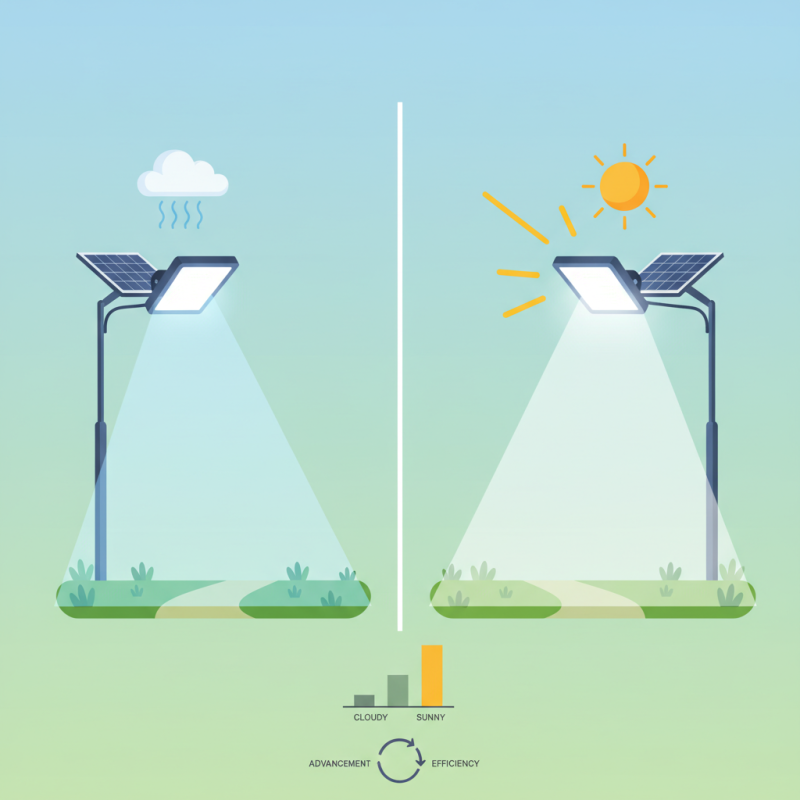
Understanding Solar Panel Efficiency on Cloudy Days
Solar panels are designed to absorb sunlight and convert it into energy. However, their efficiency can be significantly affected by weather conditions. On cloudy days, many people wonder if solar flood lights can still charge effectively. The answer is yes, but with important caveats.
Cloud cover can reduce the amount of sunlight that reaches solar panels. Research indicates that they can still capture 10-20% of regular sunlight even in overcast conditions. This means that while performance decreases, it does not cease completely. These lights may charge more slowly when compared to sunny days. Users should be prepared for limited illumination during extended cloudy periods.
It's crucial to set realistic expectations. Some solar flood lights may not perform optimally in areas with frequent overcast skies. Consumers should assess their local climate and consider the average sunshine hours available. Reflecting on these factors can help in making an informed decision about solar flood lights for specific environments.
The Impact of Cloud Cover on Solar Energy Generation
Cloud cover significantly impacts solar energy generation. On cloudy days, solar panel efficiency does decrease, but they can still produce energy. Solar panels capture diffuse sunlight, even with heavy cloud cover. This means that while output may be less, it is not zero.
The effectiveness of charging during cloudy weather also depends on the type of solar technology used. Some systems are more efficient in low-light conditions. Yet, many users underestimate this capability. A common misconception is that solar lights rely solely on direct sunlight. In truth, they can utilize the scattered light.
This reality highlights a need for better understanding and realistic expectations. Many people dismiss solar solutions because of cloudiness in their region. They might miss the chance to utilize renewable energy effectively. Adapting to local weather patterns is vital. Embracing the nuances of solar technology can lead to better energy management.
Can Solar Flood Lights Charge on Cloudy Days Effectively? - The Impact of Cloud Cover on Solar Energy Generation
| Cloud Coverage (%) |
Solar Energy Output (Watts) |
Charging Efficiency (%) |
Typical Usage Hours (hrs) |
| 0-20% |
80 |
90 |
10 |
| 21-40% |
60 |
75 |
8 |
| 41-60% |
40 |
60 |
6 |
| 61-80% |
20 |
40 |
4 |
| 81-100% |
5 |
10 |
2 |
Comparative Analysis of Solar Flood Light Performance
Solar flood lights are increasingly popular for outdoor lighting. Their effectiveness often hinges on solar panel efficiency, especially under varying weather conditions. A crucial question arises: Can these lights charge effectively on cloudy days?
In cloudy weather, solar panels may struggle to capture sunlight. However, many panels can still harness diffused light. This means that while charging may be slower, some energy can still be gathered. A comparative analysis shows that high-quality solar flood lights perform better than their budget counterparts in low-light conditions. The difference in technology and design often plays a vital role in performance.
Despite their advantages, users should manage expectations. Fully charging during extended cloudy periods remains a challenge. This can lead to reduced illumination time at night. It's essential to consider the environment and installation location. Factors such as tree cover or nearby buildings can further hinder performance. Users must reflect on these aspects before committing to solar flood lights as their only outdoor lighting solution.
Industry Data on Solar Charging in Varied Weather Conditions
Solar flood lights are a popular solution for outdoor illumination. Many users wonder if these lights can effectively charge on cloudy days. Industry research shows that solar panels still capture sunlight, even during overcast weather. According to the National Renewable Energy Laboratory, solar panels can operate at about 20% efficiency under cloudy conditions. This means they can still generate some energy.
However, the effectiveness can vary by location. In areas with frequent cloud cover, solar charging may be less reliable. A study from the Solar Energy Industries Association indicates that average sunlight hours are critical. Regions with less than four hours of sunlight might struggle more with solar charging. Cloudy days may lead to slower charging times. Users should consider their local weather patterns when investing in solar products.
Tip: Check your area’s solar potential before purchasing. Invest in additional battery storage to help capture and retain energy. This way, your solar lights can stay functional, even during long cloudy spells. It's essential to reflect on your choices. Not all solutions work for every climate or situation.
Best Practices for Optimizing Solar Flood Light Performance
Solar flood lights can perform surprisingly well on cloudy days. However, to maximize their efficiency, certain best practices should be followed.
Positioning the solar panel directly under sunlight, even when it's overcast, enhances charging. Avoid placing lights in shaded areas, like under trees or awnings. Regularly cleaning the solar panel surface can also improve performance. Dust and debris can block sunlight, reducing charging efficiency.
Battery capacity plays a crucial role too. High-quality batteries will store energy better, providing consistent light during darker hours. Check connections regularly; loose or corroded connections can hinder performance. It’s also wise to consider the direction of the solar panel. Aligning it southward, if applicable, can capture more light throughout the day. Reflective surfaces nearby can amplify light exposure.
Even with all precautions, low-light conditions often present challenges. Adjusting expectations is essential during prolonged cloudy weather. Maintain your solar flood lights routinely to identify any operational issues. Keeping a close eye on performance helps ensure they remain effective when you need them the most.
Conclusion
The effectiveness of solar flood lights in cloudy conditions raises an important question: can solar flood lights charge on cloudy days? This summary explores solar panel efficiency under overcast skies, highlighting that while cloud cover can reduce solar energy generation, many solar panels still harness enough light to charge adequately. Various studies indicate that solar technology can tap into diffuse sunlight, a phenomenon common during cloudy weather.
Furthermore, a comparative analysis reveals that the performance of solar flood lights varies based on their design and the technology used. Industry data show that optimal positioning and angle can significantly improve charging efficiency. To enhance the performance of solar flood lights in less than ideal weather, adopting best practices—such as regular maintenance and using panels with higher low-light performance—can lead to improved outcomes even on dreary days. Overall, understanding these dynamics helps users maximize the utility of solar flood lights throughout varying weather conditions.

 Joliras Light