Cleaning solar flood lights is crucial for their performance and longevity. If you’re wondering how to clean solar flood lights properly, you're not alone. Many users overlook maintenance, leading to reduced brightness and efficiency.
The process requires more than just a quick wipe-down. Dust, dirt, and debris can accumulate on the solar panels. This blockage prevents sunlight from being absorbed effectively. It’s important to remember that neglecting this upkeep can drastically reduce the lifespan of your lights.
Regular cleaning enhances the lights' ability to convert solar energy into bright illumination. A little attention can make a significant difference. Keep in mind, though, that while cleaning is straightforward, some users might struggle with delicate parts. A gentle approach is always recommended.
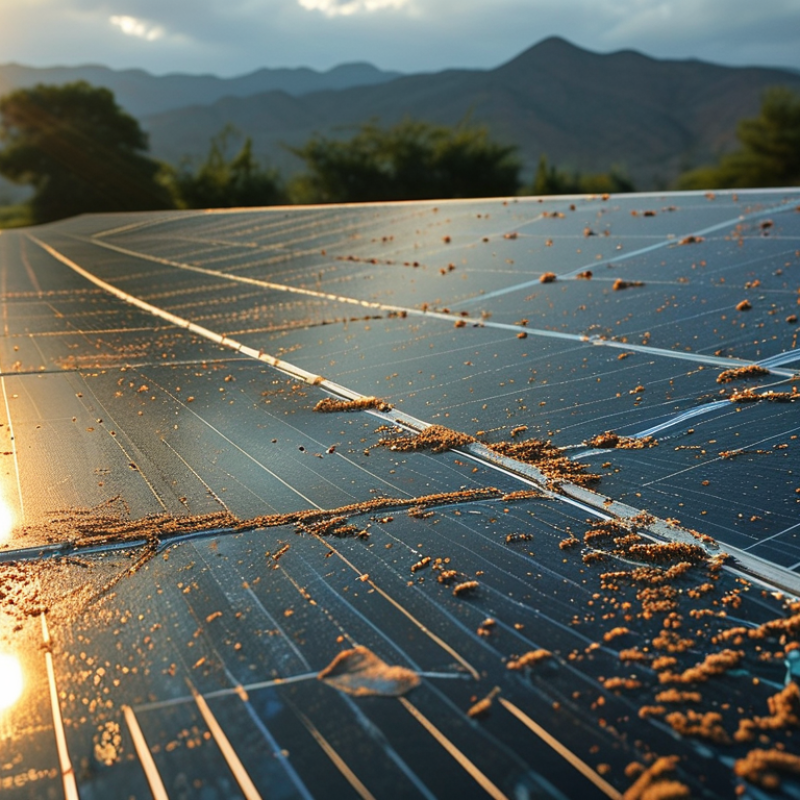
Cleaning solar flood lights is crucial for maintaining their efficiency. These lights rely on solar panels to gather sunlight. Dust, dirt, and grime can accumulate over time, blocking sunlight and reducing energy absorption. Regular cleaning ensures optimal performance, especially after storms or prolonged periods of heavy pollution. By keeping the panels clean, you enhance their ability to convert sunlight into usable energy.
Many people overlook the need for maintenance. It might seem tedious, but even a simple wipe can make a difference. A damp cloth can remove debris without damaging the components. Avoid abrasive materials that could scratch the surface. If the lights remain dirty, their brightness can diminish. This reduces safety and diminishes the aesthetic appeal of outdoor spaces.
Understanding the impact of neglecting solar flood lights is key. It’s easy to forget about them, especially when they work well. However, a routine cleaning schedule can prevent long-term issues. A little effort goes a long way. Solar lights that perform well will provide illumination for years. Taking the time to clean them is an investment in safety and functionality.
Cleaning solar flood lights is essential for their longevity and efficiency. Selecting the right tools and materials can make this process easier. Ideally, you need a few basic items: a soft cloth or sponge, mild soap, water, and a brush with soft bristles. These tools are effective without causing damage to the light fixtures.
When preparing to clean, ensure your lights are turned off and cooled down. Use the cloth dampened with soapy water to gently wipe down the solar panel and the body of the light. Avoid abrasive materials that could scratch the surface. Rinse with clean water and dry with a dry cloth to prevent water spots.
Tips for effectiveness: Safeguard your solar lights from dirt by regularly dusting them. If you encounter stubborn stains, a mixture of vinegar and water can help. Be cautious, though, as too much moisture may corrode electronic components. Regular cleaning, at least twice a year, will keep lights shining bright. It’s easy to overlook this task, but making it a habit will enhance performance.
Cleaning solar flood lights is essential for optimal performance. Dust, bird droppings, and grime can block sunlight. When these lights are dirty, they won’t charge properly. Begin by assessing the condition of your lights. Are they visibly dirty? Do they have a film that seems tough to remove? This evaluation helps determine the cleaning method you should use.
To clean the solar panels safely, gather your materials. You need a soft cloth, water, and a mild soap solution. Avoid harsh chemicals that might damage the panels. Start with turning off the flood lights to prevent any electrical issues. Wet the cloth with soapy water and gently wipe the surface of the panels. Avoid excessive pressure, as this could scratch the surface. Rinse the cloth frequently to prevent spreading dirt.
After cleaning, check for any signs of wear or dust build-up in other areas, like the light casing and battery compartment. Improper maintenance can lead to reduced light output. Regularly inspect your solar flood lights to ensure longevity. It’s essential to develop a routine since neglecting these elements can lead to bigger problems down the line.
Maintaining the battery life and performance of solar flood lights is crucial for optimal functionality. Regular cleaning of the solar panels is necessary to ensure they receive enough sunlight. Dust and debris can accumulate, reducing their efficiency. Use a soft cloth or brush to gently clean the surface. Avoid harsh chemicals; they may cause damage.
Another aspect to consider is battery care. Many solar lights use lithium batteries, which require proper management. Fully charge the battery before the first use. Monitor the battery’s lifespan and replace it as needed. Overcharging can lead to reduced efficiency over time.
Consider the placement of your lights. Ensure they are positioned to receive maximum sunlight throughout the day. Trees or structures that cast shadows can hinder performance. If you notice a decline in brightness, it may signal a need for better positioning or a battery check. Remember, even the best systems require attention and adjustment to maintain peak performance.
| Maintenance Practice | Description | Frequency | Tips |
|---|---|---|---|
| Dust Cleaning | Use a soft cloth or brush to remove dust and dirt from the surface of the lights. | Weekly | Avoid abrasive materials that could scratch the surface. |
| Panel Cleaning | Wipe the solar panels with a damp cloth to ensure maximum sunlight absorption. | Monthly | Use distilled water for best results; avoid harsh cleaners. |
| Battery Check | Inspect batteries for corrosion or damage, and replace if necessary. | Bi-Annually | Ensure to recycle old batteries properly. |
| Fixture Examination | Check the fixtures for any signs of wear or damage and replace parts as needed. | Annually | Keep an eye on any flickering lights which may indicate issues. |
| Positioning Adjustments | Ensure lights are positioned for optimal sunlight during the day. | Seasonally | Consider the changing sun angle throughout the year. |
When cleaning solar flood lights, many make common mistakes that can affect performance. One major error is using corrosive cleaning products. Research shows that harsh chemicals can damage the sensor and LED components. Always opt for mild soap and water. Another frequent issue is neglecting the solar panel. Dust accumulation on the panel reduces energy absorption, which leads to dim lighting.
It’s also vital not to submerge the lights in water. While they are designed to be weather-resistant, a soaking can lead to short circuits. Use a damp cloth to wipe the exterior. Ensure you clear off any debris from the panel regularly. Studies indicate that maintaining clean solar panels can improve efficiency by up to 30%.
Tips: Clean your solar flood lights every few months. This helps maintain their brightness and efficiency. When it rains or snows, inspect them afterward to remove any residue. Be careful with the placement. Shadows from trees can also diminish light performance. A little focus on maintenance can go a long way in ensuring durability.
: Cleaning is vital for maintaining efficiency. Dust and grime block sunlight, reducing energy absorption.
Neglecting maintenance can lead to diminished brightness and safety issues, impacting outdoor aesthetics.
Check for visible dirt or tough films that need removal to determine the appropriate cleaning method.
You need a soft cloth, water, and a mild soap solution. Avoid harsh chemicals.
Turn off the lights, wet the cloth with soapy water, and gently wipe without applying excessive pressure.
No, avoid corrosive cleaning products. They can damage the sensor and LED components.
No, submerging can cause short circuits. Use a damp cloth instead to clean.
Clean them every few months, especially after rain or snow, to maintain brightness and efficiency.
Check for wear or dust in other areas like the light casing and battery compartment.
Shadows from nearby trees can reduce light efficiency, so consider their placement carefully.
Cleaning solar flood lights is essential for maintaining their efficiency and prolonging their lifespan. Understanding how to clean solar flood lights properly starts with recognizing the importance of keeping the solar panels free from dirt and debris, which can significantly impact their performance. To get started, gather the right tools and materials, such as soft cloths, mild detergents, and water.
A step-by-step approach is recommended: first, safely remove the lights from their fixtures, then carefully clean the panels with a soft cloth and mild soapy water, avoiding harsh chemicals that can cause damage. Additionally, maintaining the battery life is crucial; ensure connections are clean and inspect the batteries regularly. It’s important to steer clear of common mistakes, such as using abrasive materials or neglecting regular maintenance, to ensure your solar flood lights operate at their best.
Joliras Light