7 Best Solar Flood Lights How Long Do They Last?

Time:2026-10-02 Author:Aria
0%

Choosing solar flood lights often begins with one practical question: how long do solar flood lights last? The answer is less simple than a product-page promise. A quality fixture may illuminate outdoor spaces for five to ten years, while its rechargeable battery may need replacement after two to five years. Harsh weather, shaded panels, freezing temperatures, and nightly operating hours can shorten that timeline.

The U.S. Department of Energy’s Solid-State Lighting program explains LED performance through useful life, rather than sudden failure. James R. Brodrick, a former DOE solid-state-lighting program manager, stated, “LED lifetime is defined as the time it takes for light output to depreciate to 70 percent of initial light output.” That distinction matters. A lamp can still turn on while producing noticeably weaker light. DOE research also reports that LEDs commonly reach 25,000 to 50,000 operating hours, although outdoor heat and poor thermal design can reduce performance.

Solar panels usually last longer than the electronics around them. A National Renewable Energy Laboratory study found a median photovoltaic degradation rate near 0.5 percent annually, supporting decades of panel service. However, battery chemistry remains the weak link. It quietly determines whether the light survives a long winter night.

This guide compares seven solar flood lights by brightness, battery design, weather resistance, charging behavior, and replacement practicality. Real use is messier than laboratory testing. A shaded wall or dusty panel can change everything. So, the “best” light may not be the brightest model; it may be the one that keeps working after three rainy seasons.
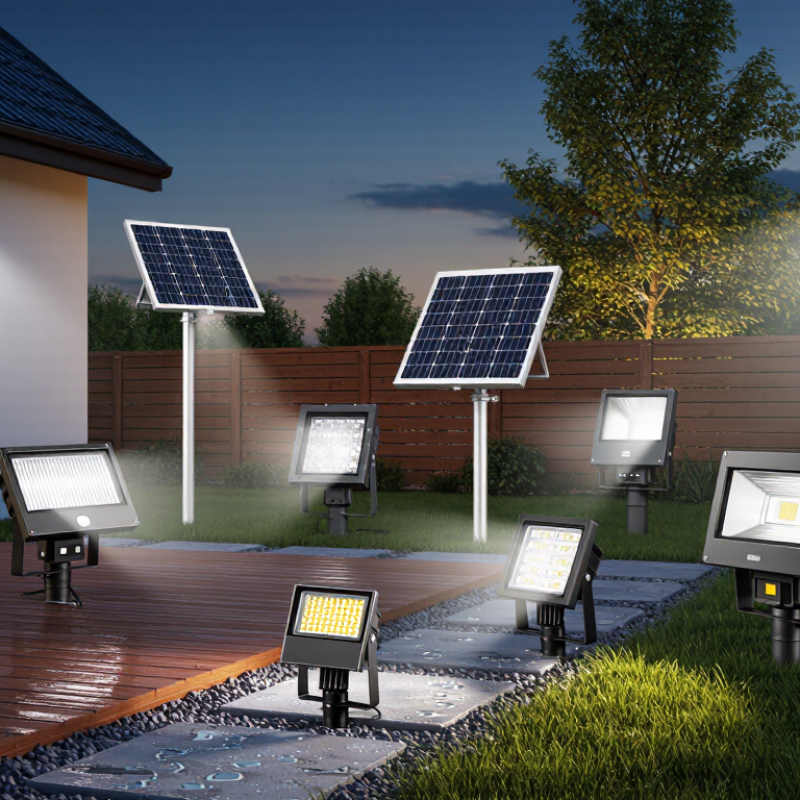
7 Best Solar Flood Lights How Long Do They Last?

What Are Solar Flood Lights and How Do They Work?

Solar flood lights are outdoor fixtures that use sunlight instead of household wiring.

Each unit usually contains a solar panel, rechargeable battery, LED array, controller, and motion sensor. During the day, the panel converts sunlight into electrical energy and stores it in the battery. After dark, the controller powers the LEDs automatically.

In practical installations, performance depends heavily on sunlight, temperature, and panel cleanliness. A bright summer day may provide eight to twelve hours of lighting, while cloudy winter weather can reduce that time sharply.

Most LED components can last for many years, but the battery often needs replacement after two to five years. The real answer is less tidy than many product descriptions suggest.

Poor positioning can shorten nightly runtime. A shaded panel may leave the light dim or inactive.

Tips:

Install the panel where it receives direct sunlight for most of the day. Keep leaves and dust away from its surface. Aim motion sensors toward walkways, not moving branches. Check the battery specifications and weather-resistance rating before installation. A higher brightness setting may look impressive, but it usually consumes stored power faster. Test the light for several nights before relying on it for security or regular outdoor work.

What Features Define the Seven Best Solar Flood Lights?

The seven best solar flood lights are defined by useful features, not impressive packaging. A high-efficiency panel should recharge the battery after several hours of sunlight. Battery capacity matters during winter or repeated cloudy nights. Quality lithium batteries often last two to five years, depending on heat, charging cycles, and maintenance.

Brightness should match the area, rather than simply chasing the highest lumen rating. A wide beam can cover a driveway, while adjustable heads help aim light away from windows. Reliable motion sensors should detect movement at a practical distance without triggering constantly. Look for strong weather resistance, sealed connections, and corrosion-resistant housing. These details influence whether a light survives heavy rain, dust, and summer heat. Easy installation also matters. Adjustable brackets and replaceable parts reduce future frustration. No model is perfect. Some lights advertise long runtimes but perform poorly after several cloudy days.

Tips: Test the light after sunset and again before sunrise. Check whether the panel receives direct sunlight, not shade from leaves or fences. Clean dust from the panel every few months. Keep the sensor away from busy roads or moving branches. I would also record brightness after one year. That small habit reveals battery decline earlier than appearance does.

How Long Do Solar Flood Lights Typically Last?

How long do solar flood lights typically last? The answer depends on the part you measure. The LED module often operates for 25,000 to 50,000 hours. The U.S. Department of Energy reports that quality LEDs can reach about 25,000 hours under suitable conditions. That equals nearly 17 years at four hours nightly.

The battery usually fails earlier. Many rechargeable batteries provide two to five years of service, depending on heat, charging cycles, and winter darkness. A 2021 NREL review found that photovoltaic modules commonly degrade around 0.5% yearly. This supports a potential 20 to 30-year panel life, but outdoor dirt and storms reduce real performance.

The whole flood light may therefore remain useful for three to eight years before its battery or controller needs attention. In field installations, this is often the weak point. The panel still looks healthy, yet the light fades before dawn.

Tips: Clean the panel every few months with a soft, damp cloth. Keep branches from casting evening shadows. Choose a replaceable battery design when possible. Check whether the battery is rated for outdoor temperature changes. Small details matter. One overlooked issue is poor placement; even strong hardware struggles beneath a roof edge or dense tree. Performance estimates are not guarantees, and local weather can change the result significantly.

Which Factors Affect Solar Flood Light Lifespan?

Solar flood light lifespan depends less on the lamp itself and more on its weakest component. The U.S. Department of Energy reports that quality LEDs can deliver 25,000 to 50,000 hours of useful life. At eight hours nightly, that equals roughly 8 to 17 years. Real outdoor performance is usually shorter. Heat, moisture, dust, and poor charging can reduce output much earlier.

The battery is often the limiting factor. Many rechargeable batteries provide about 500 to 1,000 charge cycles, depending on chemistry, temperature, and charging depth. Daily cycling may therefore create noticeable battery decline within two to five years. Cold nights can reduce temporary capacity, while summer heat can accelerate permanent damage. A shaded panel also matters. The International Energy Agency’s photovoltaic research reports typical module degradation near 0.5% per year, but small panels may perform worse when dirt covers their surface.

Installation experience reveals another issue: brightness ratings can mislead. A light may advertise high lumens, yet deliver weak illumination after cloudy weather. I would not judge lifespan from LED hours alone. Check battery replacement access, panel angle, drainage, and the product’s ingress protection rating under IEC 60529. Clean the panel every few months, and avoid placing it beneath dense branches. These details sound minor. They are not. A neglected light can fail long before its LED reaches the laboratory estimate.

7 Best Solar Flood Lights: How Long Do They Last?

Solar flood-light longevity depends on the lifespan of each main component. The chart shows typical service-life ranges for commonly used solar lighting components, expressed as midpoint estimates in years.

LED emitters and solar panels usually last the longest. Rechargeable batteries are commonly the first part to require replacement, especially when the light operates every night, experiences high temperatures, or receives insufficient sunlight. Regular cleaning and proper installation can help extend the overall service life.

How Can You Extend the Life of Solar Flood Lights?

Solar flood lights often last three to five years, but careful maintenance can extend their useful life. The battery usually ages faster than the light itself. In my experience, poor placement causes many early failures. Install the fixture where the panel receives direct sunlight for several hours daily. Keep it away from tree shade, roof overhangs, and strong outdoor lamps.

Clean the solar panel every few months with a soft, damp cloth. Dust, pollen, and bird residue can reduce charging performance. Check the housing after heavy rain. Moisture inside the fixture may indicate a damaged seal. Tighten loose screws, but avoid forcing them. Excess pressure can crack plastic parts. During winter, reduce unnecessary lighting hours if the control allows it. Cold temperatures can weaken battery performance temporarily.

Tips: Inspect the panel and housing each season. Clear leaves before they block sunlight. Use a lower brightness setting when full power is unnecessary. Replace rechargeable batteries only with the correct type and rating. Never mix old and new batteries. Keep the sensor clean, too. Small habits matter. One mistake is leaving the light switched off for months, then expecting perfect battery performance. Regular operation helps reveal problems early, although battery replacement will eventually be necessary.

FAQS

What are solar flood lights?

Solar flood lights are outdoor lamps powered by sunlight. They usually include a panel, battery, LEDs, controller, and motion sensor.

How do solar flood lights work at night?

During daylight, the panel converts sunlight into electricity. The battery stores that energy. After dark, the controller powers the LEDs automatically.

How long can solar flood lights operate each night?

Bright summer sunlight may support eight to twelve hours of lighting. Cloudy winter weather can reduce runtime sharply.

How long do the main parts usually last?

LED modules often operate for 25,000 to 50,000 hours. Rechargeable batteries commonly last two to five years.

What usually fails first?

The battery often fails before the LEDs or panel. The light may fade before dawn, even when the panel looks clean.

Which conditions reduce lifespan?

Heat, moisture, dust, cold nights, and repeated charging can reduce performance. Dense branches may block sunlight and create evening shadows.

Where should a solar flood light be installed?

Place the panel where it receives direct sunlight for most of the day. Avoid roof edges, walls, and dense tree cover.

How should solar flood lights be maintained?

Clean the panel every few months with a soft, damp cloth. Remove leaves and dust carefully.

How can someone test a solar flood light before relying on it?

Test the light for several nights after installation. Observe brightness, sensor response, and morning runtime.

Conclusion

Solar flood lights are outdoor lighting systems that use solar panels to convert sunlight into electricity, which is stored in a rechargeable battery for nighttime illumination. The best solar flood lights typically combine strong brightness, efficient panels, durable weather-resistant housing, reliable motion sensors, adjustable lighting angles, and easy installation. Their performance depends on both daily sunlight and the quality of their internal components.

For anyone asking, “how long do solar flood lights last,” the answer varies by component and usage. LED bulbs can often operate for many years, while rechargeable batteries usually need replacement sooner. Lifespan is affected by sunlight exposure, charging frequency, weather conditions, temperature, installation position, and maintenance. To extend their service life, keep the solar panel clean, place it where it receives direct sunlight, protect the light from unnecessary impact, check connections regularly, and replace aging batteries with compatible ones. With proper care, solar flood lights can provide dependable outdoor illumination for a long time.

Aria

Aria

Aria is a dedicated marketing professional with a deep passion for innovative strategies and a keen understanding of our company's product offerings. With a wealth of experience in the industry, Aria excels at crafting engaging content that highlights the unique features and benefits of our......